What we do is costly! Your support will help us dig more stories.
Yes, I'm Interested!Ignorance isn't always bliss | Don't stay foolish.
Keep informed | Read our news and analysis.
Climate change | climate justice | Vulnerable countries | Carbon dioxide emitters
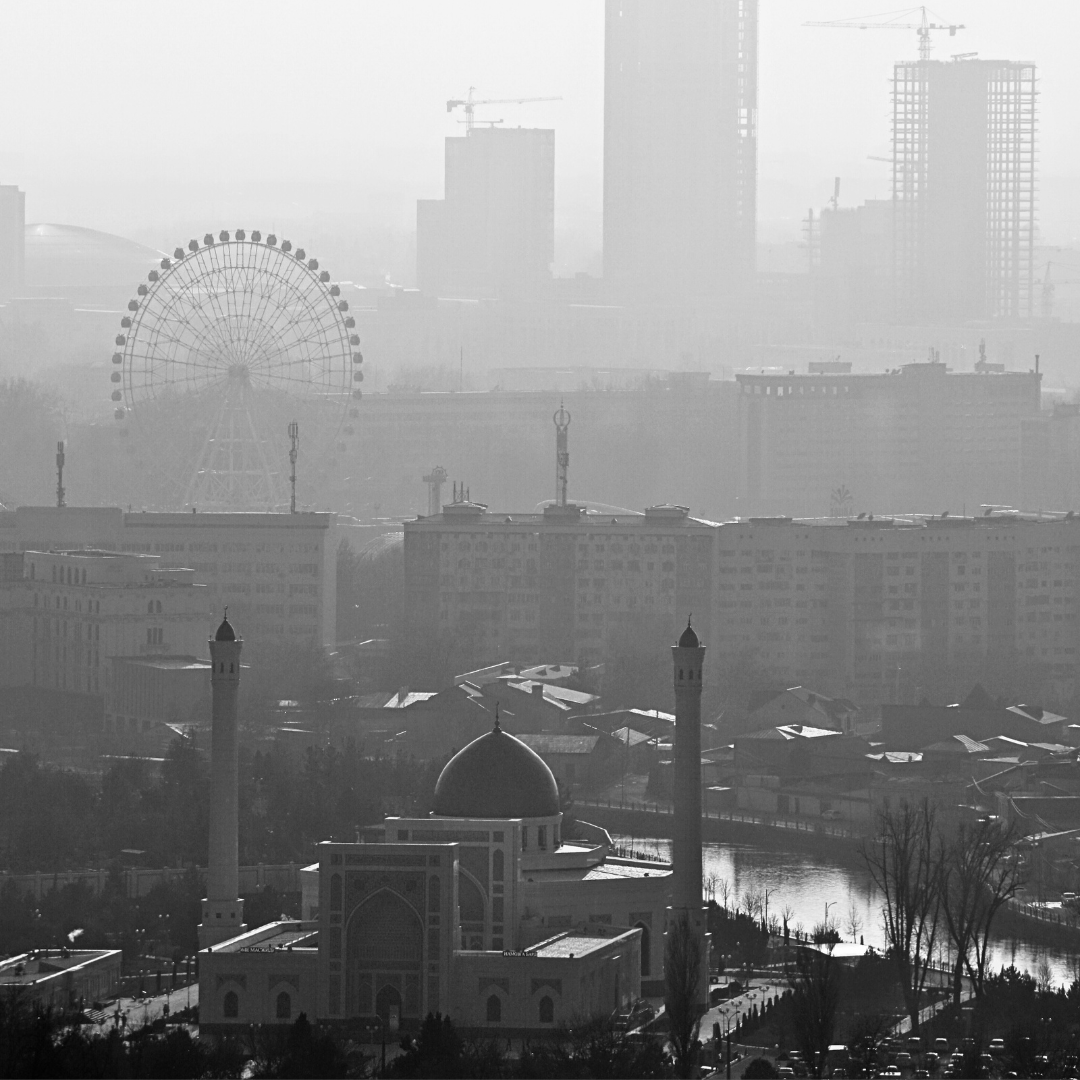
As “the global boiling era begins”, according to the UN Secretary-General António Guterres, where does this leave the low-emitting vulnerable countries who are also financially the poorest?
There is a profound resource and wealth asymmetry between climate-vulnerable countries and major CO2 emitters when it comes to coping, adaptation, and mitigation of the surging climate risks.
The world's largest emitters who contribute the lion's share of greenhouse gas emissions are developed countries and large industrial economies — the so-called 'G20' countries, accounting for around 80% of the total emissions. Their historic and ongoing reliance on fossil fuels, intensive agriculture, and energy-intensive industries has accelerated global warming.
Contrast it with Nepal which ranks 114th in carbon dioxide emission with 0.02% of the global share but shares the larger burden — economic and physical consequences.
In fact, Nepal is one of the systemically vulnerable countries to disasters. Between 2000 and 2019, Nepal was one of the most affected by climate change, says German Watch’s 2021 Global Climate Risk Index, ranking in the top 10 with Puerto Rico, Myanmar, Haiti, the Philippines, Mozambique, the Bahamas, Bangladesh, Pakistan, and Thailand.
Somalia, Eritrea, Sudan, Burundi, Papua New Guinea, Mauritania, Yemen, Chad, The Solomon Islands, and The Gambia are also the most vulnerable to climate change, according to the World Economic Forum. While other reports have South Asian countries such as Bangladesh, Afghanistan, and Pakistan on the list including Nepal.
Developing nations of the Global South are the victims of climate change as the development and technological advancement elsewhere have been leading to intense environmental health effects in countries that emit far less carbon compared to wealthy countries.
Climate justice is a necessity of the present.
Read More Stories

Nepal needs to repeat to brand itself
Last year Nepal's goods exports jumped 81.8% to NRs 277.03 billion. That is...

Banking stocks gain momentum as dividend season begins
Dividend announcements by banks and financial institutions (BFIs) for fiscal year 2025/26 have...
Nepal’s challenge of building strong democratic institutions
Over the past few decades, institutional dysfunction and massive dissatisfaction with political establishments...