What we do is costly! Your support will help us dig more stories.
Yes, I'm Interested!Ignorance isn't always bliss | Don't stay foolish.
Keep informed | Read our news and analysis.
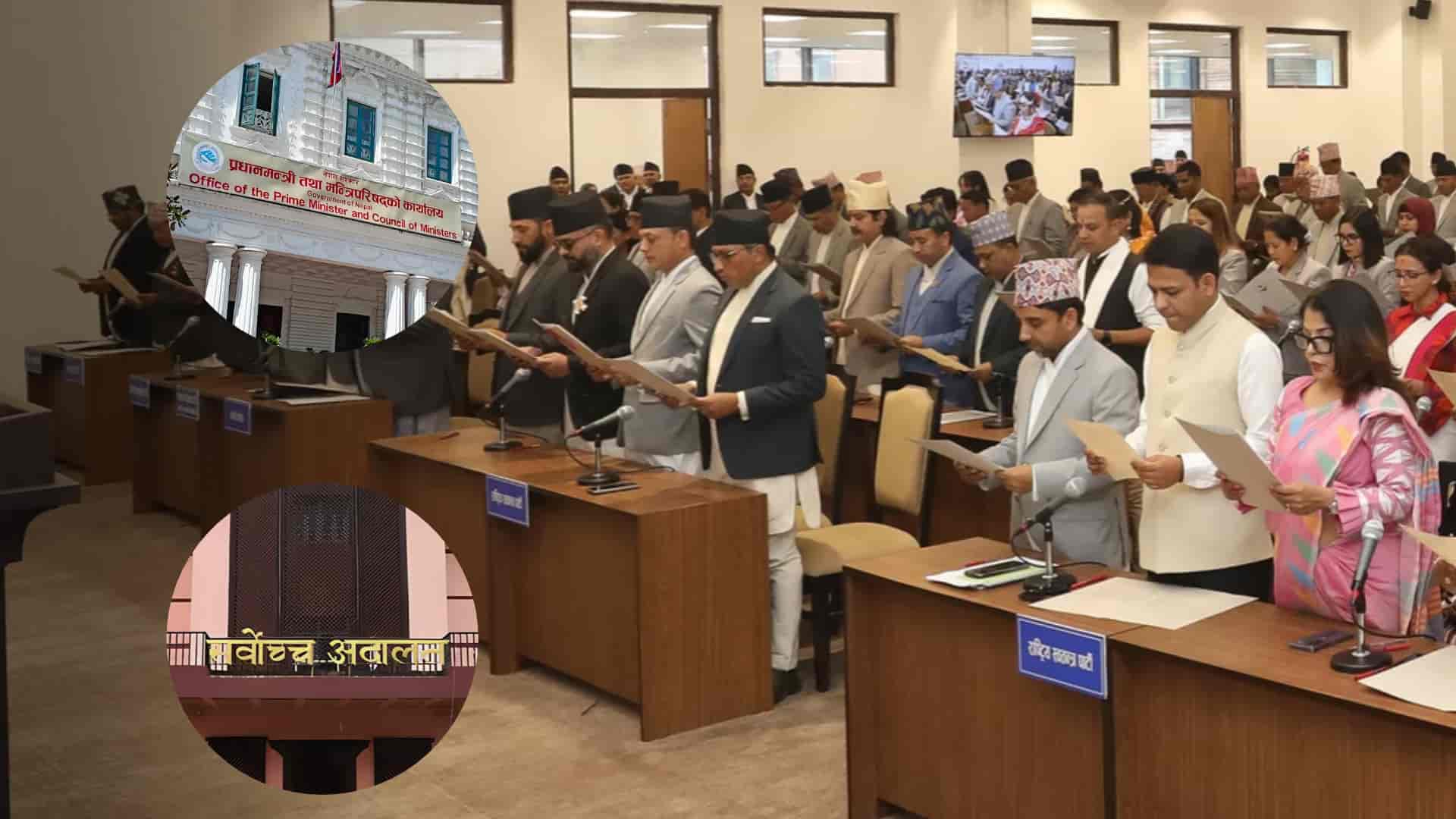
Good institutions require good people
Well-designed laws, courts, catechisms, extrinsic motives, social approval, and even a few good and decent people are of no avail if too many people do not behave like self-respecting and other-respecting adults.
Watch. Listen. Feel.
Short Video Stories. Podcast.
Good institutions require good people
Well-designed laws, courts, catechisms, extrinsic motives, social approval, and even a few good and decent people are of no avail if too many people do …
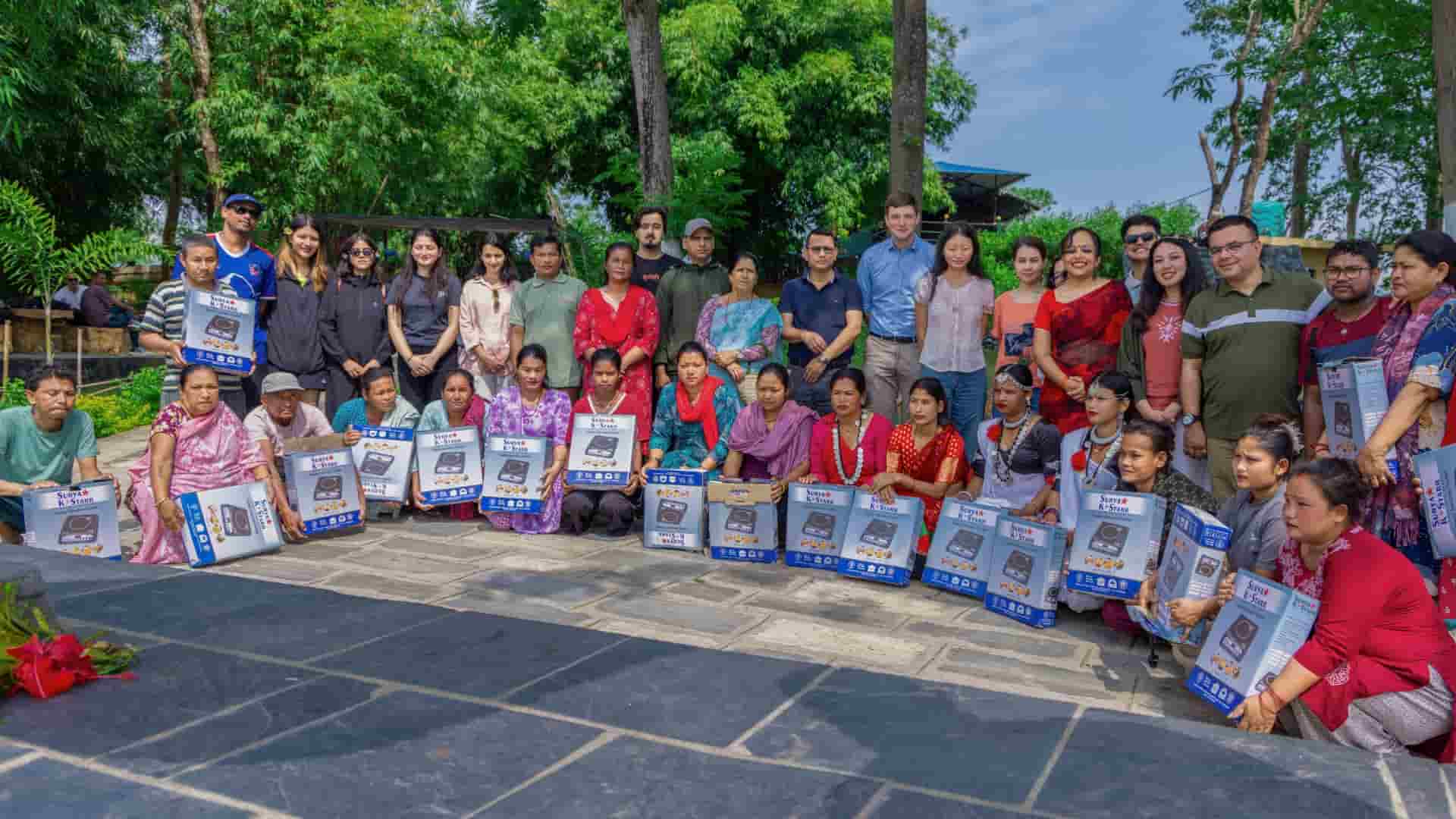
A cleaner, safer way to cook for Chitwan’s Bote community
With 40 electric stoves, a clean cooking initiative is helping a forest-dependent Bote community reduce firewood use, navigate fuel shortages and cope with emerging human-wildlife …
AI’s investment boom may leave behind transformative infrastructure, but mounting debt, speculative financing, and uncertain returns raise the risk of a destabilising bust.
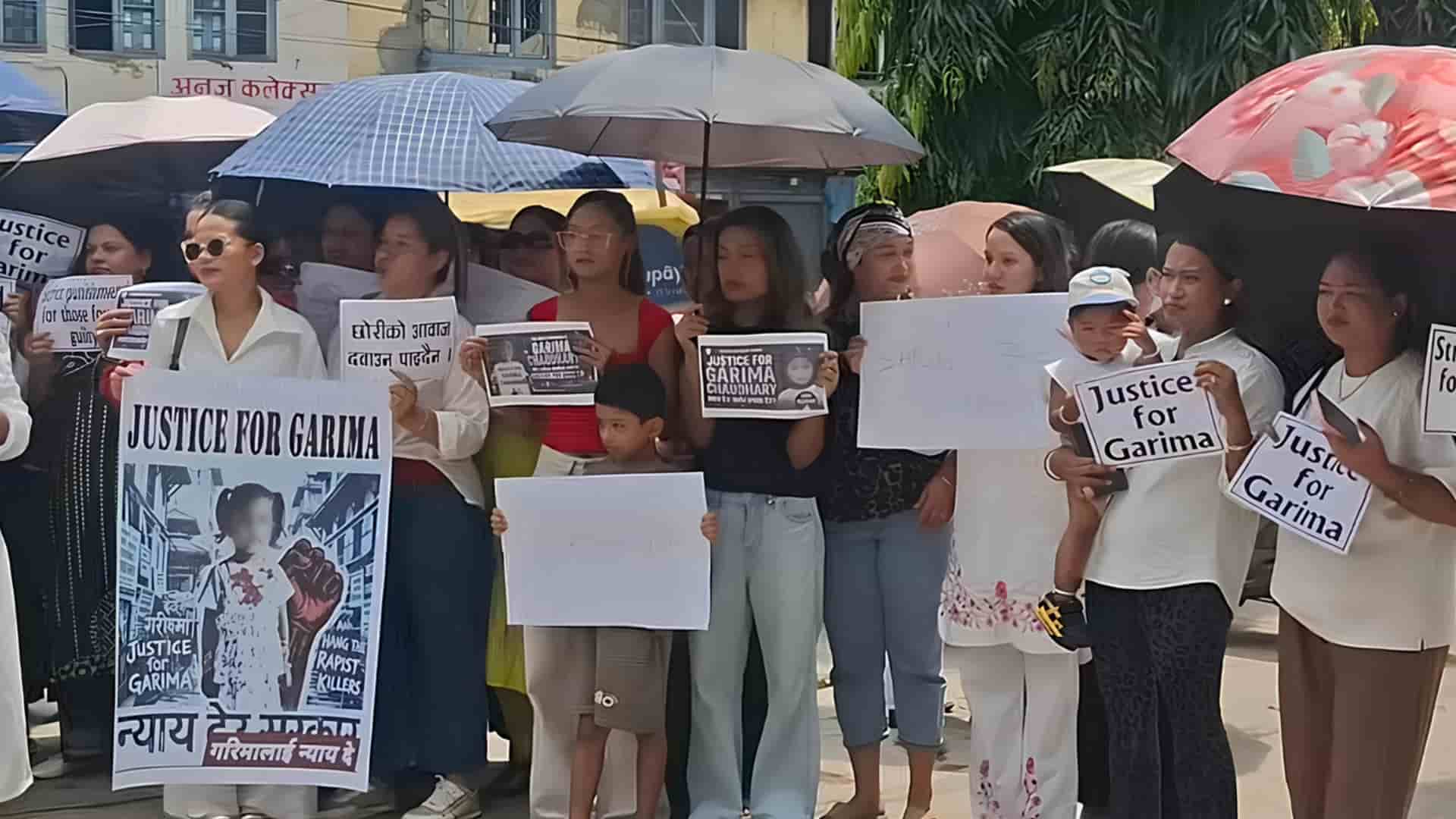
The limits of justice in the shadow of Garima’s death
The killing of three-year-old Garima Chaudhary reignited demands for extreme punishment, but Nepal’s legal framework raises difficult questions about juvenile justice, accountability and the urgent …
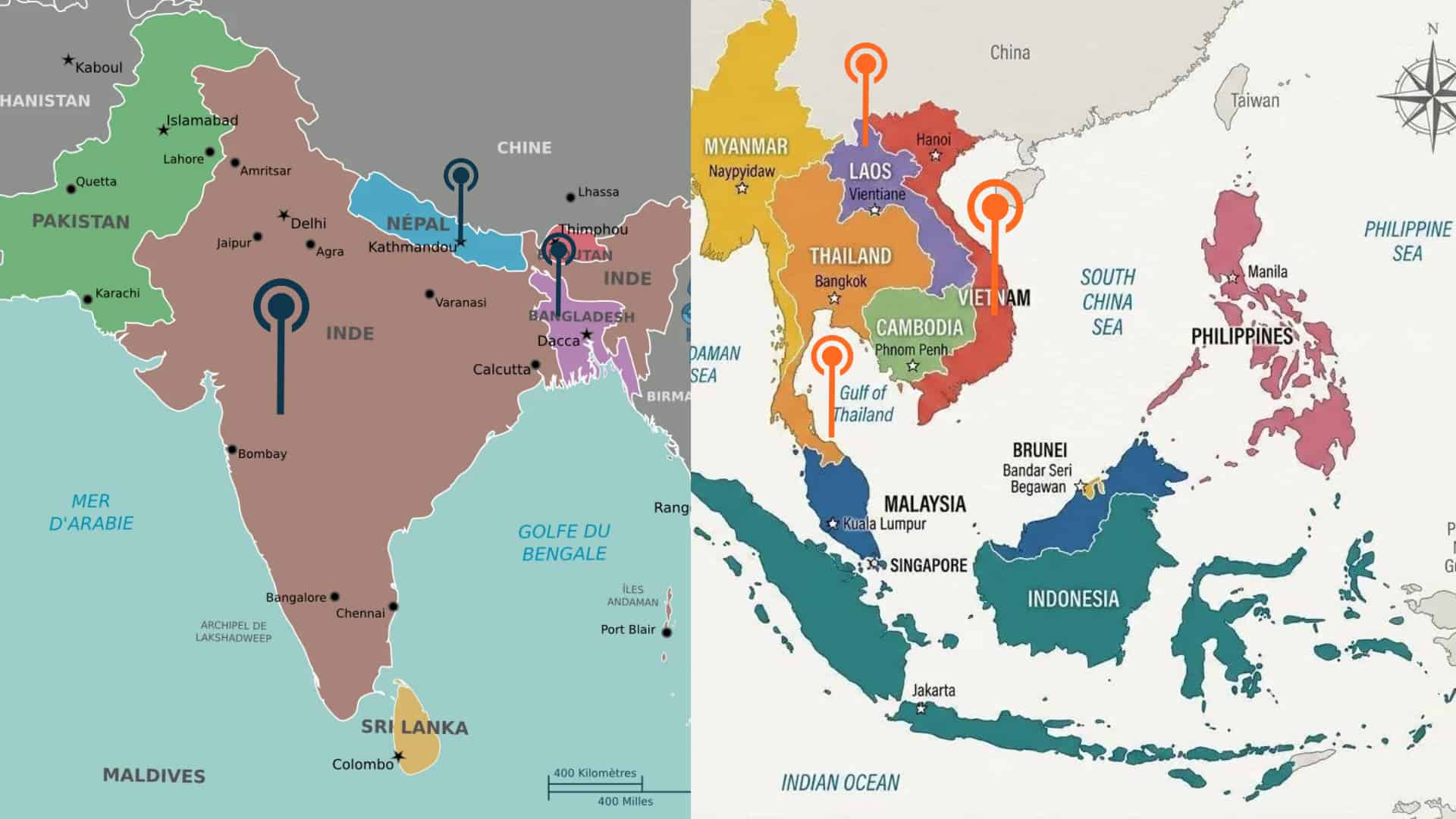
Beyond digital payments: Can South and Southeast Asia build a more inclusive financial corridor?
Interoperable digital payments and local currencies could help ASEAN and South Asia build a more inclusive financial corridor.

Nepal’s challenge of building strong democratic institutions
Despite repeated political transformations and popular uprisings, Nepal continues to struggle to build strong institutions, strengthen state capacity, and translate democratic change into accountable and …
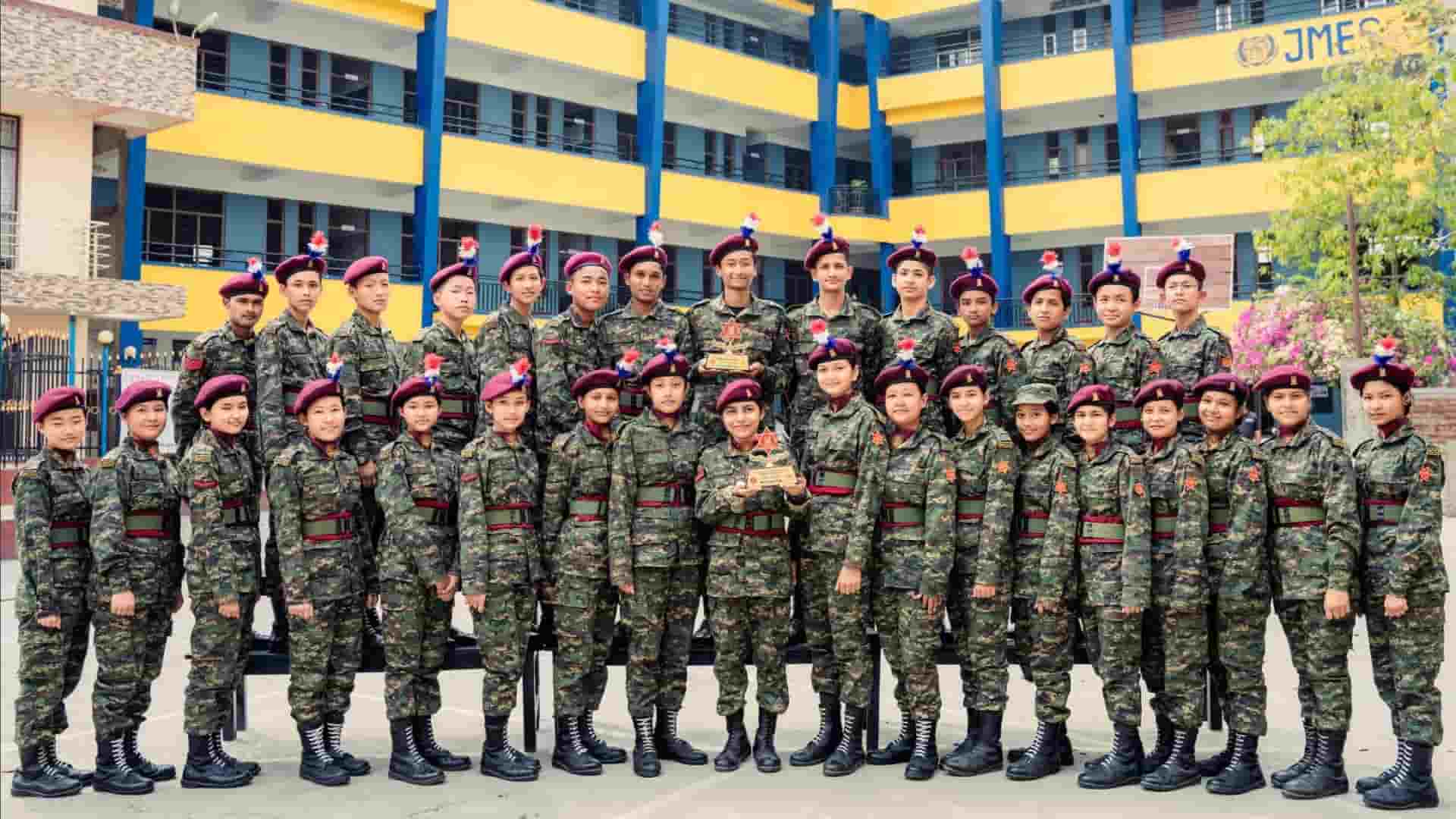
Understanding the National Cadet Corps and its potential
Enacted during the Panchayat era without substantial revision, the old Act limited the NCC to school students only, and provided no clear legal authority to …

Sino-American stability without trust
What both sides seem to agree on is that regular leader-level communication is the only dependable safeguard against accidental escalation.
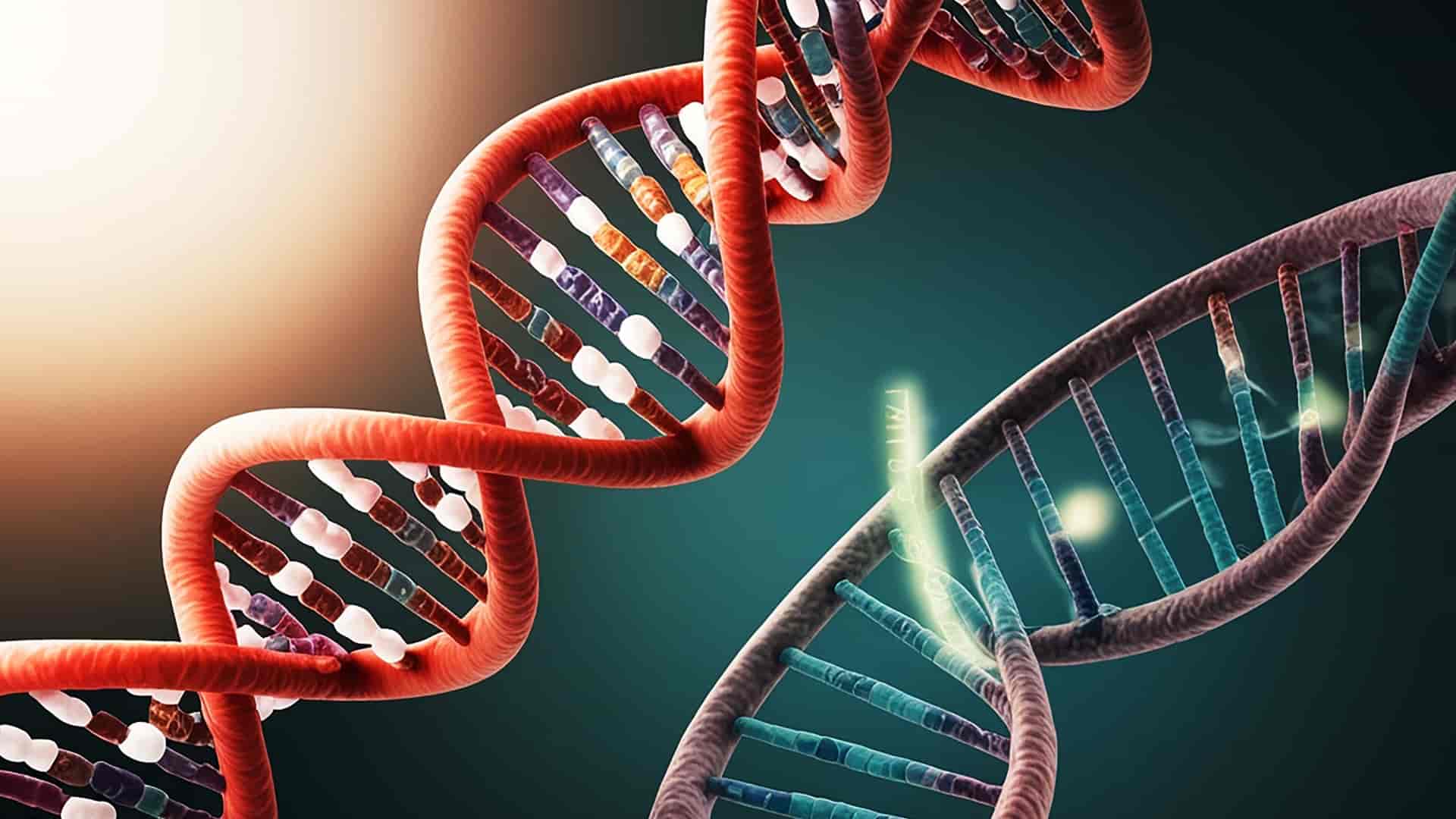
What is a ‘cancer gene’? How genetic mutations lead to cancer
Accumulated DNA mutations from ageing or exposure to carcinogens such as UV radiation, chemicals, cigarettes and alcohol can drive cells toward cancer.
One in eight cancers are likely caused by an infection worldwide – new study
A virus can (directly or indirectly) change the genes of the cell it infects (the host cell), making that cell more likely to grow out …
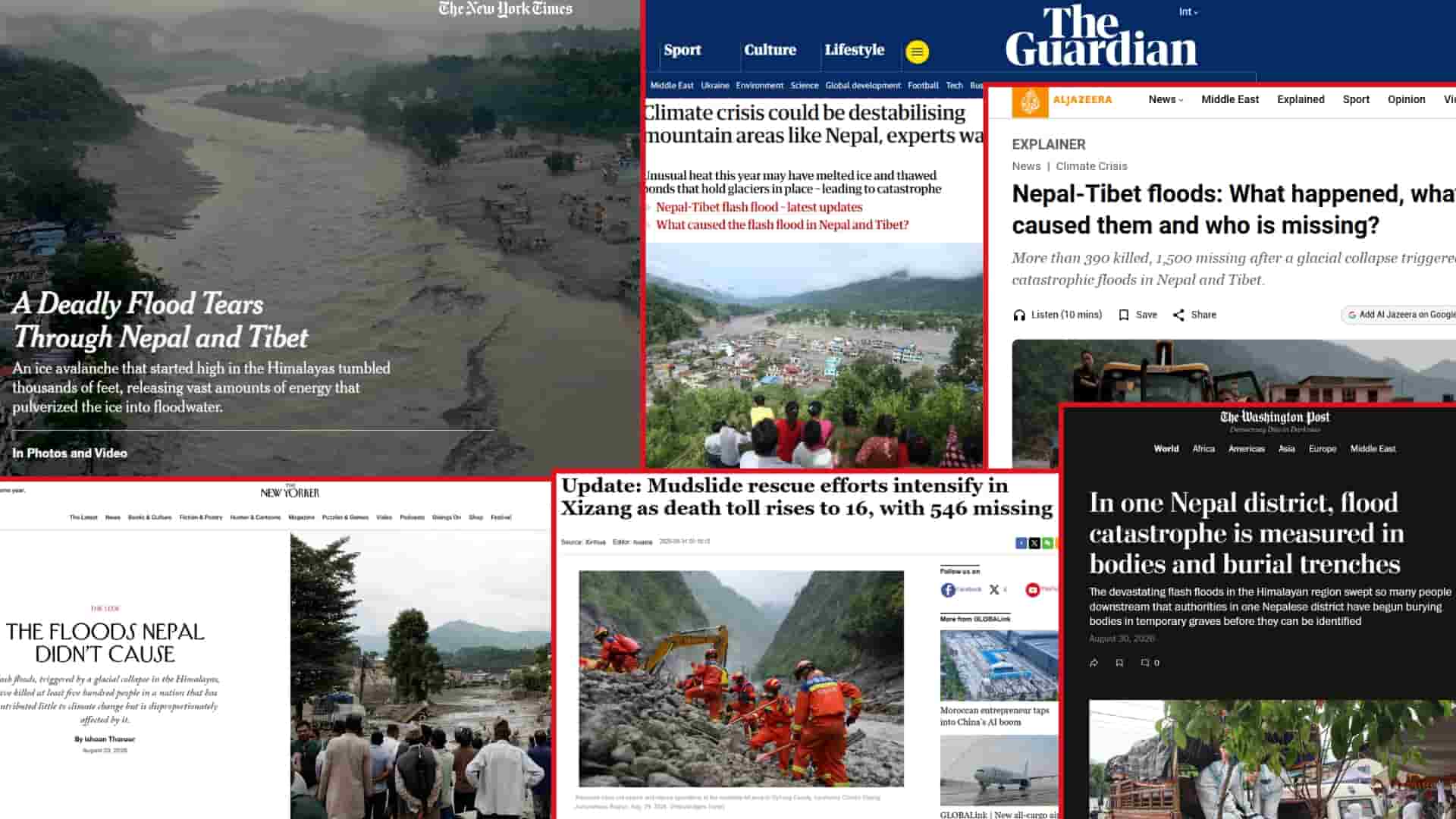
Framing of Bhotekoshi floods in international media
The international media turned Nepal’s Bhotekoshi disaster into a multidimensional, but often stopped short of confronting the climate injustice that leaves countries like Nepal paying …
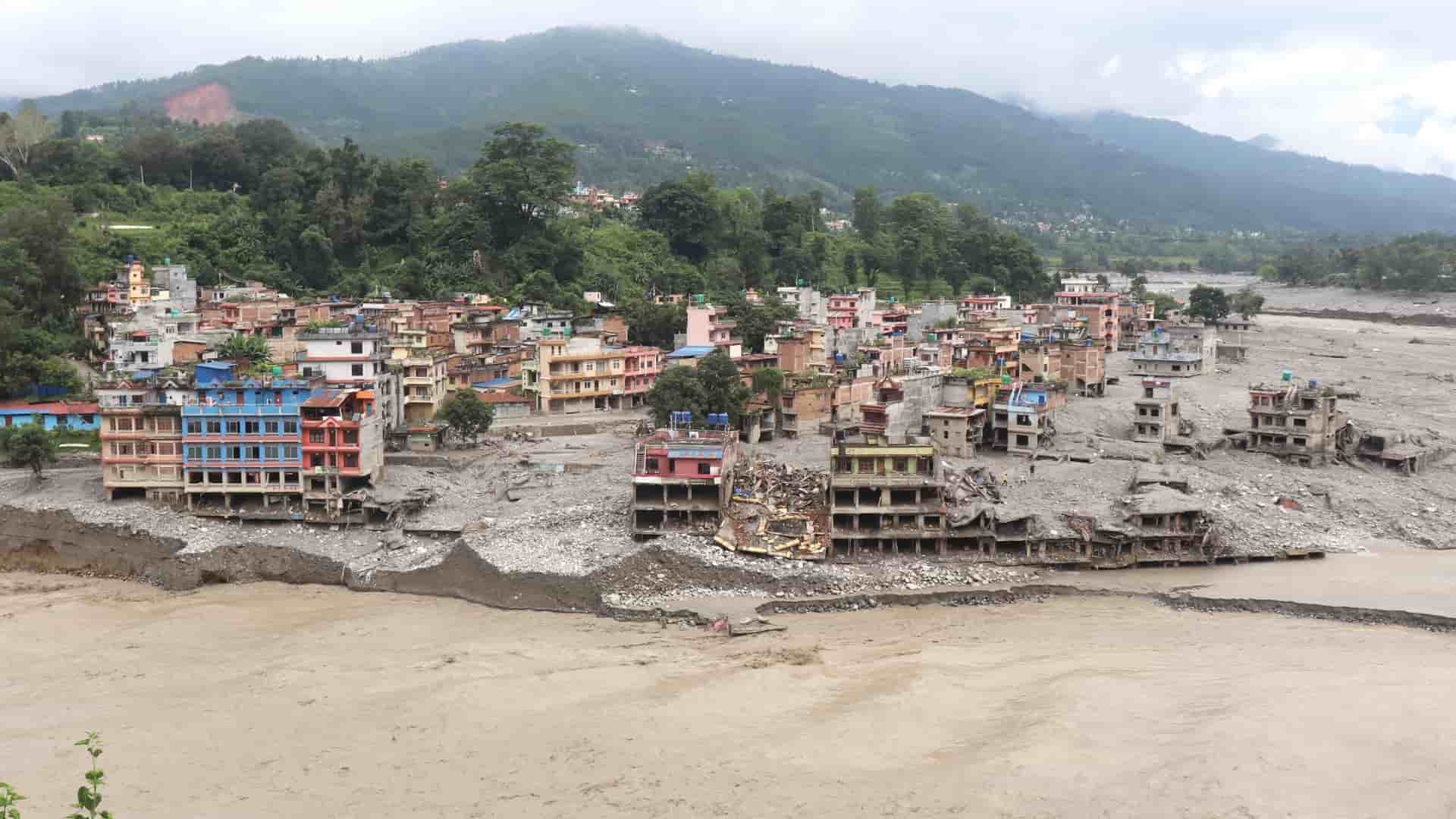
Nepal must move from disaster response to anticipatory resilience
“We cannot prevent every Himalayan hazard. But we can ensure that fewer hazards become disasters.”