What we do is costly! Your support will help us dig more stories.
Yes, I'm Interested!Ignorance isn't always bliss | Don't stay foolish.
Keep informed | Read our news and analysis.
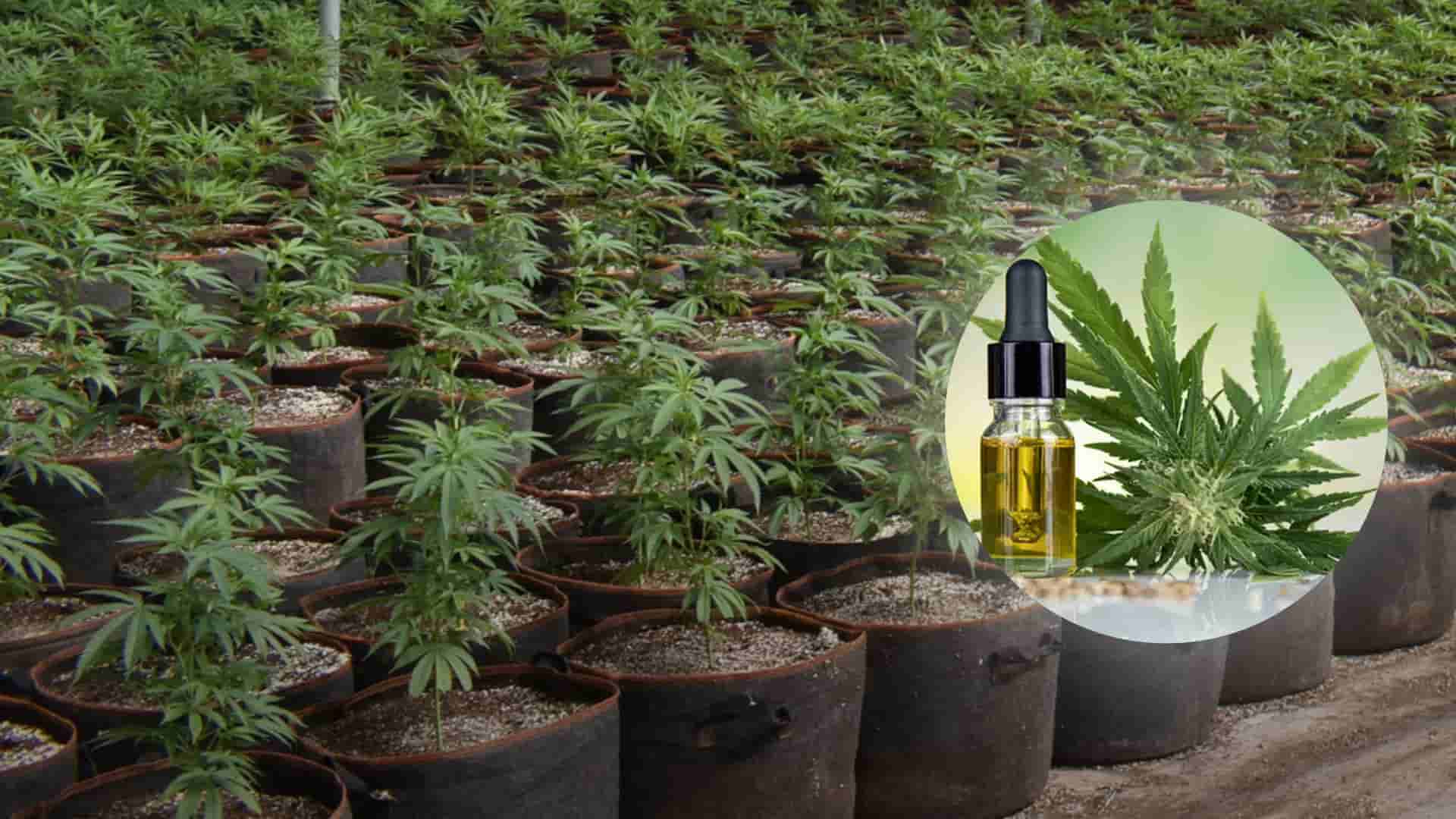
The Supreme Court has directed the government to introduce regulations allowing the controlled cultivation and production of cannabis for medicinal, scientific, agricultural and industrial purposes within three months.
A joint bench of Justices Nahakul Subedi and Til Prasad Shrestha issued the mandamus order on May 18, 2025 (Jestha 4, 2082), directing the government to formulate the necessary rules, standards and procedures for implementing the Narcotic Drugs (Control) Act, 1976.
The full text of the verdict was made public recently after court records were reportedly lost in a fire at the Supreme Court during the mob violence on September 9, 2025.
The court has instructed the government to establish a licensing system for the cultivation, production, processing, storage, use, sale, distribution, import and export of cannabis for approved purposes. It has also called for strict monitoring and regulatory mechanisms to prevent illegal cultivation, production and trade.
Read also:
Gandaki legalises cannabis cultivation for medicinal and industrial use
Cannabis in Nepal: In between legal lacuna
In its ruling, the court observed that the existing Narcotic Drugs (Control) Act, 1976, already provides a legal basis for controlled cannabis cultivation and production for medicinal, scientific and industrial purposes. However, the government’s failure to introduce the necessary implementing regulations has prevented these provisions from being put into practice.
The court also highlighted cannabis’s traditional medicinal use in Nepal and other Eastern societies, as well as its potential for industrial applications, including the production of medicines, textiles, paper and oil.
Citing international developments, the Supreme Court referred to the 2020 decision by the United Nations Commission on Narcotic Drugs to remove cannabis from Schedule IV of the 1961 Single Convention on Narcotic Drugs. The ruling also examined regulatory practices in countries such as Canada, the United States, New Zealand and India.
Canada introduced its Cannabis Act in 2018 to regulate cannabis for medicinal and other purposes, while India's narcotics legislation allows cultivation under certain conditions for industrial and horticultural uses.
In August, Gandaki Province also legalised cannabis cultivation for medicinal and industrial purposes, allowing eligible farmers and businesses to grow it under government regulations while prohibiting its use as a narcotic substance.
The Supreme Court has also made clear that its order does not legalise recreational cannabis use. It noted that unrestricted consumption could have adverse health and social consequences and stressed the need for strict regulation and supervision.
Additionally, the court urged the government to consult experts and relevant stakeholders and consider Nepal's social, economic and cultural circumstances before considering any legal changes concerning recreational cannabis use.
The case was filed by advocate Saroj Adhikari and others, seeking legal provisions for the cultivation and regulation of cannabis in Nepal. The petition named the Office of the Prime Minister and Council of Ministers, the Ministry of Home Affairs, the Ministry of Agriculture and other government agencies as defendants.
The ruling comes amid growing discussions about the medicinal and economic potential of cannabis in Nepal. The court also referred to ongoing research by the Policy Research Institute (PRI) and the Nepal Health Research Council (NHRC) on the medicinal and industrial applications of cannabis.
With the latest order, the government is now required to establish the legal and regulatory framework within three months of receiving the court's order. Until the necessary rules are introduced, the existing restrictions on unauthorised cannabis cultivation, trade and recreational use remain in force.
Read More Stories
Four decades of pollution, another promise to revive Sirsiya River
SIRSIYA, RIVER, POLLUTION. If you come across these three keywords in the same...
A cleaner, safer way to cook for Chitwan’s Bote community
For the Bote community of Patihani in Chitwan, collecting firewood has long been...

Friday evening democracy: When the state acts and the courts go home
The police arrived at newsrooms on Friday afternoon. They searched offices, questioned journalists...