What we do is costly! Your support will help us dig more stories.
Yes, I'm Interested!Ignorance isn't always bliss | Don't stay foolish.
Keep informed | Read our news and analysis.
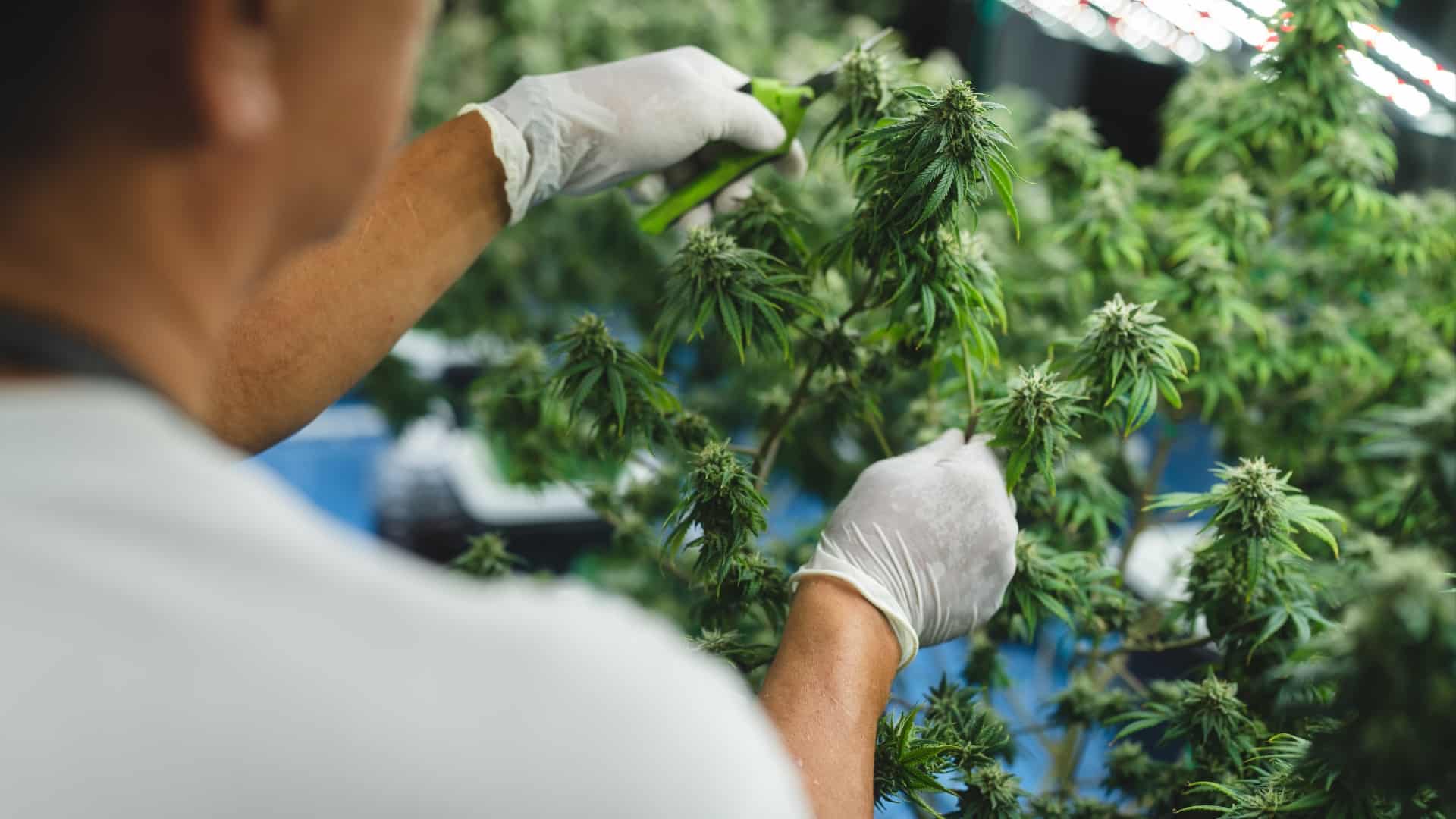
Gandaki Province has formally legalised cannabis cultivation for medicinal and industrial purposes after Province Chief Dilli Raj Bhatta authenticated the Bill on Regulation of Cannabis Cultivation for Medicinal and Industrial Purposes on Monday.
The new law allows farmers and commercial firms that meet government-set criteria to legally cultivate cannabis for producing medicinal products and industrial raw materials. However, the law strictly prohibits the production or misuse of cannabis as a narcotic substance. Any part of the plant that can be used as an intoxicant must be destroyed under the supervision of authorised officials.
The legislation introduces a regulated licensing system. Farmers and companies must obtain prior approval before starting cultivation and disclose the proposed cultivation area, purpose, and expected production volume. Cannabis cultivation on less than two ropanis of land will not be permitted.
Applicants must receive recommendations from their local governments and prepare the required infrastructure before receiving final cultivation approval. They must also submit agreements with pharmaceutical or industrial companies to ensure that the harvested cannabis products have a confirmed buyer.
Read also: Cannabis in Nepal: In between legal lacuna
The law requires applicants to declare that they have not been convicted of any drug-related offence in the past 10 years. Individuals convicted of narcotics-related crimes will not be eligible to cultivate cannabis.
Farmers must notify designated inspectors before harvesting. Cutting of mature plants and collection of crops can only take place after on-site monitoring by inspectors, with official records prepared during the process.
The move makes Gandaki the country’s first province to create a specific legal framework for regulated cannabis cultivation, despite ongoing national-level debate over cannabis policy.
What’s in the regulatory framework
To oversee cannabis cultivation, the provincial government will establish a provincial-level directive committee chaired by the Chief Minister. The committee will include ministers responsible for agriculture, health, industry and forests, along with senior government officials, the provincial police chief and a member-secretary.
A Cannabis Cultivation Regulation and Management Unit will be created under the Ministry of Internal Affairs and Law. Officials at the seventh level will be designated as inspectors, and the province may request Nepal Police officers for additional monitoring responsibilities.
At the local level, monitoring committees led by ward chairpersons will supervise cultivation activities. These committees will include representatives from local police offices, municipal agriculture sections, farmers and community representatives.
Harvested cannabis products intended for medicinal or industrial use must be sealed by inspectors before transportation or sale. Any narcotic-use components must be destroyed, with official records maintained.
Violations of the provincial law may result in fines ranging from NRs 50,000 to NRs 500,000, depending on the nature of the offence. The province may also ban cannabis varieties considered harmful to human health, and income generated from cannabis farming will be subject to agricultural income taxation.
Alongside opening the door for commercial cannabis cultivation, Gandaki’s new law also includes measures to address potential social risks linked to increased availability of cannabis.
The legislation requires the provincial government to establish and operate rehabilitation centres with medical services for people affected by drug addiction, including cannabis dependency.
While the legalisation of cannabis is a welcome economic opportunity, many see that weak regulation could increase drug misuse and create new public health challenges.
Gandaki defends the law amid federal legal concerns
The law faced constitutional uncertainty after Province Chief Bhatta initially returned the bill to the Provincial Assembly for reconsideration, citing possible conflicts with Nepal’s federal Narcotic Drugs (Control) Act, 2033 and questions over provincial authority.
The bill had originally been passed by the Gandaki Provincial Assembly on July 9. After being returned, Industry, Commerce and Tourism Minister Yasoda Rimal tabled the proposal at the assembly, which passed it again without amendments with lawmakers from both the ruling coalition and opposition unanimously approving it. It was later authenticated under Article 201(4) of the Constitution.
However, concerns over the compatibility with existing laws remain due to the federal Narcotic Drugs (Control) Act, 2033, which currently restricts cannabis cultivation, and Nepal’s commitments under international drug control conventions.
Gandaki officials, however, maintain that the law is within the province’s constitutional authority over agriculture and is designed only for medicinal and industrial use. They argue that regulated production does not conflict with narcotics control measures. The said inconsistency has raised the possibility of a constitutional or judicial challenge in the future.
The province had announced plans to bring cannabis cultivation under a legal framework through its budget and policy programmes for the upcoming fiscal year 2026/27. Presenting the principles and priorities of the Appropriation Bill 2083, Economic Affairs Minister Jeet Sherchan said the province would legalise cannabis cultivation from the next fiscal year.
The provincial government’s annual policy and programme stated that cannabis cultivation would be allowed only for medicinal and industrial purposes, with necessary regulatory laws to be implemented to oversee the sector.
Alongside cannabis regulation, Gandaki also announced plans to bring traditional homemade liquor production and branding within a legal framework. The province said it would implement the existing law on production, branding, distribution and regulation of homemade liquor to support its formalisation.
Read More Stories
Why IPPAN opposes SEBON’s proposed IPO rules
The Independent Power Producers Association, Nepal (IPPAN) has urged the Securities Board of...

Market climbs by 4.12 points, turnover amounts NRs 4.68 billion
The Nepal Stock Exchange (NEPSE) climbed by 4.12 points (0.16%) to close at...

Junior PHP Developer (WordPress & Divi) – Internship / Entry Level
A small, new digital agency looking for a motivated junior developer to join...