What we do is costly! Your support will help us dig more stories.
Yes, I'm Interested!Ignorance isn't always bliss | Don't stay foolish.
Keep informed | Read our news and analysis.
FITCH | SOVEREIGN CREDIT RATING | SEPTEMBER PROTEST | ECONOMIC AND POLITICAL DISRUPTION
Nepal has retained its sovereign credit rating of ‘BB-’ with a stable outlook in the second year of its rating from the international agency Fitch Ratings, which concluded that the recent protests, followed by political uncertainty, have not affected fiscal balance or external buffers.
The latest rating underscores the agency’s view that Nepal’s longstanding political volatility was already embedded in its past credit profile, and that the unrest did not materially change the underlying risk.
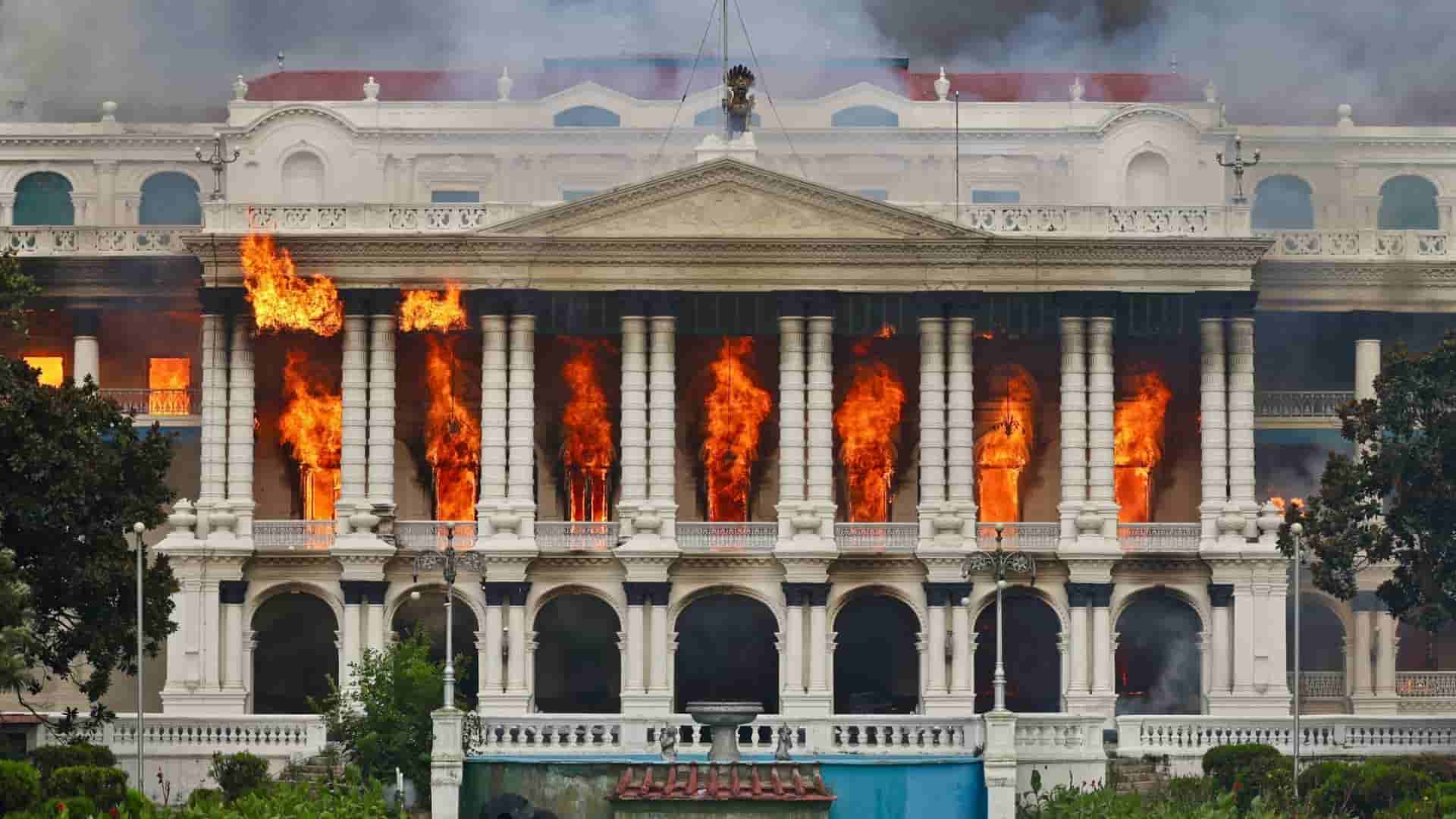
The September protests triggered by the suspension of social media operations dampened business operations and investors’ confidence after arson and mob violence in major parts of the country. Preliminary government estimates put the direct damage at NRs 80 billion.
Yet Fitch emphasised that these disturbances have not undermined Nepal’s macroeconomic fundamentals, as strong reserves, concessional debts, and steady remittances still outweigh its political risks. However, it warns, “delays in the political transition and a more fragmented party landscape could undermine policymaking effectiveness and further weaken governance standards.”
The federal debt-to-GDP ratio is projected to be 46.1% in FY 2025/26, below the BB median of 54.5%. Meanwhile, the government-guaranteed debt (loans and borrowings undertaken by state-owned enterprises backed by a government promise to repay if borrowers default) remains minimal at roughly 1% of its GDP.
Notably, Nepal’s external debt is highly concessional, with an average maturity of 13 years and an average interest rate of about 1%, which supports fiscal sustainability.
Nepal’s foreign exchange reserves remain robust at over $21.21 billion, covering nearly 16.4 months of prospective import of goods and services, well above the ‘BB’ margin of 4.8 months.
However, after the protest, fiscal pressures are expected to rise sharply due to higher government spending on reconstruction and elections. The federal deficit is projected at 3.5% of GDP in FY 2026, compared with 1.7% in FY 2025 and a BB median of 3.0%.
Fitch forecasts real GDP growth of 2.5% in FY26, down from 4.6% in FY25, citing disruptions from the unrest, weaker business sentiment, depressed private investment, and agricultural losses caused by erratic rains and flooding. Nonetheless, major infrastructure projects, particularly in hydropower, continue without significant disruption, supporting medium-term growth prospects.
Financial-sector vulnerabilities remain a concern. Non-performing loans in banks rose to 5.2% of gross loans in 2024/25, up from 3.7% the previous year, while domestic reinsurers face exposure to significant insurance claims resulting from the unrest. Fitch also flagged the potential for political instability to undermine governance standards, though the IMF-supported fiscal and monetary framework has so far provided resilience.
The agency’s Sovereign Rating Model, complemented by a qualitative overlay, lowered Nepal’s score by one notch on the rating scale for participating in the Debt Service Suspension Initiative. Fitch clarified that this reflects a non-material reset rather than a weakening of debt-servicing capacity.
ESG considerations, particularly political stability, governance quality, and creditors' rights, were already embedded into last year’s rating, which had accounted for Nepal’s recurring political friction. This is reflected in the country’s consistent position in the 34th percentile in the World Bank Development Indicators.
Read More Stories

Nepal needs to repeat to brand itself
Last year Nepal's goods exports jumped 81.8% to NRs 277.03 billion. That is...

Banking stocks gain momentum as dividend season begins
Dividend announcements by banks and financial institutions (BFIs) for fiscal year 2025/26 have...
Nepal’s challenge of building strong democratic institutions
Over the past few decades, institutional dysfunction and massive dissatisfaction with political establishments...