What we do is costly! Your support will help us dig more stories.
Yes, I'm Interested!Ignorance isn't always bliss | Don't stay foolish.
Keep informed | Read our news and analysis.
West Asia Tensions | Saudi Arabia | Yemen | Houthi Armed Group | Oil Markets
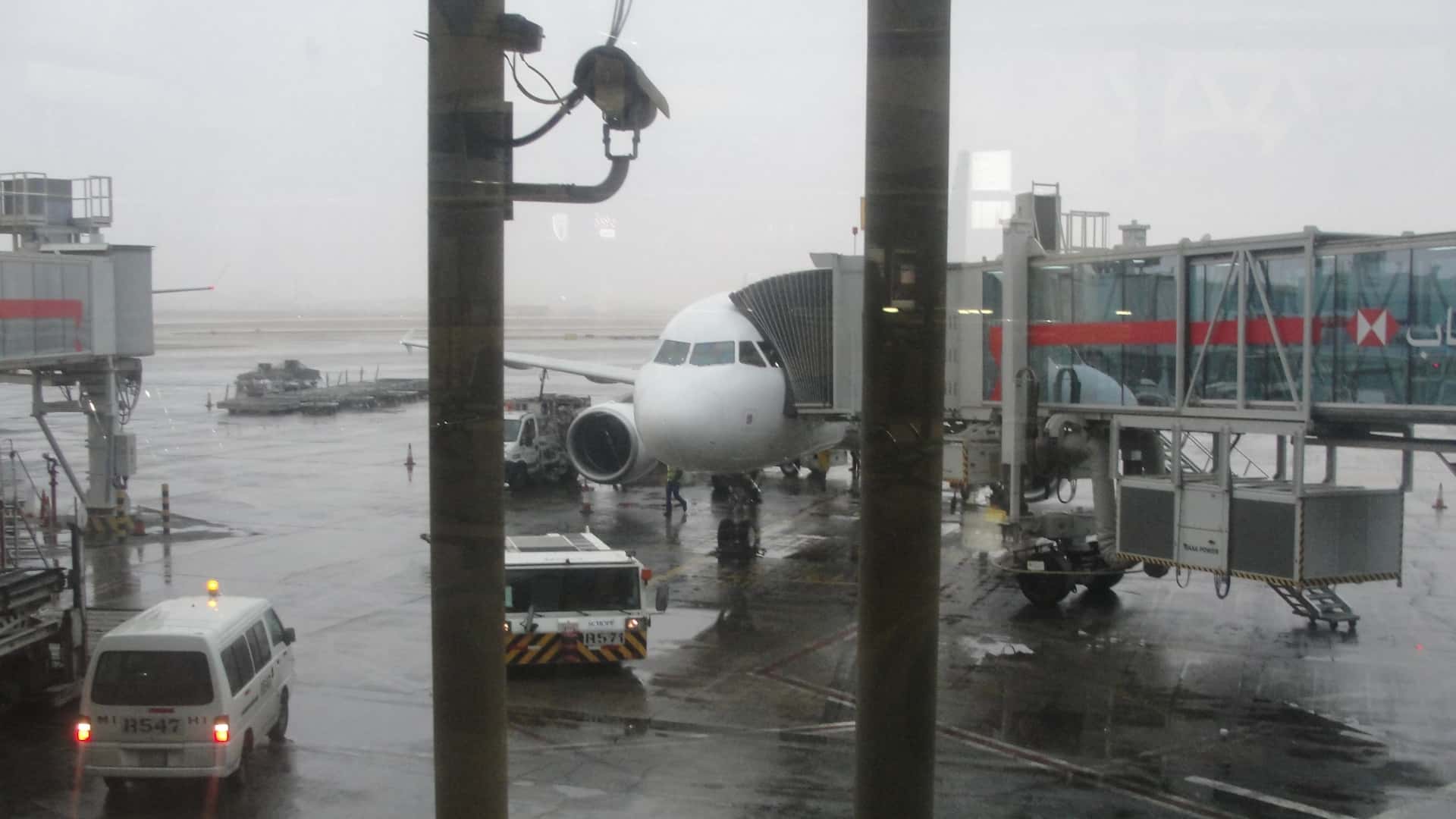
Yemen’s renewed military offensive against Houthi rebels has escalated into a wider regional crisis, with repeated attacks on Saudi Arabia killing civilians, disrupting air travel and raising fears of further instability across West Asia. The escalation comes as fighting intensifies around the Red Sea coast, commercial vessels face fresh threats, and Saudi Arabia and Iran open a diplomatic channel to contain regional tensions.
The latest violence follows an October 4 announcement by Yemen’s internationally recognised government of a major military operation to retake territory held by the Houthis, who control the capital, Sanaa, and much of northern Yemen.
The offensive comes after the Houthis made territorial gains around the Red Sea coast, including the port of Mocha and the strategic island of Mayun, according to reports. Fighting has intensified around Taiz and areas near the Bab al-Mandeb Strait, a key maritime passage connecting the Red Sea with the Gulf of Aden.
The Houthis have responded with missile and drone attacks on Saudi territory, including repeated strikes on Riyadh’s King Khalid International Airport. The attacks have prompted Saudi Arabia to threaten retaliation and drawn condemnation from regional powers.
A strike on Riyadh airport on October 10 killed 13 people and injured more than 300, according to reports. A further attack the following day killed one person, a Pakistani national, and injured 11 others, Saudi authorities said.
The Saudi-led coalition in Yemen reported that an unidentified projectile struck Terminal 4 during the second attack, causing a fire. Saudi air defences also intercepted missiles and drones during the escalation.
Houthi military spokesperson Yahya Saree said the group was responsible for the October 10 attack and announced further strikes targeting Dammam’s King Fahd International Airport in Saudi Arabia’s Eastern Province and two facilities belonging to state oil company Saudi Aramco.
Saudi authorities subsequently confirmed an attack on Dammam airport. The full extent of damage to the oil facilities remained unclear. The Houthis also warned airlines, airport workers and travellers against using Saudi airports and airspace, threatening further attacks as the military campaign in Yemen continued.
The attacks have severely disrupted aviation. Reuters reported that 99.7% of scheduled flights at Riyadh airport were cancelled on Sunday, with around 60% expected to be cancelled on Monday. More than a third of flights across Saudi Arabia were also expected not to operate.
Several international airlines suspended services. Lufthansa halted flights to Riyadh until October 16, while Air France-KLM extended its suspension through the end of October. The US Federal Aviation Administration advised American airlines to exercise caution when flying to or over Saudi Arabia.
Businesses and schools in Riyadh shifted operations online amid security concerns. The attacks also disrupted a major energy industry gathering in the Saudi capital, with several senior international oil executives withdrawing from the event.
Saudi Arabia has threatened retaliation. The Saudi-led coalition has reported strikes against Houthi military positions along Yemen’s Red Sea coast, including weapons depots and facilities allegedly used to store explosive boats and naval mines. The coalition has also said it thwarted a planned maritime attack. Claims about the number of targets destroyed and fighters killed have not been independently verified.
Saudi Arabia, Turkey, Pakistan and Egypt jointly condemned the attacks on Riyadh airport on October 12. Turkey and Pakistan have discussed implementing defence commitments under a pact signed with Saudi Arabia in August. Turkish Foreign Minister Hakan Fidan has ruled out sending troops for offensive operations, while indicating that support could include defensive and technical assistance.
Airstrikes hit Sanaa
The fighting has also brought fresh violence to the Yemeni capital. Airstrikes hit two districts of Sanaa around midnight on October 12, killing one person and injuring 12, according to the Houthi-run Health Ministry.
Ministry spokesperson Anees al-Asbahi said one strike hit a salt factory in Hamadan district, killing a man and injuring eight people. A separate strike on a house injured a woman and three children.
Houthi authorities blamed Saudi Arabia for the strikes. Saudi Arabia had not immediately responded to the allegation, and responsibility for the attacks remained unconfirmed in the latest reporting.
Shipping and energy risks grow
The renewed fighting has intensified concerns over the Bab al-Mandeb Strait, a narrow passage connecting the Red Sea with the Gulf of Aden. The waterway is a major route for international trade between Europe and Asia through the Suez Canal. A sustained disruption could force ships to take longer routes around southern Africa, increasing transit times and freight costs.
Reports of explosions near a commercial vessel off Yemen have heightened maritime security concerns, although details of that incident remain limited. The risks around Bab al-Mandeb are separate from attacks reported in the Strait of Hormuz, where two commercial vessels were hit on October 12.
India’s foreign ministry said two Indian nationals were missing after a drone struck the tanker MT Petro Dolphin near the Strait of Hormuz. A second vessel, MT Valthera, was also hit and caught fire, with no injuries reported. The incidents have added to concerns about commercial shipping amid the wider conflict involving Iran.
Energy markets remain vulnerable to further disruption. Saudi Aramco chief executive Amin Nasser warned earlier this month that global oil stockpiles were dangerously thin, with much of the remaining inventory not readily available. The warning came as governments and energy companies drew on reserves to offset supply disruptions caused by conflicts in West Asia and Ukraine.
Data from commodities analytics firm Kpler showed that West Asian oil exports, excluding Iran, returned to pre-war levels in September, reaching at least 16.5 million barrels a day of crude. Some shipments have been rerouted through pipelines that bypass the Strait of Hormuz. However, recovering export volumes do not eliminate the risk of renewed disruption if attacks hit energy infrastructure or key shipping routes.
Diplomatic efforts continue
Diplomatic contacts have continued despite the escalation. Iranian Foreign Minister Abbas Araghchi spoke by telephone with Saudi Foreign Minister Prince Faisal bin Farhan on October 11 to discuss regional tensions and efforts to reduce them.
Araghchi said Tehran was prepared to help facilitate dialogue between Saudi Arabia and Yemen. The conversation signals a diplomatic opening between the regional rivals, but no ceasefire agreement or formal peace process was announced. The contact also does not establish that Iran directly ordered the attacks on Saudi Arabia.
US President Donald Trump has said he was considering whether the United States should join Saudi strikes against the Houthis. Direct US military involvement could widen the conflict, although no final decision has been reported. The question of intervention against the Houthis remains distinct from Washington’s separate diplomatic exchanges with Tehran over the broader regional war.
Humanitarian toll mounts
The renewed fighting has compounded Yemen’s longstanding humanitarian crisis. The International Organisation for Migration reported that more than 184,000 people had been displaced between August 1 and October 4. Subsequent tracking put cumulative displacement since the escalation began in June at more than 200,000 by October 6.
The United Nations has condemned attacks on civilians and civilian infrastructure. Secretary-General António Guterres condemned the October 10 airport attack and called for such attacks to cease. Continued fighting threatens to displace more civilians, damage infrastructure and further restrict access to essential services.
With the Yemeni government pressing its offensive, the Houthis continuing cross-border attacks and Saudi Arabia threatening retaliation, the risk of a broader confrontation remains high. Whether diplomatic engagement can contain the escalation will depend on the parties’ willingness to halt attacks and reopen a path towards negotiations.
Read More Stories
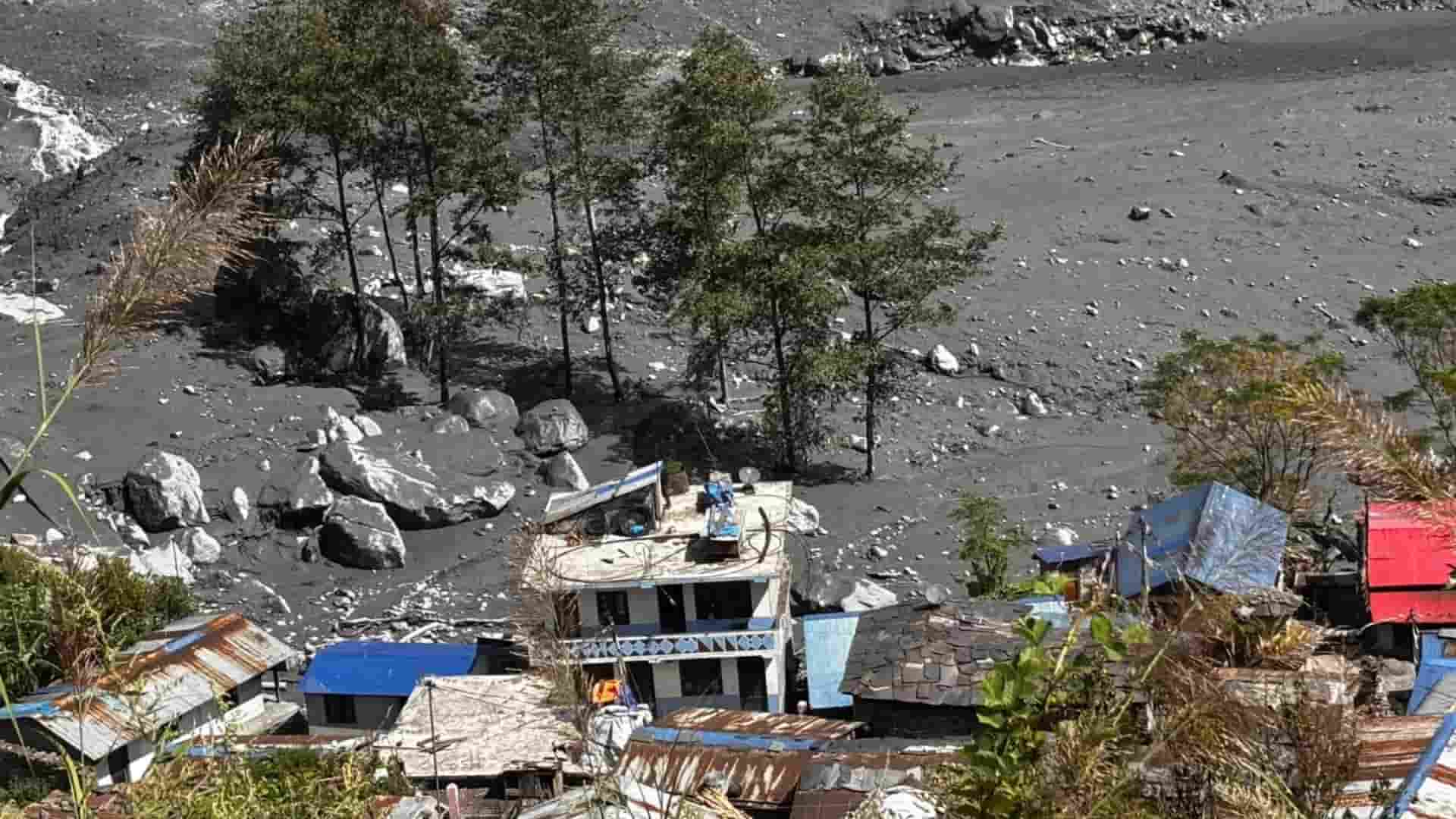
Five missing as Gorkha floods destroy homes, damage bridges
Five people remain missing after a flash flood swept through settlements along the...

India’s voter-roll dispute reaches Supreme Court as opposition challenges election chief
A dispute over voter registration in India reached the Supreme Court on Monday...

Market up by 4.01 points, turnover down to NRs 4.46 billion
The Nepal Stock Exchange (NEPSE) increased by 4.01 points (0.15%) to close at...