What we do is costly! Your support will help us dig more stories.
Yes, I'm Interested!Ignorance isn't always bliss | Don't stay foolish.
Keep informed | Read our news and analysis.
Artificial intelligence could help developing countries achieve years of economic and social progress within a much shorter time, but only if governments first invest in the basics, reliable electricity, internet access, education and digital skills, according to the World Bank’s World Development Report 2026: The Promise of Artificial Intelligence.
The report says AI offers developing economies a rare opportunity at a time when many are facing weak economic growth. Instead of trying to compete with richer countries by building expensive AI models and massive data centres, the World Bank says most developing nations should focus on using existing AI tools and adapting them to local needs.
“AI has thrown developing economies a lifeline, and they should seize it,” said Indermit Gill, Senior Vice President and Chief Economist of the World Bank Group. He added that countries can benefit from smaller, affordable AI solutions designed for local conditions rather than investing in costly frontier technologies.
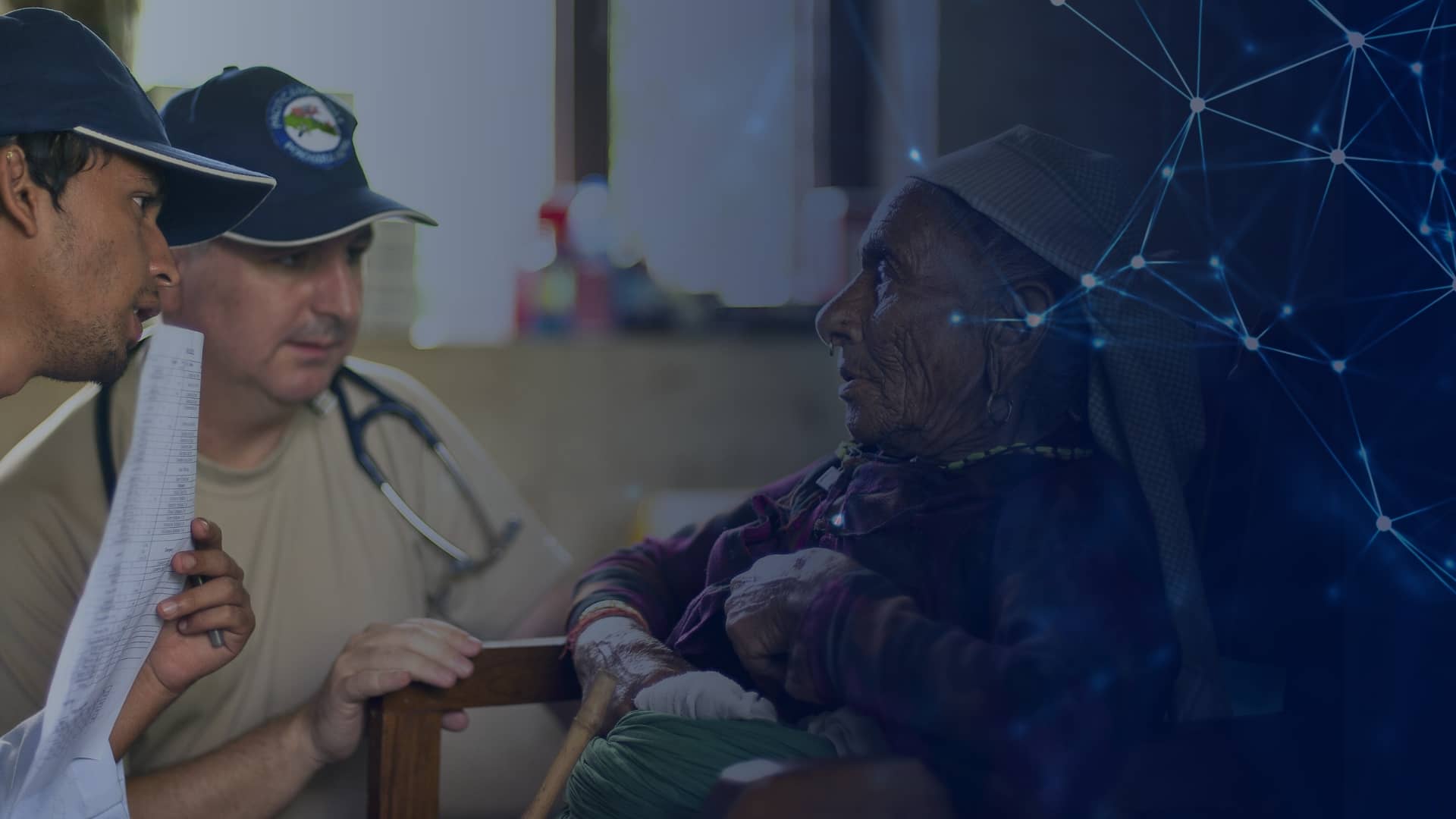
According to the report, AI could help address long-standing shortages of expertise by supporting doctors in diagnosing diseases, helping teachers improve lessons, assisting farmers with crop decisions and weather information, and expanding access to public services.
“Low-cost tools, 'small AI' can put scarce expertise within reach of millions, through text messages, voice calls, basic phones, and other technologies that work even where electricity, computing power, and internet access are limited. The gains are already visible. AI is helping to accelerate medical screening, assisting farmers with more accurate weather forecasts, and aiding teachers in creating better lessons for students,” says the report.
But simply importing AI systems will not be enough. The World Bank says tools must be adapted to local languages, cultures and conditions. In many places, this could mean voice-based AI services for people who lack smartphones, digital skills or literacy.
The report highlights that developing countries have more to gain from AI than to fear. Only about 4.5% of jobs in low and middle-income countries are at significant risk of automation from generative AI, compared with 14.2% in high-income economies. At the same time, around 16.2% of jobs in developing countries could see major productivity improvements through AI, close to the 18.7% expected in wealthier economies.
However, the World Bank warns that AI adoption depends on strong foundations. Many developing countries still struggle with unreliable electricity, limited internet access, weak digital infrastructure, shortages of skilled workers and a lack of local data.
“None of this is possible without first investing in the basics,” the report says.
The situation is particularly challenging in regions such as Sub-Saharan Africa, where many rural schools still lack reliable electricity and internet access. The World Bank said efforts to expand energy access, including its Mission 300 initiative to connect 300 million people in the region by 2030, are essential for creating the conditions needed for digital and AI growth.
The bank also called for greater access to computing power, more local-language data, stronger digital education and policies that help businesses test and scale useful AI solutions. Governments, it said, need better systems to evaluate which AI projects actually deliver results.
At the same time, the report warns that AI could create new problems if introduced without proper safeguards. Risks include widening inequality, spreading misinformation, concentrating power among a small number of technology companies, weakening privacy protections and reducing public trust.
The World Bank urged governments to promote responsible AI use through transparency, international cooperation and clear standards for testing and evaluating AI systems. Where voluntary measures are not enough, existing laws should be used to address risks related to privacy, security and discrimination.
“The window to get this right is narrow,” said Gaurav Nayyar, Director of the World Development Report 2026. He said countries that build strong foundations in power, connectivity, skills and institutions will be better positioned to use AI to improve lives.
The report concludes that AI is unlikely to replace development efforts, but it could become a powerful tool for accelerating them, if countries move quickly to prepare their economies for the technology.
Read More Stories

Nepal needs to repeat to brand itself
Last year Nepal's goods exports jumped 81.8% to NRs 277.03 billion. That is...

Banking stocks gain momentum as dividend season begins
Dividend announcements by banks and financial institutions (BFIs) for fiscal year 2025/26 have...

Nepal’s challenge of building strong democratic institutions
Over the past few decades, institutional dysfunction and massive dissatisfaction with political establishments...