What we do is costly! Your support will help us dig more stories.
Yes, I'm Interested!Ignorance isn't always bliss | Don't stay foolish.
Keep informed | Read our news and analysis.
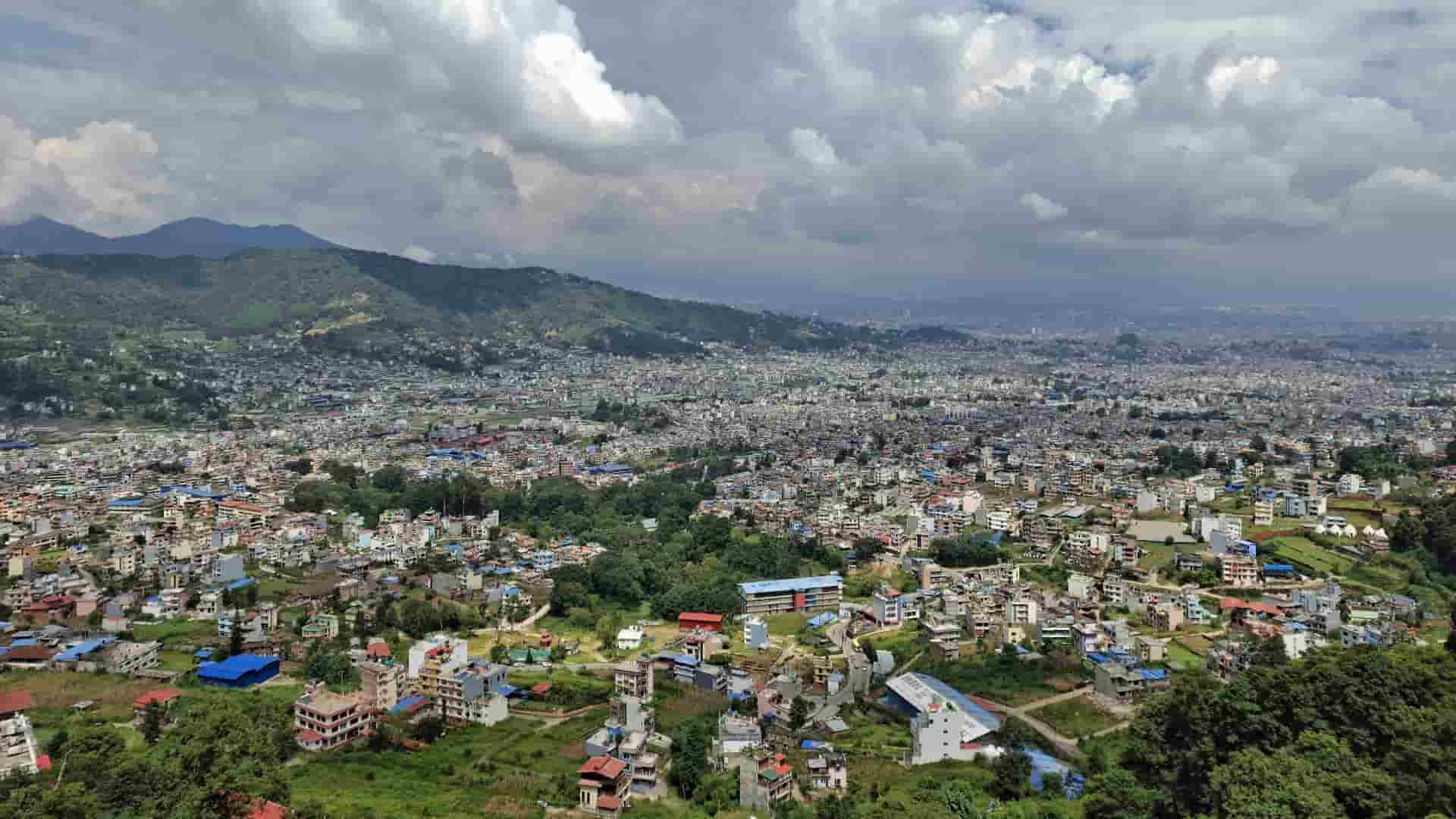
Around 70% of Nepalis struggle to afford housing-related expenses, according to an international study.
The report, Home at What Cost? Global Housing Research 2026, published by Habitat for Humanity International, finds that rising housing costs, safe living conditions, disaster risks and housing security have become major challenges for Nepali families.
According to the report, 70% of respondents in Nepal said they regularly struggle to meet their housing expenses. The global average among respondents facing similar difficulties across the 22 countries surveyed was 34%. Similarly, 70% of Nepali respondents expressed concern that they could lose their current homes if an unexpected problem arose, compared with the global average of 48%.
The report notes that financial pressure related to housing is affecting the health, family life and future plans of Nepali households. Due to housing-related financial difficulties, 28% of respondents said they had delayed or skipped medical treatment. Likewise, 36% said they had postponed necessary home repairs, while 21% reported having to seek food assistance.
The study also found a significant link between housing and mental stress in Nepal. 68% of respondents said their housing situation was one of the biggest sources of stress in their lives, compared with the global average of 35%. Meanwhile, 71% expressed concern about having to leave their current homes within the next year, and the same proportion worried that authorities would not respond promptly if an unsafe incident occurred in their residential areas
The study found that safe housing remains a serious concern in Nepal amid the risks posed by climate change and natural disasters. 72% of respondents said extreme weather made it difficult for them to feel safe where they live. The global average for this concern was just 30%.
Similarly, 70% said extreme weather would make it increasingly difficult to remain in their current homes over the next three years. According to the report, this was the highest proportion among the 22 countries surveyed.
76% of Nepali respondents said poor housing conditions made them feel unsafe. Likewise, 73% said insecure doors, windows or property boundaries made it difficult for them to feel secure in their homes.
The report highlights a growing shortage of affordable housing as property prices continue to rise. 78% of respondents said there was an insufficient supply of affordable homes, while 74% felt existing housing policies did not adequately support first-time homebuyers.
77% believed rising housing costs were making homeownership increasingly difficult. Nevertheless, 71% respondents said they expected to own a home at some point in their lives.
Housing costs were also found to be affecting plans to start a family. 72% of respondents said housing expenses made it difficult to consider starting a family. Among respondents with children, 73% expressed concern that housing costs were limiting the opportunities they could provide for their children. Similarly, 71% said their current housing circumstances had forced them to give up dreams or ambitions they had previously expected to fulfil.
The study found considerable dissatisfaction among Nepalis with the existing housing system. 72% of respondents said the country's housing system was not working effectively, compared with the global average of 56%. However, 83% of Nepali respondents considered safe and decent housing a fundamental human right. In addition, 79% said they would welcome greater availability of affordable or social housing in their communities.
Housing security was found to be particularly weak among Nepalis living in informal housing arrangements. Among respondents without formal housing documents, those living in temporary accommodation or those in other informal arrangements, only 53% were confident they would be able to remain in their current homes.
According to the report, more than 1.2 million people in Nepal lack access to secure land or housing, while approximately 1.3 million households operate under informal land and housing ownership arrangements.
A total of 1,400 people in Nepal participated in the study. Of these, 1,000 adults were surveyed online as part of a nationally representative sample. The report states that the sample was designed to represent the country's adult population by age, gender, region and income, with the data weighted according to the relevant demographic characteristics.
An additional 300 respondents whose monthly household income was below NRs 20,000 were included in the survey. Researchers also conducted face-to-face interviews with another 100 people living in informal housing arrangements in Kathmandu, Kavre, Bhaktapur and Tokha.
The report clarifies that these additional targeted samples were not independently nationally representative.
Habitat for Humanity International conducted the approximately 20-minute survey through Edelman Intelligence from April 10 to June 30, 2026. A total of 30,758 people participated in the survey across 22 countries, including Nepal.
The report concludes that Nepal's housing crisis extends beyond the construction of homes alone. It calls for an integrated approach to addressing housing affordability, secure land and tenure, climate and disaster risks, safe and resilient structures, and the availability of affordable housing.
Read More Stories

NEPSE posts double-digit gains at week’s end
The Nepal Stock Exchange (NEPSE) gained 17.15 points (0.67%) on the last day...

Nepal edges up in Global Economic Freedom score
Nepal has slipped one position to 90th among 165 countries and jurisdictions in...

Strong El Niño expected to peak in December, raising food price risks across Asia
The El Nio weather phenomenon is expected to intensify further and peak in...