What we do is costly! Your support will help us dig more stories.
Yes, I'm Interested!Ignorance isn't always bliss | Don't stay foolish.
Keep informed | Read our news and analysis.
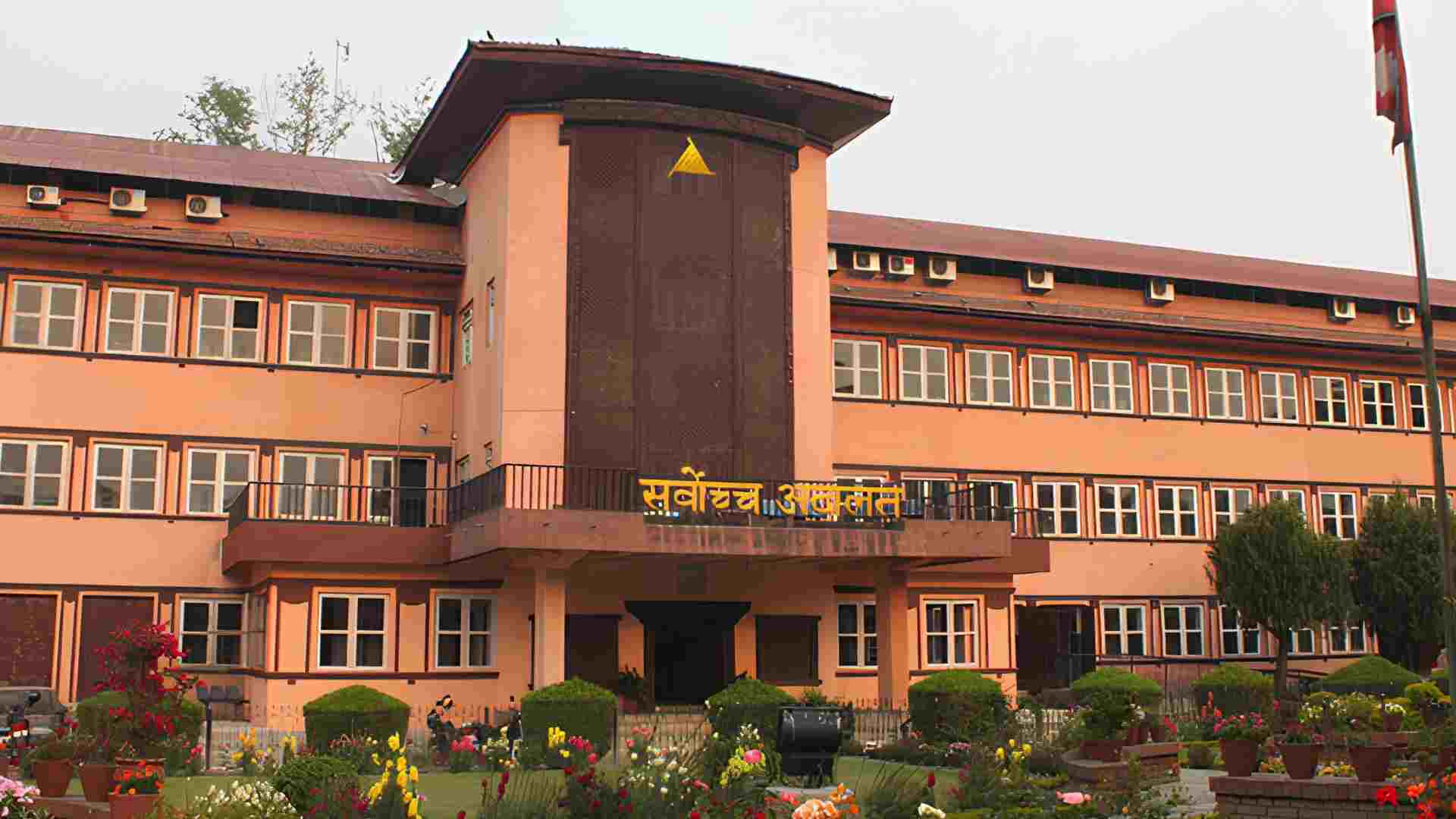
Three international human rights organisations, Amnesty International, Human Rights Watch and the International Commission of Jurists (ICJ), have expressed concern over reports that three senior Supreme Court justices in Nepal were pressured to resign and threatened with impeachment if they refused.
In a joint statement, the organisations said they had received credible reports that Supreme Court justices Sapana Pradhan Malla, Kumar Regmi and Hari Phuyal were subjected to political pressure to step down. They said no publicly stated allegations appeared to meet the constitutional requirements for impeachment and warned against using the process for political purposes.
The organisations said that under Nepal’s legal framework, judges are automatically suspended once an impeachment motion is registered. They warned that suspending three senior justices while the Supreme Court is hearing significant constitutional and far-reaching cases could have serious implications for the court’s structure and functioning.
The groups also raised concerns over amendments to the Constitutional Council Act, alleging that changes introduced through an executive ordinance weakened safeguards for judicial independence. They said changes to quorum and voting provisions could increase political influence over judicial appointments and undermine international standards on the rule of law.
The organisations further questioned the recent appointment of Dr Manoj Kumar Sharma as Chief Justice while senior justices remained in office. They said the appointment departed from Nepal’s long-standing practice of appointing the senior-most justice as Chief Justice and criticised the lack of meaningful public scrutiny of complaints raised during the nomination process.
ICJ Senior Legal and Policy Director Ian Seiderman said judicial independence is a cornerstone of the rule of law and an essential safeguard for human rights protection. He stressed that any reform of Nepal’s judiciary should strengthen, rather than weaken, the independence, impartiality and integrity of the courts.
Human Rights Watch Asia Deputy Director Meenakshi Ganguly said judicial appointments or removals that appear politically influenced can erode public confidence in the justice system and weaken the rule of law.
Amnesty International South Asia Regional Deputy Director Isabelle Lasse said judicial reforms should not undermine established principles of separation of powers and transparency.
The three organisations urged the Nepal government not to pressure judges to resign and not to misuse impeachment procedures. They called for judicial appointments, including those to the position of Chief Justice, to be based on transparency, objectivity and merit. They also called for amendments to the Constitutional Council Act to be reviewed through an open parliamentary process and for stronger legal safeguards to protect the judiciary from political interference.
Read More Stories
Inside Nepali Congress’s 15th General Convention
The Nepali Congress began debating its political and organisational direction for the next...

NEPSE continues downtrend, sheds another 20 points, turnover drops to NRs 3.27 billion
The stock market extended its decline on Monday, with the Nepal Stock Exchange...
National Medical College residents’ protest widens into scrutiny of PG programme
A dispute between postgraduate resident doctors and the administration of National Medical College...