What we do is costly! Your support will help us dig more stories.
Yes, I'm Interested!Ignorance isn't always bliss | Don't stay foolish.
Keep informed | Read our news and analysis.
Bamboo Guidelines | Infrastructure & Construction | Local Government Advocacy | Local Economy
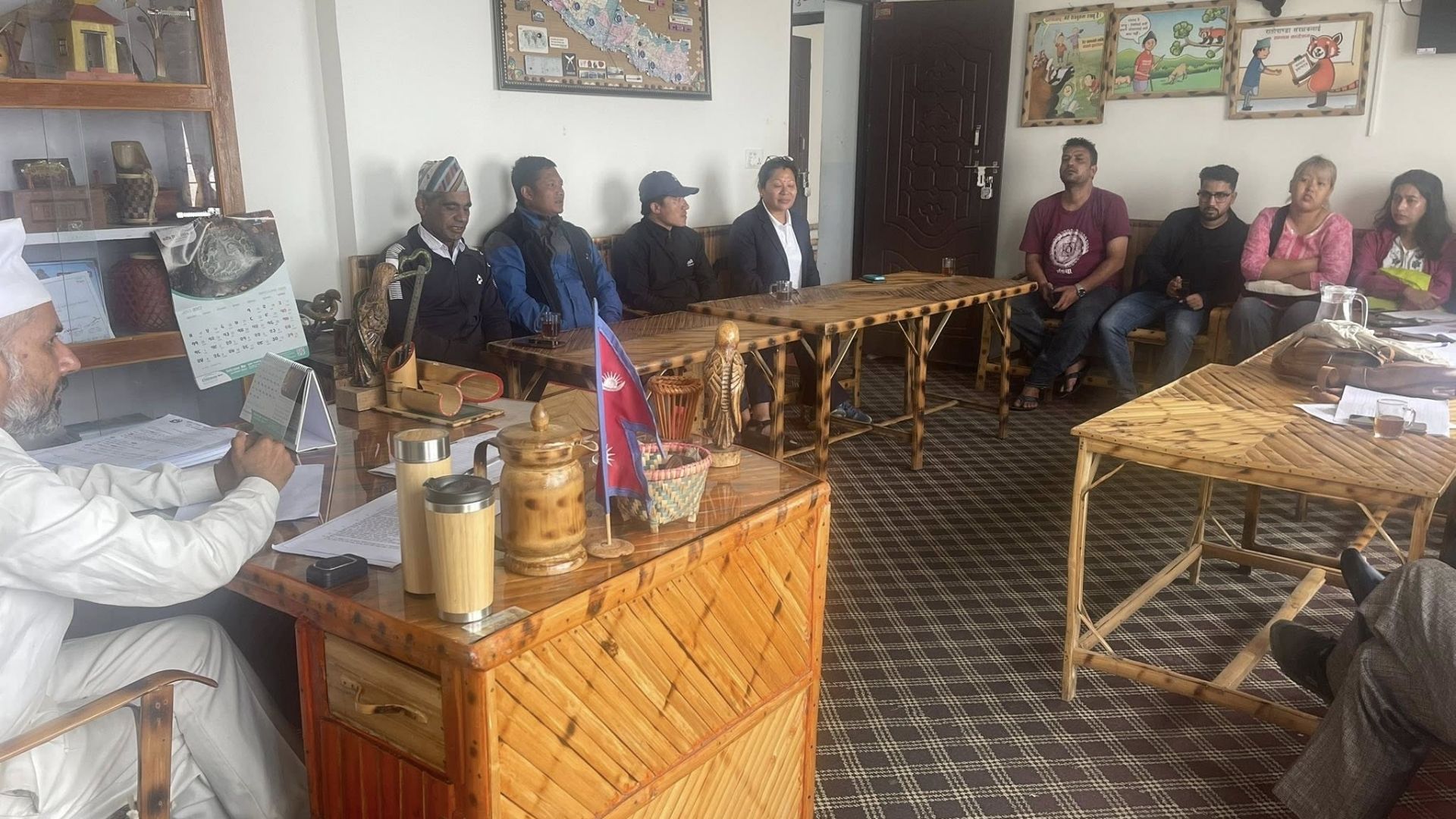
The federal government has formally recognised bamboo as a structural construction material for the first time in Nepal, following its approval of the Guidelines on the Design of Bamboo-based Structures.
The new guidelines allow one- to two-storey residential buildings and small commercial or industrial structures to be built using bamboo based on engineering design. They outline standards for harvesting, grading, chemical treatment, storage and use, and include technical specifications and model house designs for constructing earthquake-resistant, eco-friendly and cost-effective buildings.
The Ministry of Urban Development, which endorsed the guidelines, plans to circulate them to local governments through the Ministry of Federal Affairs and General Administration.
The push behind the policy came from Diktel Rupakot Majhuwagadhi Mayor Tirtha Raj Bhattarai, who staged a sit-in at Maitighar Mandala on July 27, demanding the promotion of bamboo-based construction materials, formation of a building committee, and implementation of model designs. He ended his hunger strike on August 3 after a 16-point agreement was reached in the presence of then Health Minister Pradip Paudel and then Forest and Environment Minister Ain Bahadur Shahi Thakuri.
Following the federal government’s approval, Mayor Bhattarai issued a statement thanking the government and concerned agencies, calling the decision “a milestone” for promoting local resources, enabling environmentally friendly construction, and reducing climate impacts. He noted that although only one of his 16 demands has been fulfilled, discussions on the remaining points are underway. He also urged the government to further regulate the use of environmentally harmful materials such as plastics and glass.
Earlier this year, on February 28, Diktel Rupakot Majhuwagadhi Municipality organised the first National Bamboo Conference in Diktel Bazaar to promote the bamboo industry. The municipality is home to 13 types of bamboo, including Dhungro, Bhalu, Choya, Ban, Karauti, Malingo, Singano, Niganlo and Muktiyali varieties.
The conference adopted a 35-point declaration across seven thematic areas: bamboo cultivation and sustainable management; strengthening the bamboo industry and market development; study, research, innovation and capacity building; policy and institutional support; environmental and climate solutions; employment and livelihood promotion; and miscellaneous issues.
Read More Stories
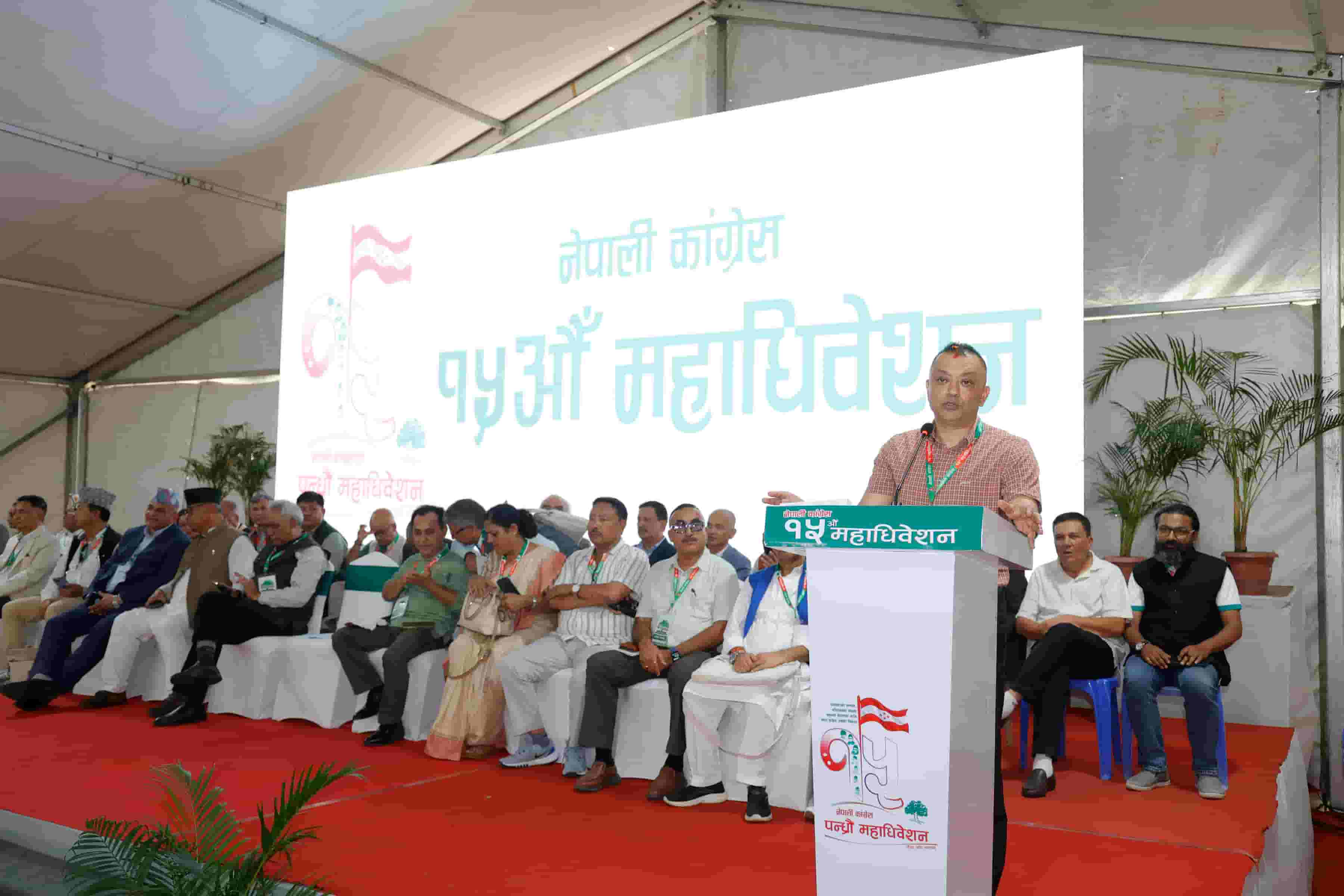
Inside Nepali Congress’s 15th General Convention
The Nepali Congress began debating its political and organisational direction for the next...

NEPSE continues downtrend, sheds another 20 points, turnover drops to NRs 3.27 billion
The stock market extended its decline on Monday, with the Nepal Stock Exchange...
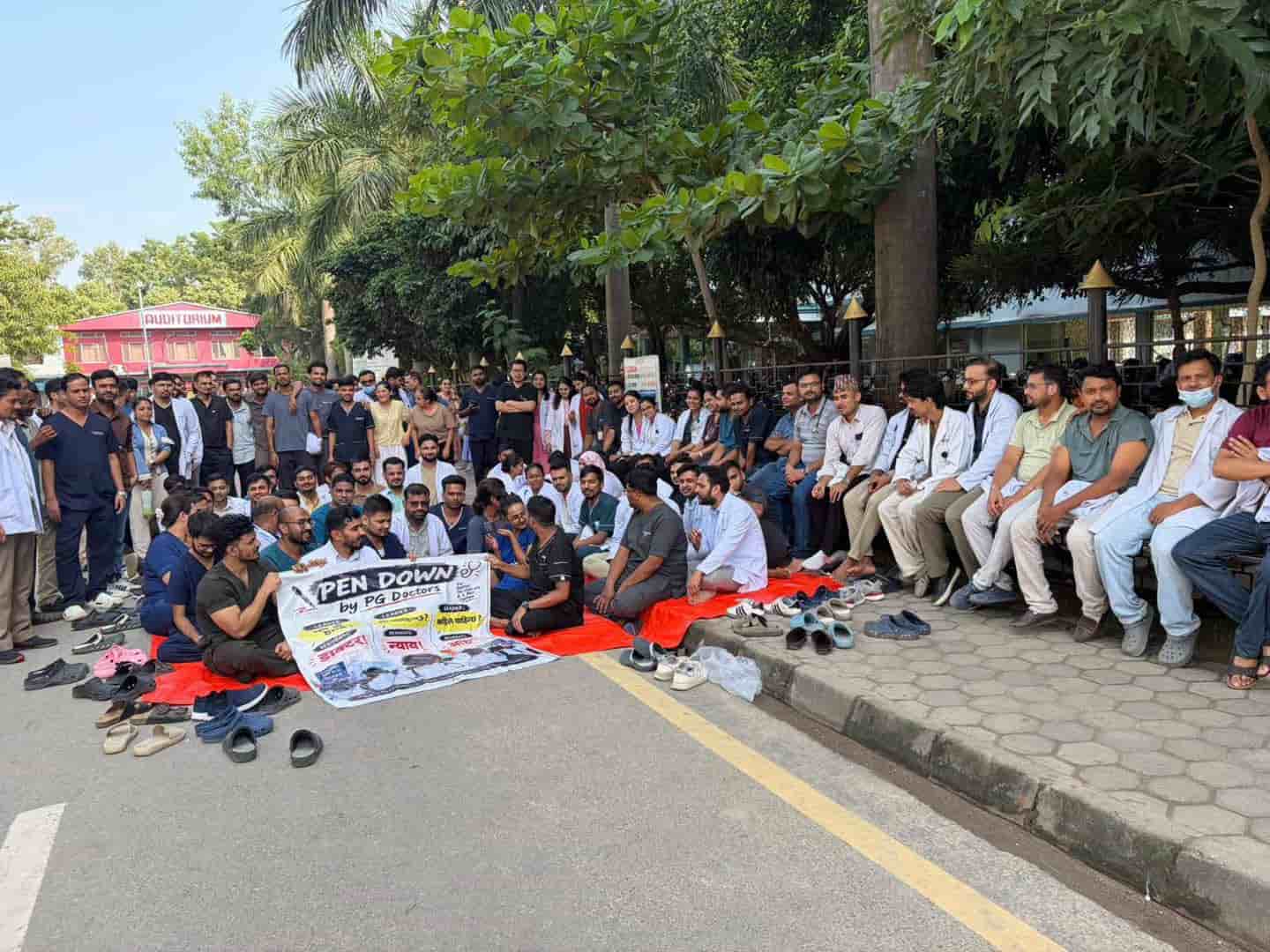
National Medical College residents’ protest widens into scrutiny of PG programme
A dispute between postgraduate resident doctors and the administration of National Medical College...