What we do is costly! Your support will help us dig more stories.
Yes, I'm Interested!Ignorance isn't always bliss | Don't stay foolish.
Keep informed | Read our news and analysis.
Cyclone Naming | WMO | North Indian Ocean | Atlantic Ocean | Western North Pacific
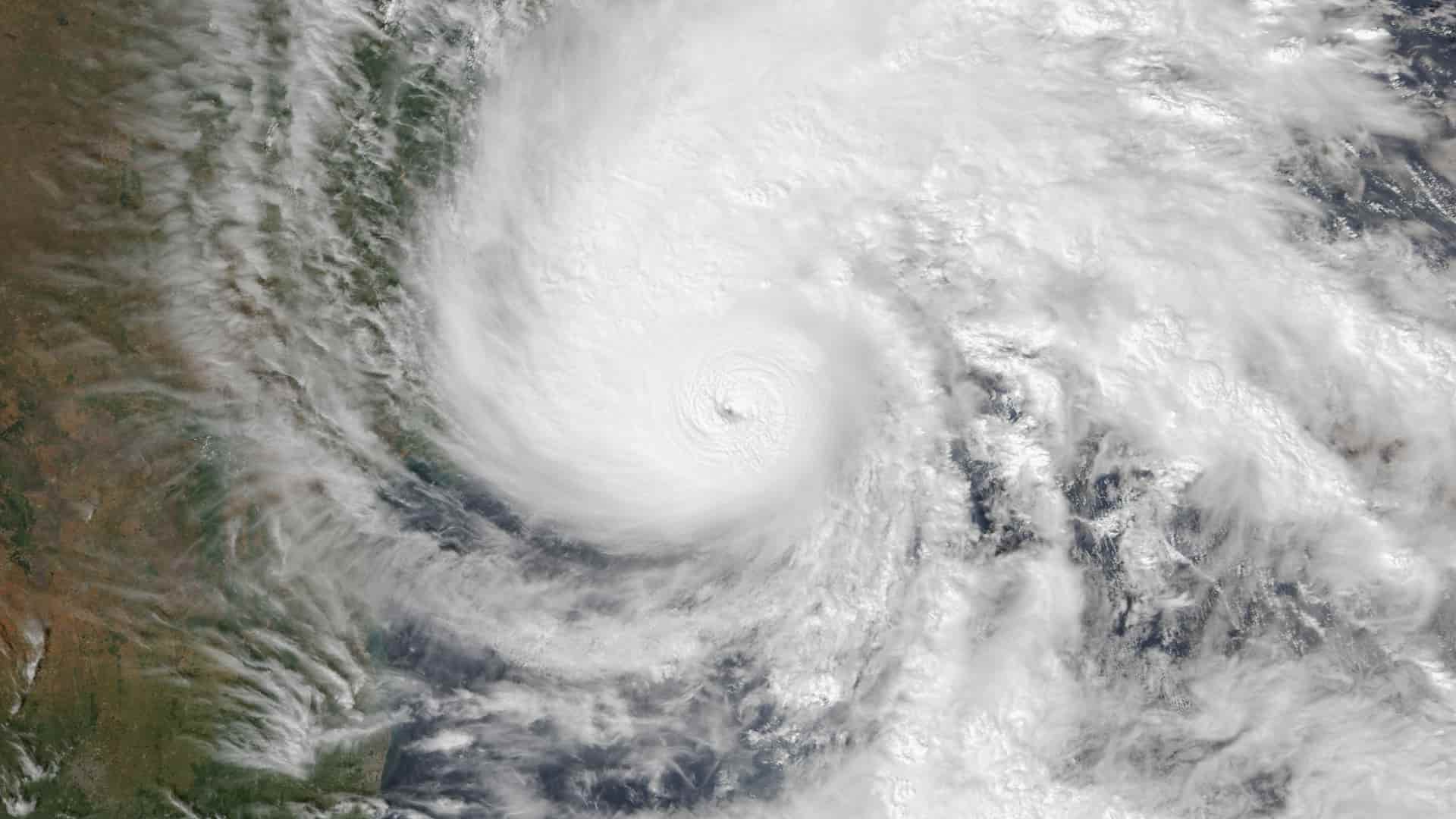
When Cyclone Arnab approached India’s eastern coast this week, its name raised a familiar question: who decides what a cyclone is called, and why do storms in different parts of the world have names such as Arnab, Katrina and Mocha?
The answer lies in an international system designed to make dangerous weather events easier to identify, track and communicate to the public.
Meteorologists do not name cyclones spontaneously or after the people who discover them. Instead, countries submit names to regional lists coordinated through the World Meteorological Organisation (WMO). The names are assigned according to established procedures for each ocean basin.
Bangladesh proposed Arnab
Bangladesh proposed Arnab for the list used to name tropical cyclones forming over the North Indian Ocean, which includes the Bay of Bengal and the Arabian Sea.
WMO/United Nations Economic and Social Commission for Asia and the Pacific Panel on Tropical Cyclones administer the system. The India Meteorological Department (IMD), through its Regional Specialised Meteorological Centre in New Delhi, is responsible for assigning names to qualifying storms in the region.
Thirteen countries contribute to the current list: Bangladesh, India, Iran, the Maldives, Myanmar, Oman, Pakistan, Qatar, Saudi Arabia, Sri Lanka, Thailand, the United Arab Emirates and Yemen. Each contributed 13 names, creating a list of 169 names adopted in 2020.
A cyclone carrying a name proposed by one country can strike another. The name reflects the agreed regional sequence, not the country expected to experience the storm’s effects.
Arnab, for example, was forecast to make landfall along India’s Andhra Pradesh coast, despite being proposed by Bangladesh. The storm made landfall on Wednesday, October 28, bringing strong winds and heavy rain to parts of India’s eastern coast.
When does a storm receive a name?
A weather system is not named simply because it develops over the sea or threatens to bring heavy rainfall. It must reach the prescribed intensity threshold.
In the North Indian Ocean, a system becomes eligible for a name when its maximum sustained surface wind speed reaches 34 knots, or approximately 62 kilometres per hour, under the regional naming criteria.
The IMD then assigns the next available name in the sequence. The list is not restarted each year, and the name is not chosen according to the storm’s projected landfall location.
The procedure helps forecasters, emergency responders, journalists and the public distinguish one storm from another, particularly when several weather systems are active at the same time.
Why are there different names in different regions?
Tropical cyclones are known by different terms depending on where they develop. They are generally called hurricanes in the Atlantic and northeastern Pacific, typhoons in the northwestern Pacific, and cyclones in the North Indian Ocean and several other regions.
Although the terminology differs, these systems belong to the same broad family of tropical weather phenomena.
Each region maintains its own naming arrangements. In the Atlantic, for instance, names are drawn from lists that rotate over a six-year cycle. The North Indian Ocean uses its own list, contributed by its 13 participating countries.
That is why Katrina and Arnab belong to different naming systems. Hurricane Katrina developed in the Atlantic in 2005, while Arnab is part of the list for the Bay of Bengal and Arabian Sea.
Why was Katrina retired?
Names can become closely associated with catastrophic loss of life and extensive destruction.
Hurricane Katrina devastated parts of the United States in August 2005, particularly along the Gulf Coast, including New Orleans. Its name was subsequently retired from the Atlantic hurricane lists and will not be assigned to another Atlantic storm.
The WMO’s regional committees may retire a name when reusing it would be inappropriate because of a storm’s deadly or costly impact. A replacement name is then selected under the relevant regional procedure.
The rules differ between regions. Under the North Indian Ocean system, names are not reused once they have been assigned to a cyclone, rather than following the Atlantic’s rotating lists and retirement process.
What does a cyclone’s name tell us about its danger?
A name is an identification tool, not a measure of a storm’s strength.
The level of danger depends on factors including wind speed, rainfall, storm surge, the storm’s movement and the vulnerability of communities in its path. Two storms with equally memorable names can have very different impacts.
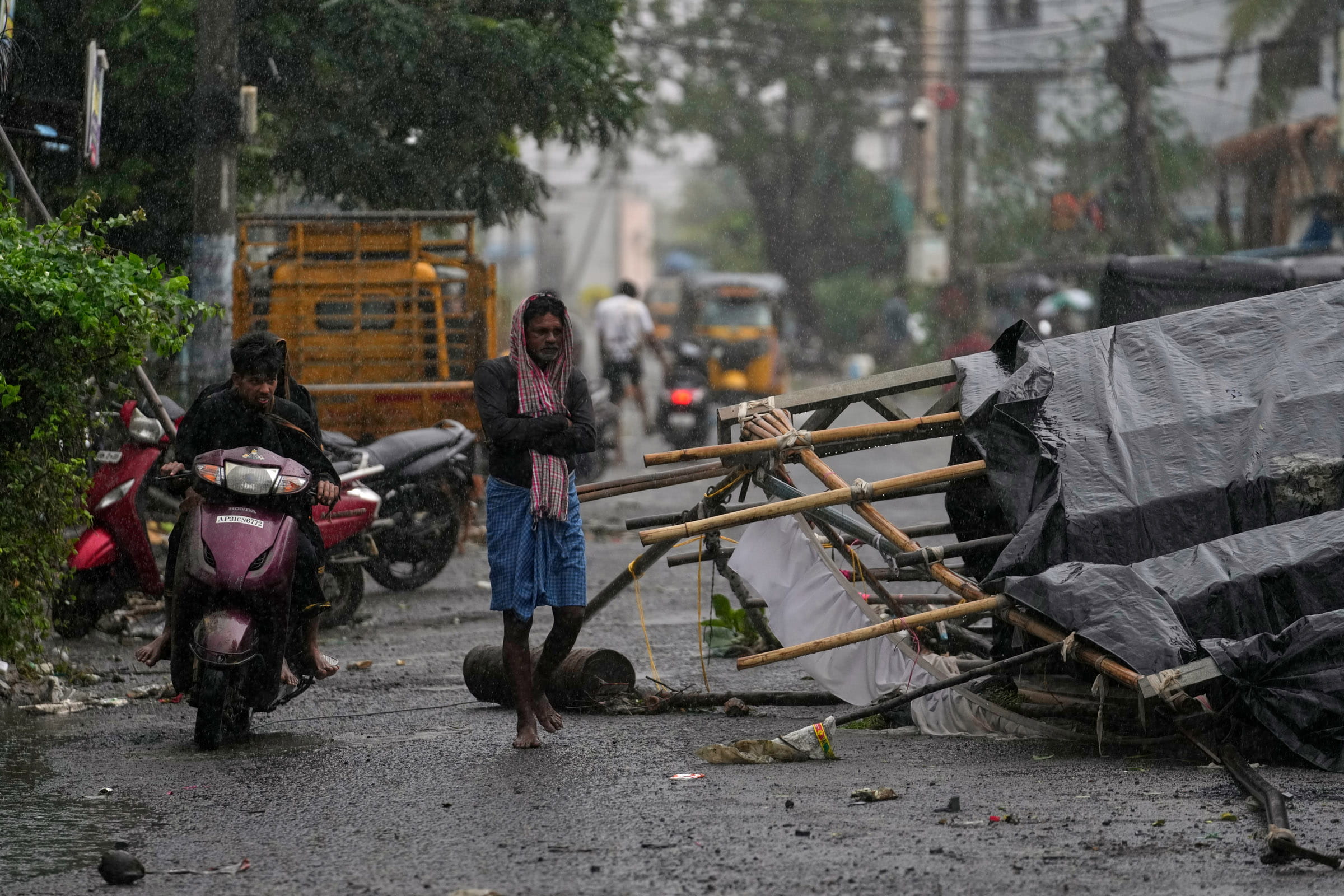
For Nepal, the effects of a cyclone can extend beyond the immediate coastal region where it makes landfall. A system over the Bay of Bengal can influence weather patterns across parts of South Asia, potentially contributing to rainfall or snowfall in Nepal, depending on its movement and the wider atmospheric conditions.
Authorities therefore rely on meteorological forecasts and warnings, rather than a storm’s name, to assess risks.
The naming system ultimately serves a straightforward purpose: making it easier for people to recognise a particular storm, follow its development and understand warnings issued about it.
Read More Stories

NEPSE rises 33.29 points as hydropower stocks drive market rally
The Nepal Stock Exchange (NEPSE) rose 33.29 points, or 1.27%, to close at...
Nepal braces for heavy rain and snowfall as Cyclone Arnab hits India
Nepal braces for adverse weather from Thursday night as Cyclone Arnab, which made...
Dashain road crashes claim 124 lives nationwide, six killed in Monday’s SUV accident in Gulmi
Six people have died and three others have been injured after a Scorpio...