What we do is costly! Your support will help us dig more stories.
Yes, I'm Interested!Ignorance isn't always bliss | Don't stay foolish.
Keep informed | Read our news and analysis.
inflation | Cost Of Living | central Bank | Economic Update
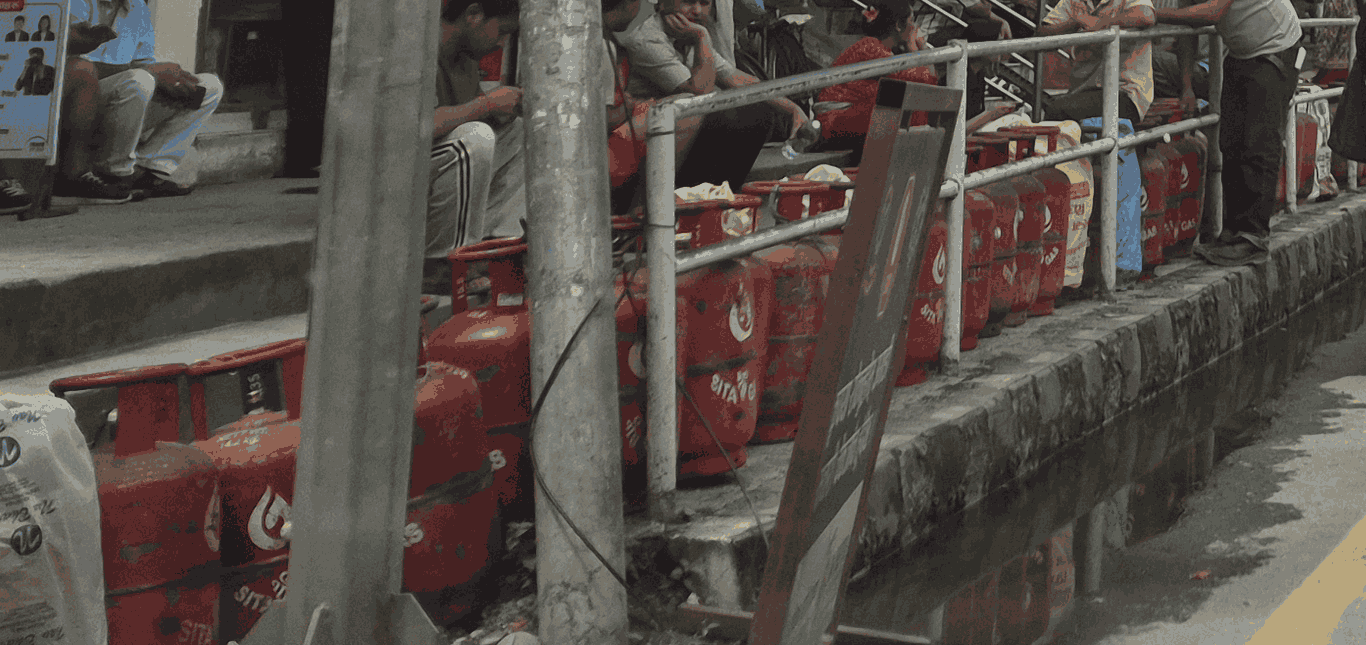
Nepal’s annual consumer price inflation climbed to 6.34% in mid-September 2026, up sharply from 1.87% a year earlier, as rising food prices and transportation costs added to domestic inflationary pressures, according to Nepal Rastra Bank (NRB).
The central bank’s latest Current Macroeconomic and Financial Situation of Nepal report shows that inflation also increased from 5.96% in mid-August 2026, indicating a continued acceleration in consumer prices during the opening months of fiscal year 2026/27.
Food and beverage prices rose 7.54% year-on-year, while prices of non-food items and services increased 5.69%.
Within the food and beverage category, ghee and oil recorded the highest price increase at 16.68%, followed by fruits at 15.99% and sugar and sugar products at 12.14%. Prices of meat and fish rose 7.34%, vegetables 7.07% and spices 6.71%.
Transportation costs registered the highest increase among the reported non-food categories, rising 12.77% year-on-year. Prices of alcoholic drinks increased 8.83%, clothing and footwear 7.06%, and furnishing and household equipment 6.01%.
Inflation also varied across geographical areas. Rural inflation reached 6.78%, compared with 6.19% in urban areas. Among provinces, Madhesh recorded the highest inflation rate at 7.48%, while Sudurpashchim posted the lowest at 5.16%.
Wholesale price inflation accelerated to 8.08%, compared with 2.10% in the corresponding period of the previous fiscal year, suggesting that price pressures have extended beyond retail consumer markets.
Despite rising inflation, Nepal’s external financial position remained relatively strong. Foreign exchange reserves increased 4.3% from mid-July to NRs 4.06 trillion by mid-September. The reserves were sufficient to cover 20.9 months of merchandise imports and 17.8 months of merchandise and services imports.
Remittance inflows also provided support, increasing 23.9% to NRs 436.36 billion during the first two months of fiscal year 2026/27.
Meanwhile, government expenditure rose 10.9% year-on-year to NRs 199.84 billion. However, capital expenditure remained limited at NRs 7.66 billion, despite increasing 20.6% from the same period last year.
The rise in inflation, particularly in food and transportation, points to growing pressure on household purchasing power. While stronger remittances and foreign exchange reserves provide external stability, the persistence of price increases remains a key concern for the economy.
Read More Stories
Nepal braces for heavy rain and snowfall as Cyclone Arnab hits India
Nepal braces for adverse weather from Thursday night as Cyclone Arnab, which made...

Dashain road crashes claim 124 lives nationwide, six killed in Monday’s SUV accident in Gulmi
Six people have died and three others have been injured after a Scorpio...

Market edges up by a modest 0.94 points, turnover by 45%
The Nepal Stock Exchange (NEPSE) climbed up by a modest 0.94 points (0.04%)...