What we do is costly! Your support will help us dig more stories.
Yes, I'm Interested!Ignorance isn't always bliss | Don't stay foolish.
Keep informed | Read our news and analysis.
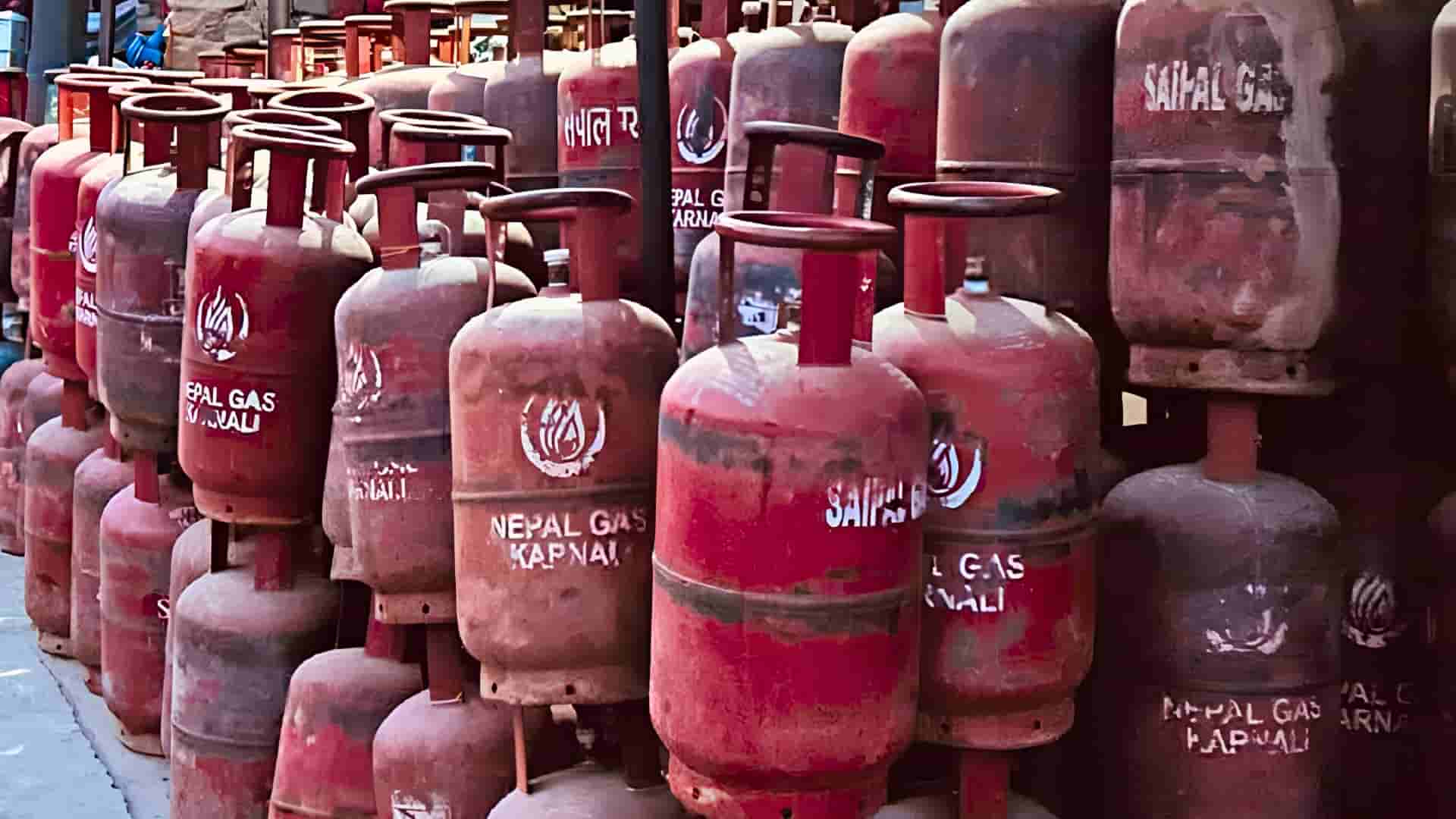
The supply of liquefied petroleum gas (LPG) to Kathmandu Valley has been affected after flood damage and a landslide at Krishnabhir in Dhading blocked the Prithvi Highway, disrupting the movement of gas tankers and other petroleum vehicles into the capital.
The disruption has come as the LPG distribution system was already facing supply and distribution difficulties in Kathmandu. Consumers had reported shortages at local dealers and long waits at designated distribution points in recent weeks.
The Nepal Oil Corporation (NOC) has now asked LPG companies and dealers to prioritise household consumers and other essential users while supplies remain affected.
The Prithvi Highway, one of the main road links between Kathmandu and the southern plains, was blocked after the Trishuli River damaged the road at the Krishnabhir section. LPG tankers traveling toward Kathmandu have been unable to use the route normally, affecting the supply chain to the valley.
According to the NOC, Kathmandu Valley requires around 35,000 to 40,000 LPG cylinders a day. Twenty-two LPG companies have been supplying the valley, but the road disruption has affected the arrival of bulk LPG tankers and the operation of some bottling plants.
NOC said LPG companies would need to coordinate with other plants and manage supplies through alternative routes until normal road access is restored.
Commercial users asked to arrange LPG themselves
The NOC has asked hotels, restaurants, canteens and other large commercial consumers to make their own arrangements for LPG during the disruption.
Commercial users have been advised to coordinate with the dealer or company supplying their preferred LPG brand, transport empty cylinders to bottling plants outside Kathmandu Valley, have them refilled and bring them back through alternative routes.
Bottling plants in areas including Hetauda, Birgunj, Bara, Parsa, Chitwan, Makwanpur and Nawalparasi can be used for refilling.
The arrangement is intended to ensure that the limited supply reaching Kathmandu can be directed primarily toward households and consumers with essential needs.
Filled cylinders brought from outside the valley will be transported by trucks and smaller vehicles. LPG vehicles entering Kathmandu are expected to use the Tribhuvan Highway route through Hetauda, Bhaise, Palung and Naubise. Vehicles leaving Kathmandu can use the Kanti Lokpath route.
Essential users to receive priority
The NOC has instructed LPG dealers to prioritize households and consumers with urgent requirements.
Students, people who are ill, senior citizens, people with disabilities, shelters and facilities serving vulnerable people, as well as centers assisting flood-affected communities, are among those to be given priority where necessary.
The corporation has also taken steps to monitor the market and prevent artificial shortages and black-market sales. Two representatives from LPG dealers will participate in the NOC's rapid-response monitoring teams to assist with market monitoring and complaints.
Officials have asked dealers to distribute available gas in a fair and organized manner.
Distribution problems existed before the road disruption
The current supply difficulties follow a period of severe disruption in Kathmandu's LPG distribution system.
Before the Krishnabhir road blockage, consumers were already reporting that local dealers did not have sufficient supplies. Some had been traveling to designated sales points and waiting for several hours to obtain cylinders, prompting criticism that people were being forced to spend long hours simply to access an essential household item such as LPG.
The government had established several locations for direct LPG distribution, including sites in Teku, Budhanilkantha, New Baneshwor-area locations and other parts of the valley. Cylinders were distributed through those points under the names of nearby dealers.
LPG dealers, however, argued that distributing gas through separate public locations had reduced the quantity reaching neighborhood dealers and weakened the regular distribution network.
They said local dealers were better positioned to identify regular customers and manage supplies according to demand in their respective areas.
Consumer-rights advocates also questioned the distribution arrangement, saying that consumers had been forced to travel long distances and, in some cases, spend additional money on transportation to obtain LPG.
Import levels had also put pressure on supply
LPG dealers have attributed part of the earlier shortage to lower imports and increased demand.
The LPG Dealers Federation said Nepal normally requires around 50,000 metric tons of LPG a month, while average imports during the period cited were about 35,000 metric tons.
Concerns about possible shortages in international LPG supplies also led some consumers to refill cylinders earlier or purchase additional supplies, increasing demand.
Dealers said the combination of lower imports, higher demand and difficulties in the distribution system had contributed to the shortages seen before the floods.
The NOC, however, maintained that some of the direct distribution measures were introduced as temporary arrangements to respond to the situation and ensure that consumers could obtain gas.
Alternative supply arrangements
With the Prithvi Highway currently disrupted, LPG companies supplying Kathmandu are being encouraged to coordinate with bottling plants outside the valley and bring filled cylinders through alternative routes.
Officials say the immediate priority is to maintain supplies for households and essential users while the road network remains affected.
The situation is expected to depend largely on the restoration of road access at Krishnabhir and the resumption of normal LPG tanker movement into Kathmandu.
Until then, commercial users are being asked to arrange their own refills from bottling plants outside the valley, while available supplies in Kathmandu will be prioritised for household and essential consumption.
Read More Stories
Inside Nepali Congress’s 15th General Convention
The Nepali Congress began debating its political and organisational direction for the next...

NEPSE continues downtrend, sheds another 20 points, turnover drops to NRs 3.27 billion
The stock market extended its decline on Monday, with the Nepal Stock Exchange...
National Medical College residents’ protest widens into scrutiny of PG programme
A dispute between postgraduate resident doctors and the administration of National Medical College...