What we do is costly! Your support will help us dig more stories.
Yes, I'm Interested!Ignorance isn't always bliss | Don't stay foolish.
Keep informed | Read our news and analysis.
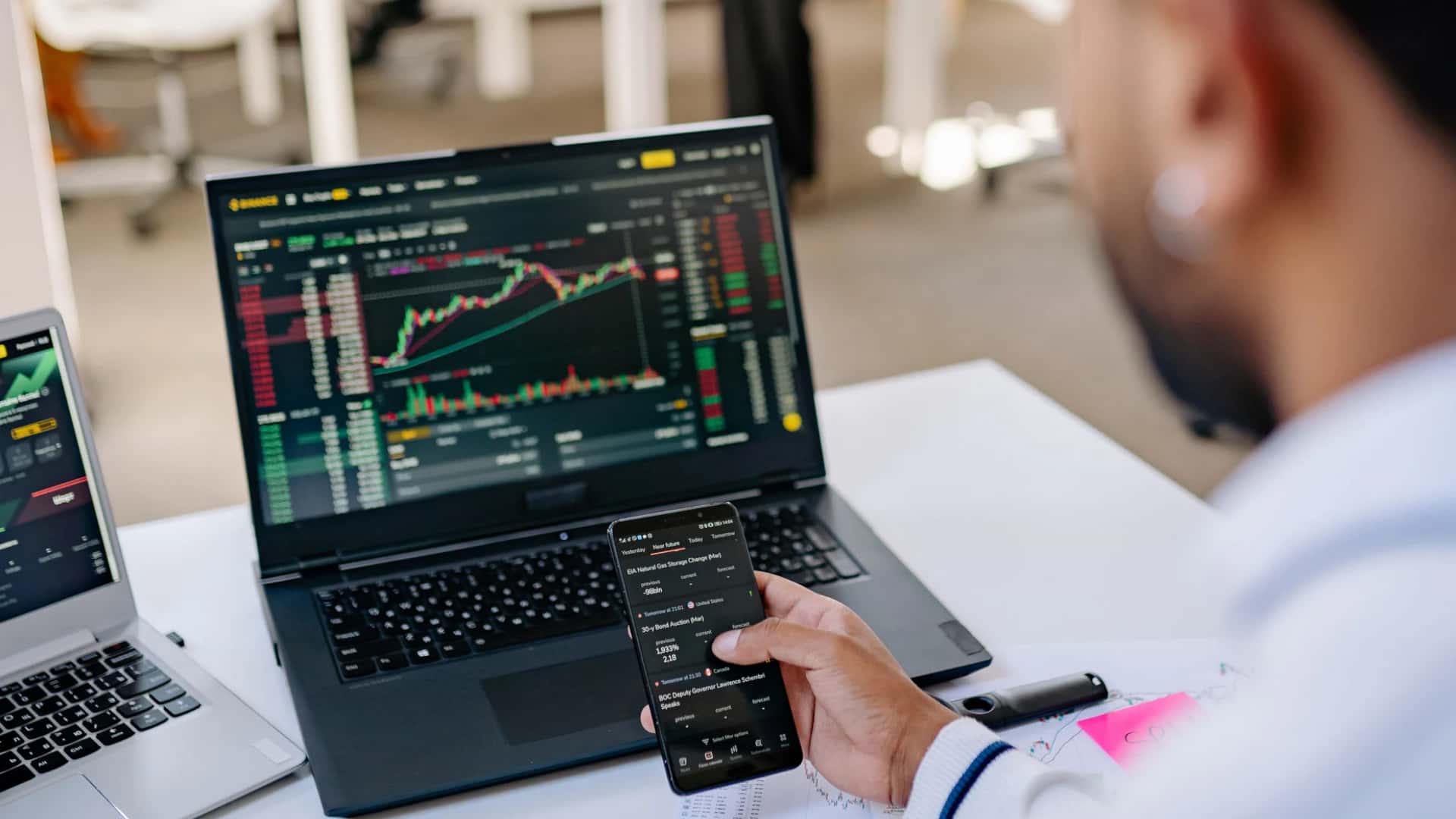
The Securities Board of Nepal (SEBON) has moved a step closer to introducing intraday trading in Nepal's secondary stock market by publishing a draft regulatory framework that would allow eligible investors to buy and sell shares within the same trading session.
The regulator released the draft Securities Intraday Trading Regulations, 2083 on November 5, 2026, seeking public and stakeholder feedback until November 20. The proposed regulations aim to improve market liquidity, trading efficiency and price discovery while establishing safeguards against excessive risk and market manipulation.
The latest proposal builds on SEBON’s concept paper published in September, which outlined a phased introduction of intraday trading, initially focusing on liquid securities and a buy-first, sell-later model.
Brokers must maintain NRs 200 million paid-up capital
Under the draft regulations, stockbrokers intending to provide intraday trading services must maintain a minimum paid-up capital of NRs 200 million. Their net worth must also exceed their paid-up capital, and they must obtain separate approval from SEBON.
Participating brokers would need integrated trading, order management and risk management systems, along with a dedicated risk management officer, internal control mechanisms and compliance arrangements.
They must also establish business continuity and disaster recovery plans to ensure uninterrupted operations and protect investors against potential system failures.
Intraday trading limited to selected securities
The proposed framework does not allow intraday trading in every company listed on the Nepal Stock Exchange (NEPSE).
Only securities meeting SEBON’s prescribed eligibility criteria will qualify. These criteria will consider liquidity, daily trading volume, free float, price volatility, market capitalisation, corporate governance and the financial condition of listed companies.
NEPSE will publish and periodically update the list of eligible securities.
Investors face financial and risk assessments
Investors will have to undergo a suitability assessment before accessing intraday trading services.
Brokers must evaluate clients’ financial capacity, investment experience, risk-bearing ability and trading objectives. The assessment will cover factors such as annual income, source of funds, total assets, emergency savings, trading frequency and experience in the share market.
Investors must also sign risk disclosure declarations and enter into trading and margin agreements before using the facility.
Mandatory same-day position closure
The draft requires investors to close all intraday trading positions before the end of the trading session.
If an investor fails to close an open position within the prescribed timeframe, the broker must automatically square it off through the trading system. Any resulting profit, loss, brokerage fees and other charges will be borne by the investor.
Investors must also maintain the prescribed margin before placing orders. Additional variation margins may be imposed depending on market conditions.
SEBON may introduce exposure limits for investors, brokers, individual securities and the overall market. It would also have the authority to increase margin requirements, revise exposure limits or temporarily suspend trading in particular securities when unusual market movements or systemic risks emerge.
Initial rollout to follow a buy-first, sell-later model
SEBON's September concept paper proposed introducing intraday trading through a Buy First, Sell Later mechanism.
Under this model, investors would purchase shares and sell them within the same trading day. The alternative Sell First, Buy Later mechanism would be considered only after the necessary infrastructure for securities lending and borrowing and covered short selling is established.
The phased approach is intended to allow the regulator and market institutions to assess operational readiness and manage potential risks before expanding the facility.
Real-time monitoring and client asset safeguards
The proposed framework requires NEPSE, CDS and Clearing Limited (CDSC) and brokerage firms to establish integrated information systems to support intraday transactions.
NEPSE would monitor trading activity in real time to identify unusual price movements, abnormal trading volumes and potential market manipulation. Suspicious transactions would have to be reported to SEBON.
Brokers would also be required to maintain separate accounts for clients’ money, securities and other assets. They would be prohibited from conducting transactions on behalf of clients without prior consent or using client funds and margins without authorisation.
The draft further provides for investor awareness programmes and complaint-handling mechanisms involving SEBON, NEPSE and brokerage firms.
The final framework will be shaped by stakeholder feedback and the necessary operational arrangements.
Read More Stories

APEC Summit opens in Shenzhen as Xi, Trump and Putin prepare for historic trilateral talks
The annual Asia-Pacific Economic Cooperation (APEC) summit opened in Chinas southern city of...

Market falls for third consecutive day as trading turnover declines
The stock market extended its losing streak for a third consecutive session on...

Climate change, household economies, and credit repayment challenges in rural Nepal
Livelihoods in Nepals remote farming and rugged mountain settlements wake up early to...