What we do is costly! Your support will help us dig more stories.
Yes, I'm Interested!Ignorance isn't always bliss | Don't stay foolish.
Keep informed | Read our news and analysis.
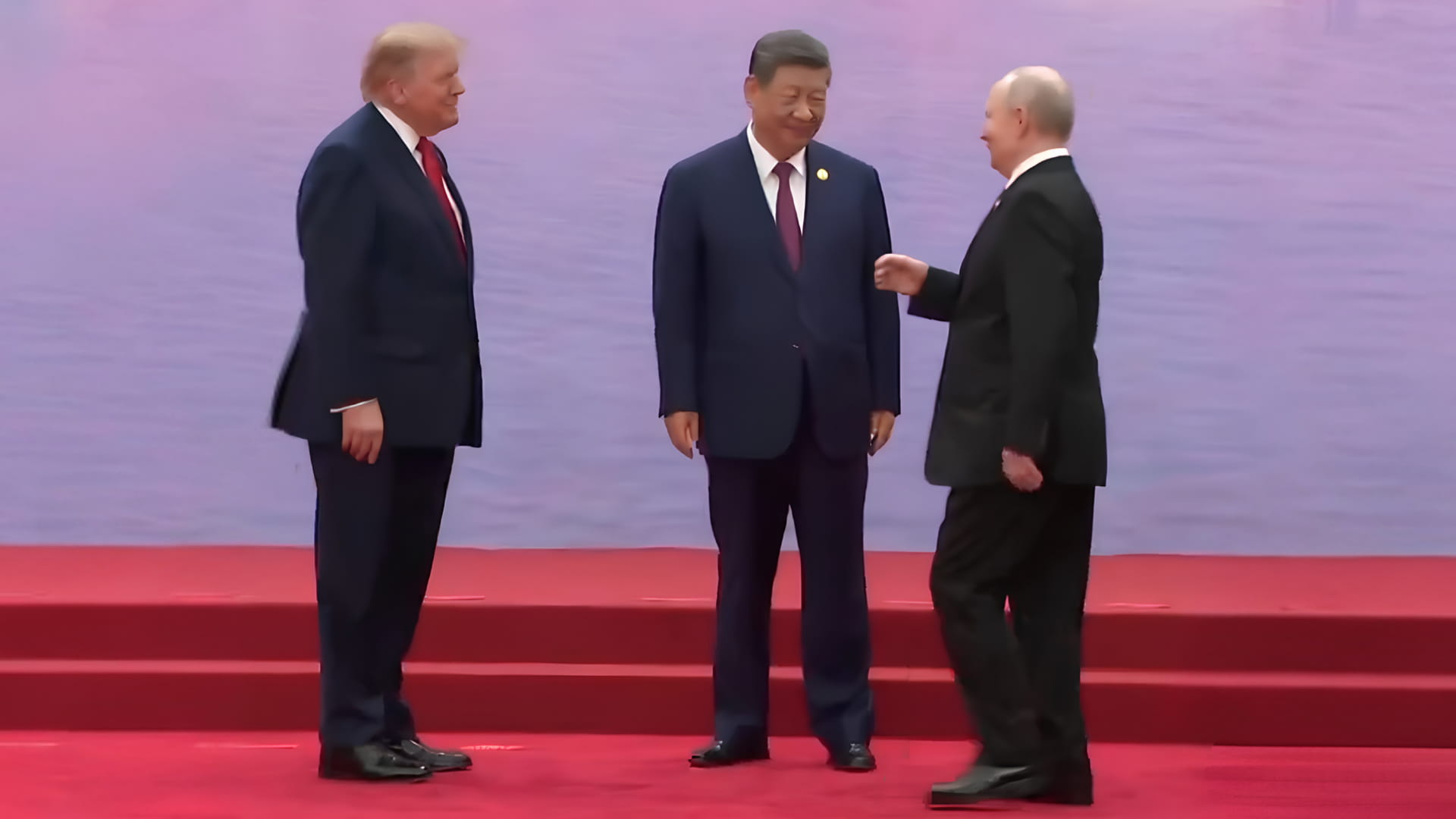
The annual Asia-Pacific Economic Cooperation (APEC) summit opened in China’s southern city of Shenzhen on Thursday, but the gathering of 21 regional economies is facing competition for attention from an extraordinary meeting between Chinese President Xi Jinping, US President Donald Trump and Russian President Vladimir Putin.
The three leaders are expected to discuss some of the world's most pressing issues, including nuclear weapons, the wars in Ukraine and the Middle East, and the future of global security on the sidelines of the summit. Their meeting comes at a time of heightened international tensions and growing rivalry among major powers.
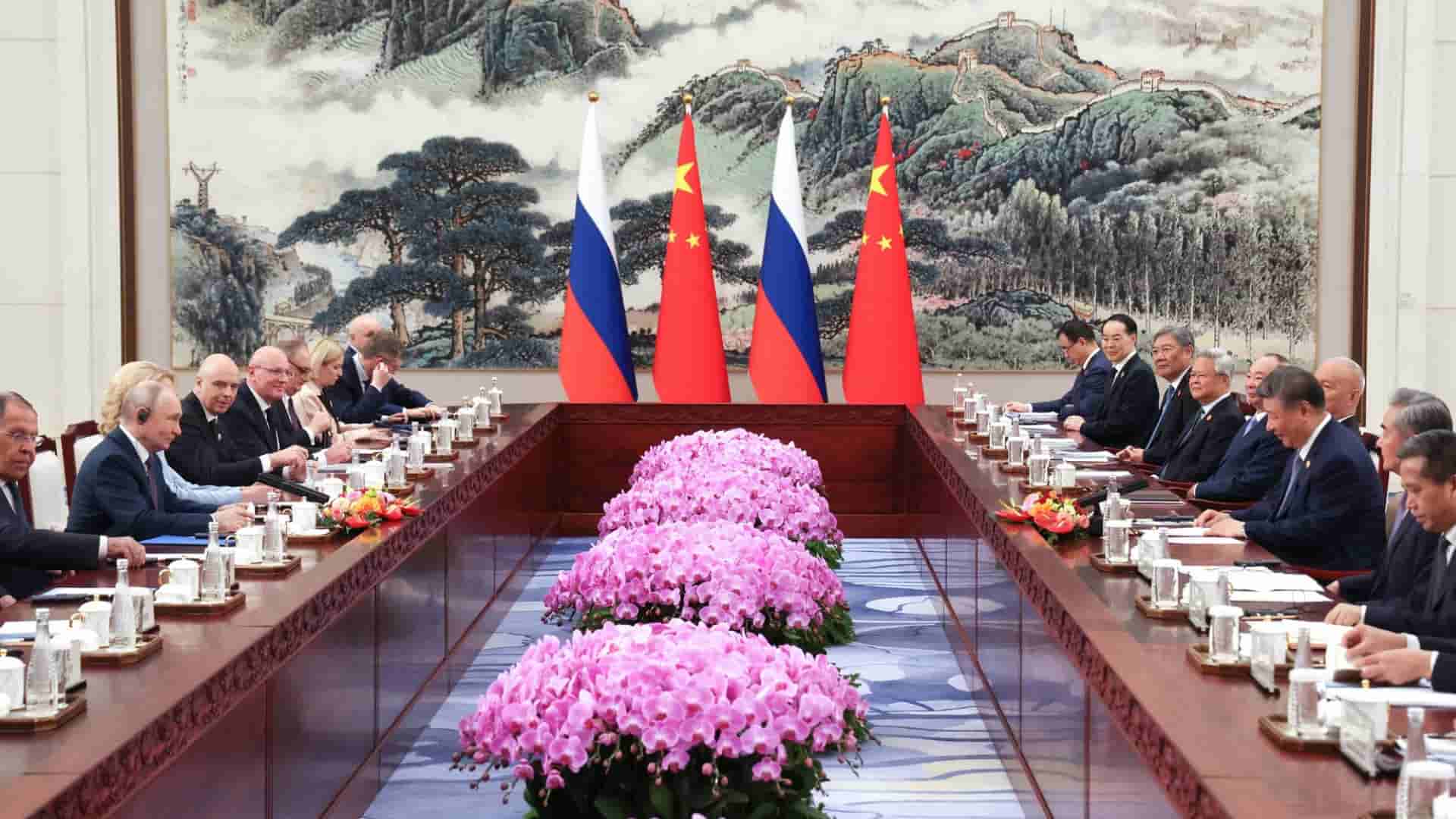
While the talks are being viewed as a significant diplomatic event, there are few signs that the leaders are close to reaching major agreements. Each is arriving with different priorities, and some of the most important issues on the table could prove difficult to resolve.
Different agendas, limited common ground
Trump is expected to push for a new nuclear arms control arrangement involving all three countries. The previous New START agreement between Washington and Moscow expired in February 2026, leaving a gap in formal nuclear arms control efforts between the world's two largest nuclear powers.
Bringing China into a new agreement, however, will not be easy. Beijing has consistently resisted joining negotiations on equal terms with Washington and Moscow, arguing that its nuclear stockpile is considerably smaller.
Stockholm International Peace Research Institute (SIPRI) estimates that China had around 620 nuclear warheads in January 2026, compared with 5,042 in the United States and 5,420 in Russia.
Putin is expected to use the opportunity to advance discussions on ending the war in Ukraine, now in its fourth year. However, Washington has indicated that the conflict is unlikely to be a central topic of the trilateral meeting, as the United States prefers to pursue its own diplomatic efforts with Moscow.
Trump is also interested in discussing Iran and wider security concerns in the Middle East.
For Xi, the challenge is to host the talks without allowing them to turn into negotiations dominated by Washington and Moscow. China has sought to maintain its position as a supporter of a multipolar world in which international decisions are not dictated by a handful of powerful countries.
Concerns over a new Yalta-style arrangement
The meeting has prompted comparisons with the 1945 Yalta Conference, when the leaders of the United States, Britain and the Soviet Union discussed the post-war international order.
The comparison has raised concerns in Ukraine and Europe that the three leaders could reach understandings over regional influence without consulting the countries directly affected.
Ukrainian President Volodymyr Zelenskyy has previously warned against a new Yalta-style arrangement that could determine Ukraine's future without its involvement.
In Moscow, however, the symbolism of the meeting is being viewed more positively. Having Putin sit alongside Xi and Trump reinforces Russia's claim to remain a major player in international affairs despite its isolation over the Ukraine war.
Some Russian nationalist voices have welcomed the gathering as evidence of an emerging multipolar world order.
China, meanwhile, has pushed back against the Yalta comparison. Chinese commentators and scholars argue that dividing the world into spheres of influence belongs to an earlier era of international politics and runs counter to Beijing's support for a UN-centred global system.
The Chinese leadership is also cautious about the political implications of an arrangement that could leave smaller countries with little say in decisions affecting them.
Trade and technology remain central to APEC
Despite the attention surrounding the three leaders, the APEC summit is also addressing economic issues affecting the wider Asia-Pacific region.
Opening the meeting, Xi called on member economies to strengthen cooperation, maintain open trade and work together on technological development. He described APEC members as passengers in the same boat, highlighting their shared economic interests.
Trump used his remarks to promote the strength of the US economy and signal further trade agreements with regional partners. He also highlighted investment commitments from APEC economies.
Artificial intelligence has emerged as another important subject. Trump argued that the development of AI should not be held back by excessive international regulation.
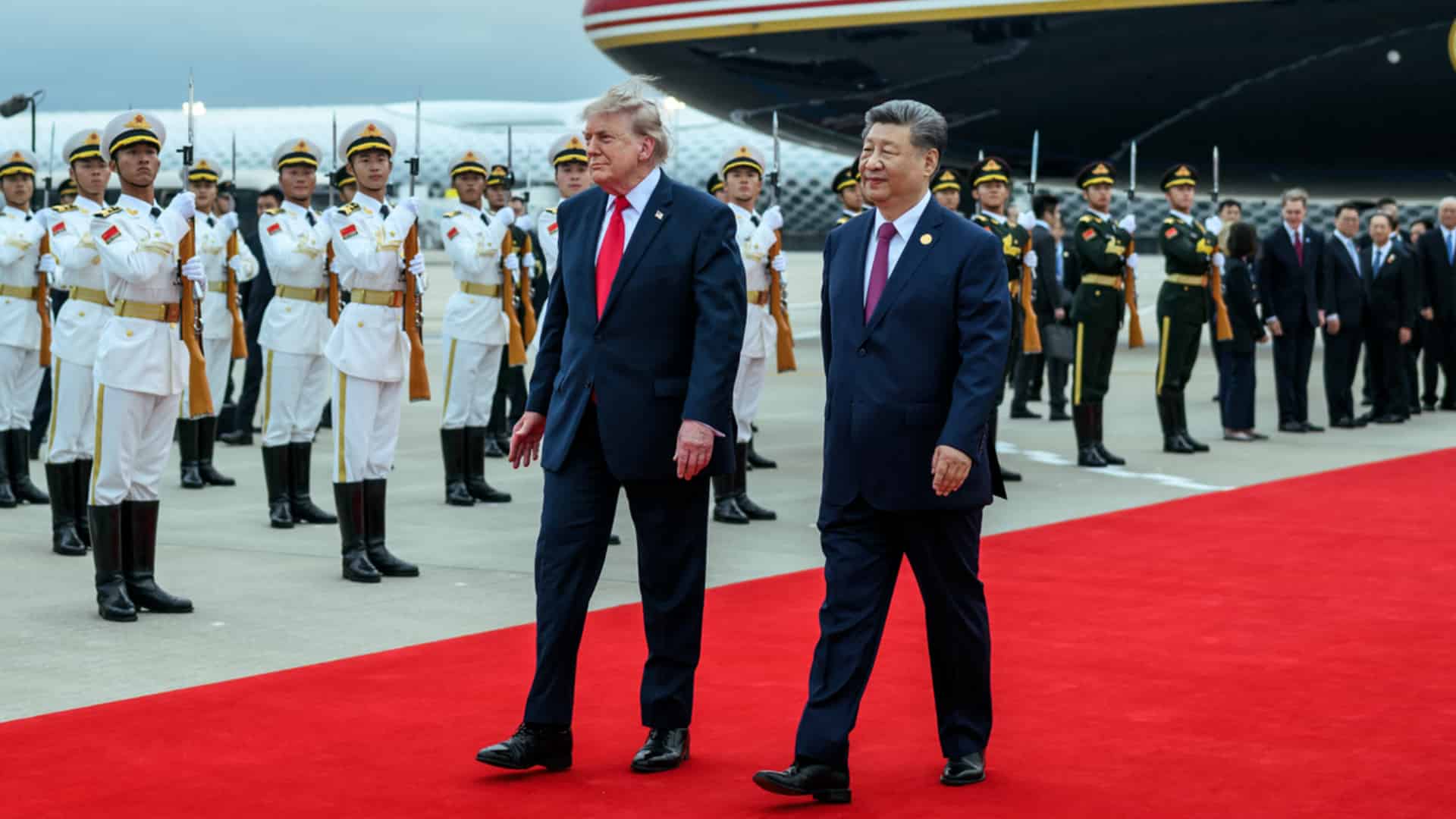
However, technological cooperation remains complicated by tensions between Washington and Beijing over advanced semiconductor exports. US restrictions on high-performance chips have become a major concern for China as it seeks to strengthen its position in the global AI industry.
Putin also called for greater unity and constructive cooperation among participating economies.
International Monetary Fund Managing Director Kristalina Georgieva pointed to continued economic growth in the region, saying APEC economies were expanding by 3.4%, while global trade was growing by 4.6%.
A historic meeting with uncertain outcomes
Founded in 1989, APEC brings together 21 economies that account for more than 60% of the world's GDP and around 40% of its population. Its main goal is to encourage economic cooperation, regional growth and freer trade. However, this goal has become harder to achieve because of political tensions, trade conflicts and global economic uncertainty.
The Shenzhen summit highlights two different sides of the situation. On one hand, Asia-Pacific countries want to work together and strengthen their economies. On the other hand, competition and tensions between major world powers are becoming stronger.
Although a meeting between Xi, Trump and Putin would be important diplomatically and symbolically, reaching a major agreement may be difficult. The three leaders have different views on nuclear weapons, the war in Ukraine, the Middle East and how global power should be shared.
For China, the main goal may not be to reach historic agreements. Instead, Beijing may want to show that it can bring the United States and Russia together while continuing to support its vision of a world where power is shared among several major countries. Xi's personal welcome for Trump, his description of Putin as an old friend and the prospect of the three leaders sitting together underline the diplomatic importance Beijing attaches to the occasion.
Read More Stories

SEBON moves closer to introducing intraday trading
The Securities Board of Nepal (SEBON) has moved a step closer to introducing...

Market falls for third consecutive day as trading turnover declines
The stock market extended its losing streak for a third consecutive session on...

Climate change, household economies, and credit repayment challenges in rural Nepal
Livelihoods in Nepals remote farming and rugged mountain settlements wake up early to...