What we do is costly! Your support will help us dig more stories.
Yes, I'm Interested!Ignorance isn't always bliss | Don't stay foolish.
Keep informed | Read our news and analysis.
Ask for a Red Bull in a Nepali shop and watch what you are handed. Sometimes it is a Red Bull. Often it is one of a dozen other gold cans, and the person behind the counter is not confused. The interesting question is whether the customer asked for a brand or used the brand name to ask for a category. Wai Wai means noodles, Xerox, a photocopy and Coke, a cold drink. It is the most valuable position any brand can hold. You stop being a choice on the shelf, and earn a place in the consumer's mind before the buying decision even begins.
That throne, and the loosening grip of the brand that first held it, is what the wave of blue is chasing.
Before the blue, though, understand the gold, because the gold is why any of this works.
The drink did not win Nepal on advertising alone. It won because it slipped into a gap in how Nepalis drink together. Picture the usual gathering. Most people are on beer or something stronger. One or two are not, whether by choice, mood, or age. Their options were juice or a cola, and in that company juice and cola looked lame, the thing you nurse when you are not quite part of the evening.
Then the gold can arrived.
It was not alcohol, but it did not look like surrender, either. It looked current. It tasted unfamiliar. And it gave non-drinkers something to hold that let them fit in without drinking alcohol. That is a real social function, and no cola was serving it.
The appeal spread beyond social gatherings. For labourers, the can became an accessible hit of refreshment during a long day. In parts of the country where even a chilled cola was still a novelty, the gold can bypassed the cola entirely and became the aspirational drink: a common man's status symbol, proof that they could afford something modern.
The demand was never merely about the liquid in the can. It was cultural, social and aspirational, and it was built long before Xtreme existed.
One distinction that matters for everything that follows. These drinks are sold as energy drinks. Whether they deliver energy in any real sense is a marketing claim, not a settled fact, and this column will not repeat the claim as if it were one. What the gold can actually offered was not simply physiological. It offered belonging without a beer and modernity in a tin. That is the appetite the market now feeds on.
Now the ban, because it is usually told wrong.
In June 2019, Nepal prohibited imports of caffeine-based energy drinks and flavoured synthetic drinks. The government cited a widening trade deficit as a reason for the measure, while health concerns also appeared in the public discussion around the ban.
The numbers require some care. Nepal spent around NRs 2.39 billion importing energy drinks in 2017/18, which explains why imported beverages had attracted the government's attention. The policy aimed to intervene on ballooning imports. It was not a prohibition on Nepalis consuming energy drinks. That distinction changed the commercial opportunity.
Red Bull entered Nepal through imports in 2010. In 2023, Nepal began local production through Saras Beverages, becoming the fourth country to manufacture the brand's gold can. The familiar product could now be made inside Nepal rather than relying solely on imported finished cans. Meanwhile, domestic manufacturers had an opportunity to serve a market whose appetite remained. Local brands began filling the shelves with cans resembling Red Bull's familiar gold packaging, rather than its globally recognisable blue-and-silver editions. The thirst was already there, deep and cultural, for all the reasons above. The policy changed the competitive conditions; it didn’t create the underlying demand.
Nor did the restriction automatically hand every customer to a Nepali brand. Consumers still had to choose the products available to them. Companies had to manufacture, distribute, price and promote those products. A can sitting in a factory does not become a brand on a shop shelf simply because the government changed the import policy.
But the opportunity was real, and some local companies decided to make the most of it.
Enter the blue.
Agro Thai Foods is the loudest of those who responded to the opportunity, with Xtreme and a second brand, Max Tiger.
The proposition is straightforward: a made in Nepal product, sold without the import duty, cross-border freight or franchise fees associated with certain imported or internationally licensed alternatives.
The liquid itself is inexpensive to formulate relative to the retail price of a can containing water, sugar or sweetener, caffeine, taurine and flavouring.
The blue can is attempting to do something more ambitious than win shelf space. It wants to become the new generic. Make a young Nepali ask for Xtreme in the way an older consumer may ask for a Red Bull.
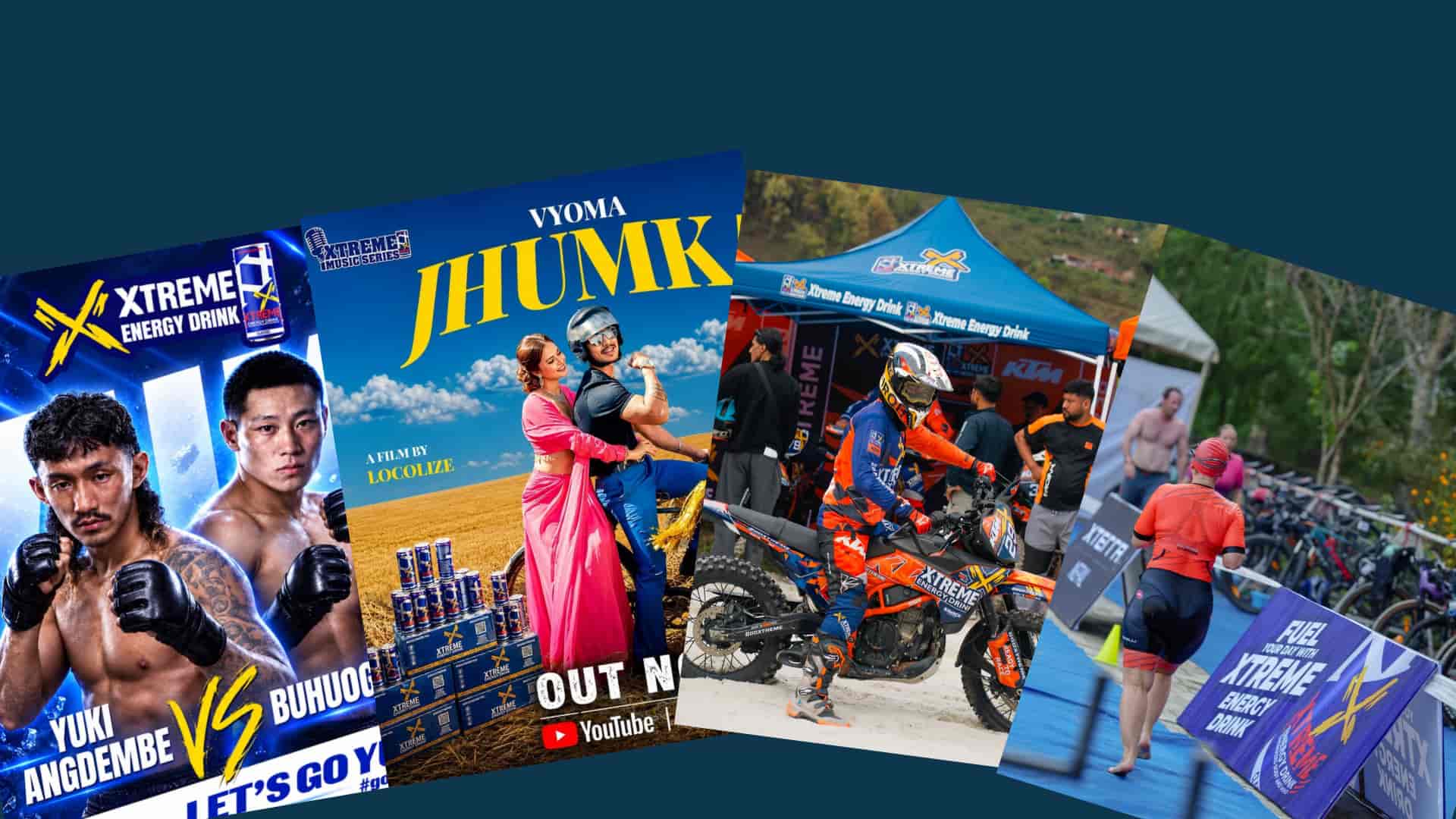
Agro has pursued brand visibility rather unusually and aggressively. While the battle of the cans has reached CAN, the cricket governing body of Nepal, the scale of Xtreme's sports marketing is worth examining.
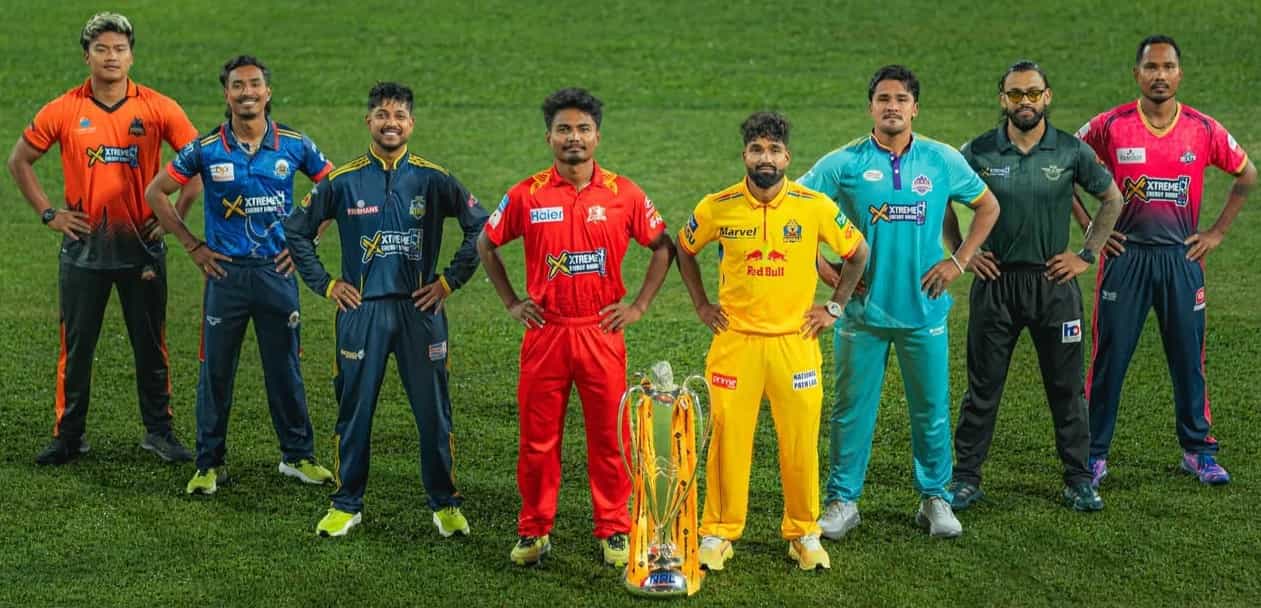
The blue brand is sponsoring seven of the eight franchises in the Nepal Premier League Season 3. It also branded seven entrance gates outside the Tribhuvan University International Cricket Ground, each carrying the identity of a sponsored team alongside its own branding.
The company became the main sponsor of the television broadcast of the ICC Men's T20 World Cup on Kantipur Max. Its wider promotional activities have included national cricket sponsorships, player associations, volleyball and digital campaigns.
This is not a company buying a few advertising slots and hoping for the best. It is attempting to make its brand part of the experience of following sport in Nepal.
The logic is straightforward. A consumer sees the can in a shop, the brand on a team jersey, its presence at a stadium, another appearance during a broadcast and yet another on a digital platform. Each exposure creates another opportunity for the brand to become familiar.
There are two jobs to be done here: the first is to make the brand easy to remember when someone thinks of an energy drink. The second is to make it easy to find when that person wants to buy one.
In marketing, these are known as mental and physical availability. One concerns memory, the other access. Xtreme appears to be investing heavily in both.
Here, the company deserves credit.
Nepali businesses regularly complain about multinational corporations with deeper pockets, established distribution systems and decades of brand-building experience. Those disadvantages are real. But Xtreme is not behaving as though the category belongs exclusively to the global players. It is making a deliberate attempt to occupy the market, repeatedly and visibly.
It does not prove the investment will pay off. We do not have the sales, profitability or independent brand-tracking data needed to declare Xtreme the winner. But the ambition is unmistakable.
Sting had PepsiCo behind it and it failed to make a dent in Nepali market. Red Bull has built a globally recognised brand around the energy-drink category. These companies have considerable resources and experience. Xtreme has chosen to compete with them in its home market by making Nepal matter. And they are fighting to dominate the entire category, a fierce, aggressive, yet apparently a legal battle for category ownership.
Here is the part worth teaching, because Nepal has reached for the category this way before, and done it beautifully.
Think back to the birth of Ncell. When TeliaSonera acquired Mero Mobile and rebranded it as Ncell in 2010, it introduced a colour that was unusual in Nepal's corporate landscape: Purple.
The campaign went well beyond changing a logo. Purple appeared on hoardings, pole banners, traffic islands and public spaces. The colour travelled into the physical environment, appearing in places where people encountered it without having deliberately chosen to watch an advertisement.
One of the most memorable executions was a village near the Manakamana cable car, where tin roofs were painted purple. From the cable car above, the colour created a striking interruption in the surrounding green landscape. For passengers looking down, the brand was not just another message competing for attention. It had become part of the view.
The campaign extended into concerts and events, including Purple Saturday. Over time, purple became strongly associated with Ncell. The colour helped people recognise the brand before they had even read its name. This is the power of a distinctive brand asset. It gives consumers a shortcut to recognition, and repeated use strengthens that association.
Laminar Tiles offers a smaller, more recent example from a different category. For an extended period, it maintained a visible outdoor presence relative to its size, supported by television, radio and digital advertising. Its approach was not limited to one spectacular campaign. It was a sustained effort to make the name familiar in a crowded market.
Daraz took a similar approach in its early years, investing heavily in making online shopping a recognisable and increasingly normal part of consumer life in Nepal. So did Esewa, IME Pay and even Shivam Cement, trying to earn green as its brand color.
These examples are not identical, and their results should not be assumed to be equivalent. But they illustrate a principle Nepali businesses sometimes underestimate: consistent visibility can help a brand become familiar enough to enter the consideration set when a purchase decision arrives.
So why does the blue campaign provoke a different reaction from the purple one?
Part of the answer is repetition. Part is context. And part is what the brand is selling.
Ncell's purple campaign was distinctive because it introduced a visual identity and repeated it across the environment. Xtreme's blue is also building recognition through repetition.
The difference is not that repetition is good in one case and bad in the other. Repetition is fundamental to building memory. The question is what is being repeated, how often, to whom and in what context.
A distinctive colour, consistently applied, can make a brand easier to recognise. But visibility alone does not guarantee preference. Consumers may notice a brand and still choose another product. They may remember the advertising without remembering the brand. They may even become irritated by the frequency.
This is the risk in a saturation strategy. The same exposure that builds familiarity can eventually produce fatigue, and even missteps, especially when the creative message adds little beyond another appearance of the logo and there’s excess supply. Signs of this fatigue and backfire are already beginning to emerge.
Yet annoyance is not proof of commercial failure either. A campaign can irritate some people, entertain others and still increase recognition among potential buyers. Without independent evidence, we cannot know which effect dominates for Xtreme.
There is, however, another difference between purple and blue.
Nobody worried about purple itself. Ncell was selling a telecommunications service. The debate around Xtreme involves a caffeinated drink, its marketing to young audiences and the health questions associated with energy-drink consumption.
That makes the context more complicated.
When a brand associates itself with a cricketer admired by teenagers, it gains access to the emotional world surrounding that sport. When its slogan suggests that water is not enough, the question becomes more than whether the advertising is memorable. It is also whether the message encourages an appropriate understanding of hydration, energy and the product's intended use.
The concern is not that a company should be prohibited from building a brand. It is that the commercial freedoms surrounding a product should be considered alongside the responsibilities that come with marketing it.
A colour can become a brand asset without creating a public-health question. A product and the way it is marketed require a different assessment.
Two things are true at once. It would be too easy to look at the blue blitz and only see excessive advertising. The money is real. Sports organisations need sponsors. Players need commercial opportunities. Broadcasters need advertising revenue. A domestic company investing in production, sponsorship and promotion can create economic activity that extends beyond its own balance sheet.
Nepali cricket has long faced resource constraints. The growth of franchise competitions creates new commercial opportunities, and brands willing to invest help make those competitions possible. The same principle applies to other sports and to media businesses that need advertisers to finance their operations. Xtreme's investment deserves to be considered in that context.
A local company is taking a category seriously, building visibility and competing for consumer attention. That is not a trivial achievement in a market where many businesses want the benefits of brand recognition without committing to sustained brand-building.
But the economic case should not end the discussion.
The 2019 restriction was intended, in significant part, to address the trade deficit. It created an opportunity for domestic manufacturing to replace imported products. Red Bull's own transition to local production shows that the story is not simply foreign brands disappearing and Nepali brands taking their place. The market has adapted.
If the policy helped create domestic manufacturing, investment and employment, those are legitimate economic outcomes to examine.
The separate question is whether Nepal's regulatory framework adequately addresses the products now being manufactured and marketed.
That requires evidence, not assumptions. What limits apply to caffeine content? What labelling requirements govern these drinks? What restrictions, if any, apply to advertising and sponsorship directed at children and adolescents? Are the rules enforced consistently across locally manufactured and imported products?
Those questions should be answered by examining the actual laws and standards in force, rather than assuming that the import restriction settled the health debate. The company should be judged by the rules that apply to it and its compliance. The state should be judged by whether those rules address the risks it intends to manage. Blaming a company for taking advantage of a market opportunity is not a substitute for examining the policy that shaped it.
So, the question is, who owns the can?
Red Bull built a powerful association with the energy-drink category in Nepal. Its name may sometimes be used more broadly than the brand itself, although the extent of that behaviour is something worth establishing rather than assuming.
Xtreme is pursuing a different ambition: to make its blue can familiar enough, visible enough and accessible enough to become a default choice for a new generation of consumers.
The Ncell story shows that a distinctive identity, reinforced consistently across the physical world, can become deeply associated with a brand. Laminar and Daraz show why sustained visibility can matter to businesses trying to establish themselves in crowded markets.
Xtreme is applying that commercial instinct to a category with an established leader, a powerful multinational competitor and a market reshaped by government policy.
Whether it succeeds will depend on more than its sponsorship deals. It will depend on whether awareness translates into preference, whether distribution supports the ambition, whether consumers buy repeatedly and whether the economics justify the investment. But the ambition itself deserves recognition.
Nepali businesses often speak of competing with multinationals as though the outcome has already been decided by the size of their respective budgets. Xtreme is making a different argument through its actions. It is treating Nepal not as a small market to be served cautiously, but as a market worth fighting for. The blue may or may not become the next default. The commercial outcome remains to be seen.
The bigger question is whether Nepal can build an environment in which domestic manufacturers compete through investment, distribution, quality and brand-building, while public policy keeps pace with the products being sold.
The battle for the can is already underway. Consumers will decide who wins. What the country learns from it should be decided by more than advertising.
Read More Stories
Imports surges 31.6% to NRs 401.52 billion as trade deficit widens
Nepals merchandise imports increased 31.6% to NRs 401.52 billion during the first two...
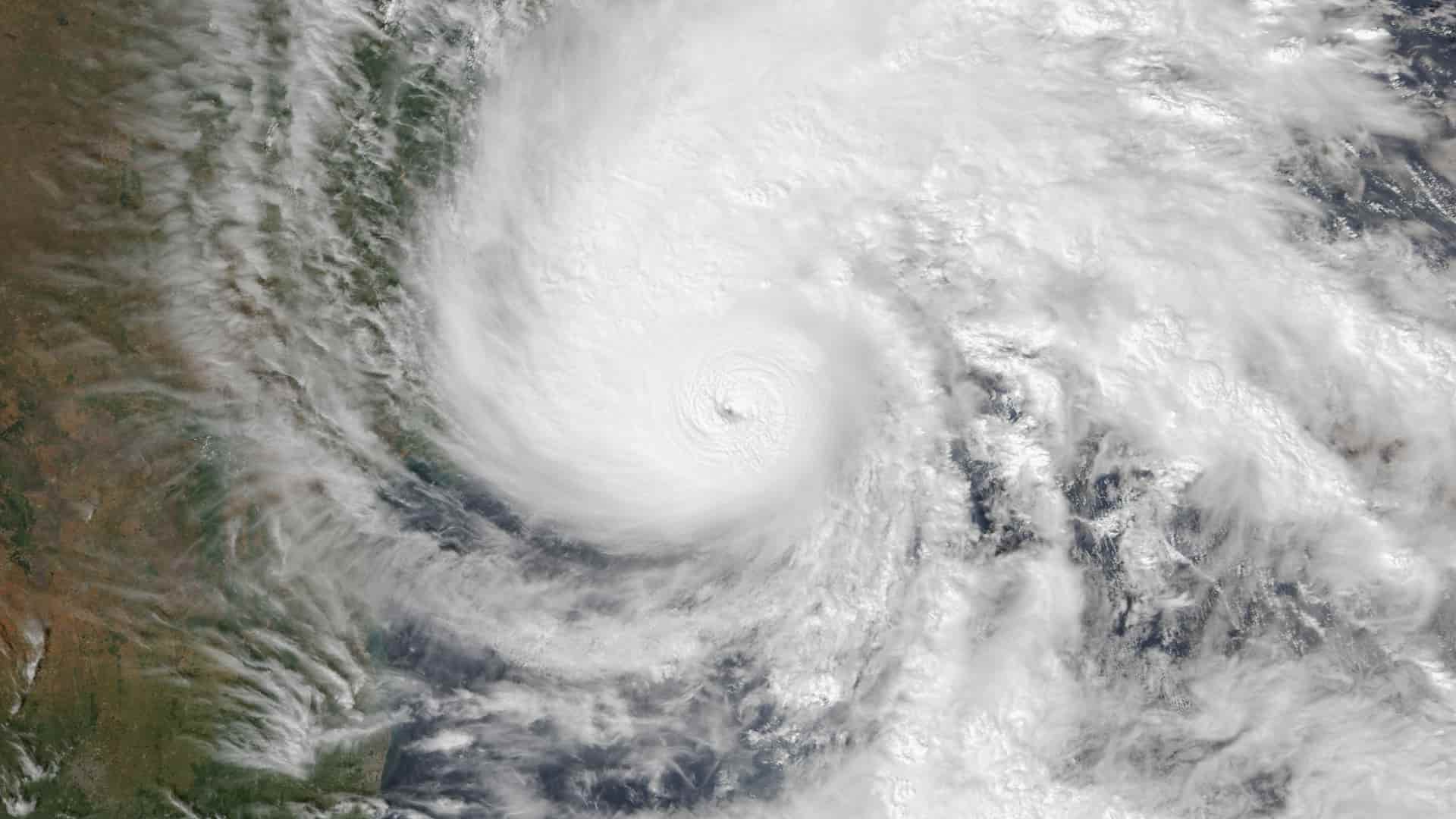
Why is the cyclone called Arnab? How storms get their names
When Cyclone Arnab approached Indias eastern coast this week, its name raised a...

NEPSE rises 33.29 points as hydropower stocks drive market rally
The Nepal Stock Exchange (NEPSE) rose 33.29 points, or 1.27%, to close at...