What we do is costly! Your support will help us dig more stories.
Yes, I'm Interested!Ignorance isn't always bliss | Don't stay foolish.
Keep informed | Read our news and analysis.
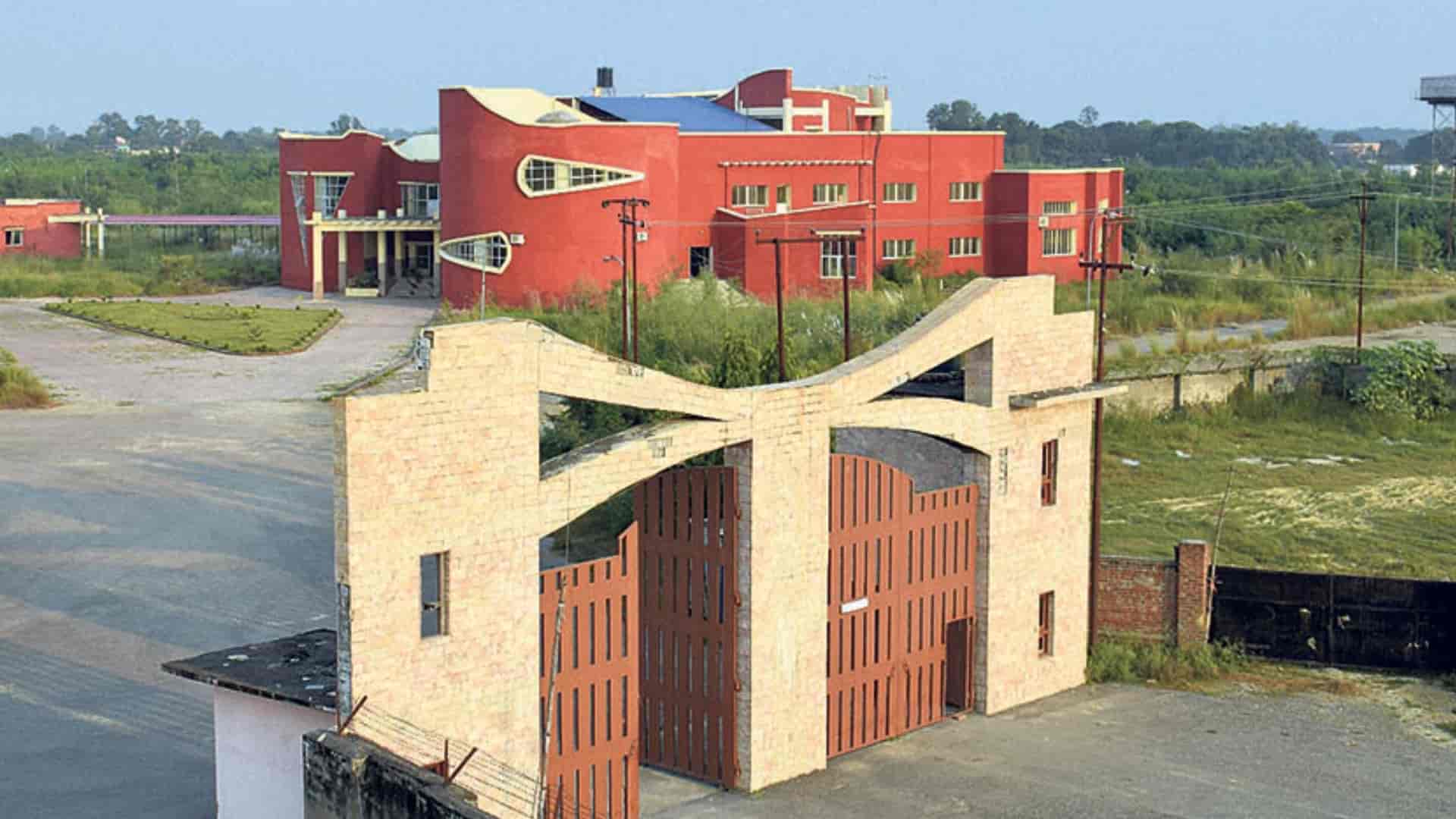
Panchakanya S.S. Export has exited Bhairahawa Special Economic Zone (SEZ) after failing to meet mandatory export requirements, with the company now dismantling infrastructure built at a cost of around NRs 40 million.
SEZ Authority Acting Executive Director Dr. Diwakar Luitel said Panchakanya was removed from the SEZ after failing to export the required share of its production under the applicable regulations. The company produces metal tanks but was unable to meet the prescribed export requirement.
Panchakanya, part of the Panchakanya Group, began producing stainless steel tanks at the Bhairahawa SEZ in March 2021, with a production capacity of around 40 tonnes per day. It initially exported steel products to India, but exports were disrupted by regulatory hurdles, including India’s Bureau of Indian Standards (BIS) certification requirements.
The export difficulties left the facility largely non-operational and eventually forced the company to exit the SEZ in September 2025. As financial pressure mounted, the company also reduced its workforce by around 75%.
Panchakanya had sought permission to sell or transfer the structure to another investor to recover part of its investment, but legal provisions governing SEZ facilities prevented the transfer. The company therefore begun demolishing the structure itself.
The company estimates it could have recovered around NRs 30 million by selling the facility intact, but expects to receive only about NRs 2 million from the dismantled structure, potentially resulting in a loss of around NRs 28 million.
The case has raised concerns among private-sector representatives over SEZ rules, with business groups arguing that infrastructure built by a private investor should be transferable to another investor when an industry shuts down.
The Bhairahawa SEZ, established around two decades ago as Nepal’s first export-oriented industrial zone, provides investors with incentives including tax concessions, customs benefits and infrastructure facilities. Operational SEZs currently include Bhairahawa and Simara, while further development is being studied in Panchkhal.
Panchakanya’s exit highlights the challenges faced by export-oriented industries operating under SEZ regulations, particularly when access to overseas markets is affected by external trade restrictions and certification requirements. The company’s case also underscores the financial consequences of rules governing the transfer or disposal of privately built infrastructure within SEZs.
(With inputs from Rastriya Samachar Samiti and The Rising Nepal)
Read More Stories
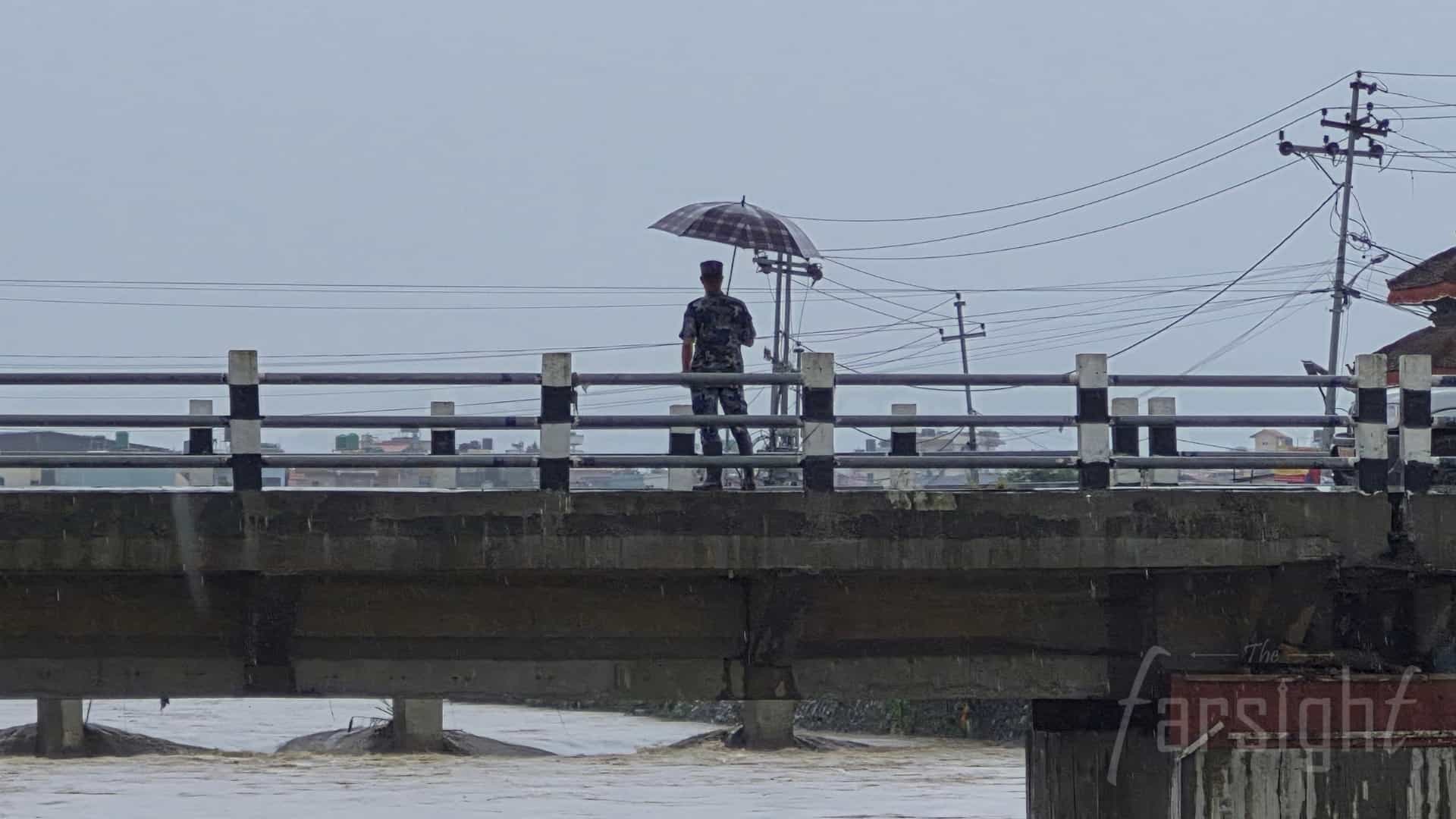
Four days of heavy rain leave 27 dead, affect 1,082 families
Four days of heavy rainfall triggered 542 disaster incidents across Nepal between September...

NEPSE falls 9.62 points as trading turnover declines
The stock market fell for a second consecutive session on Tuesday, with the...
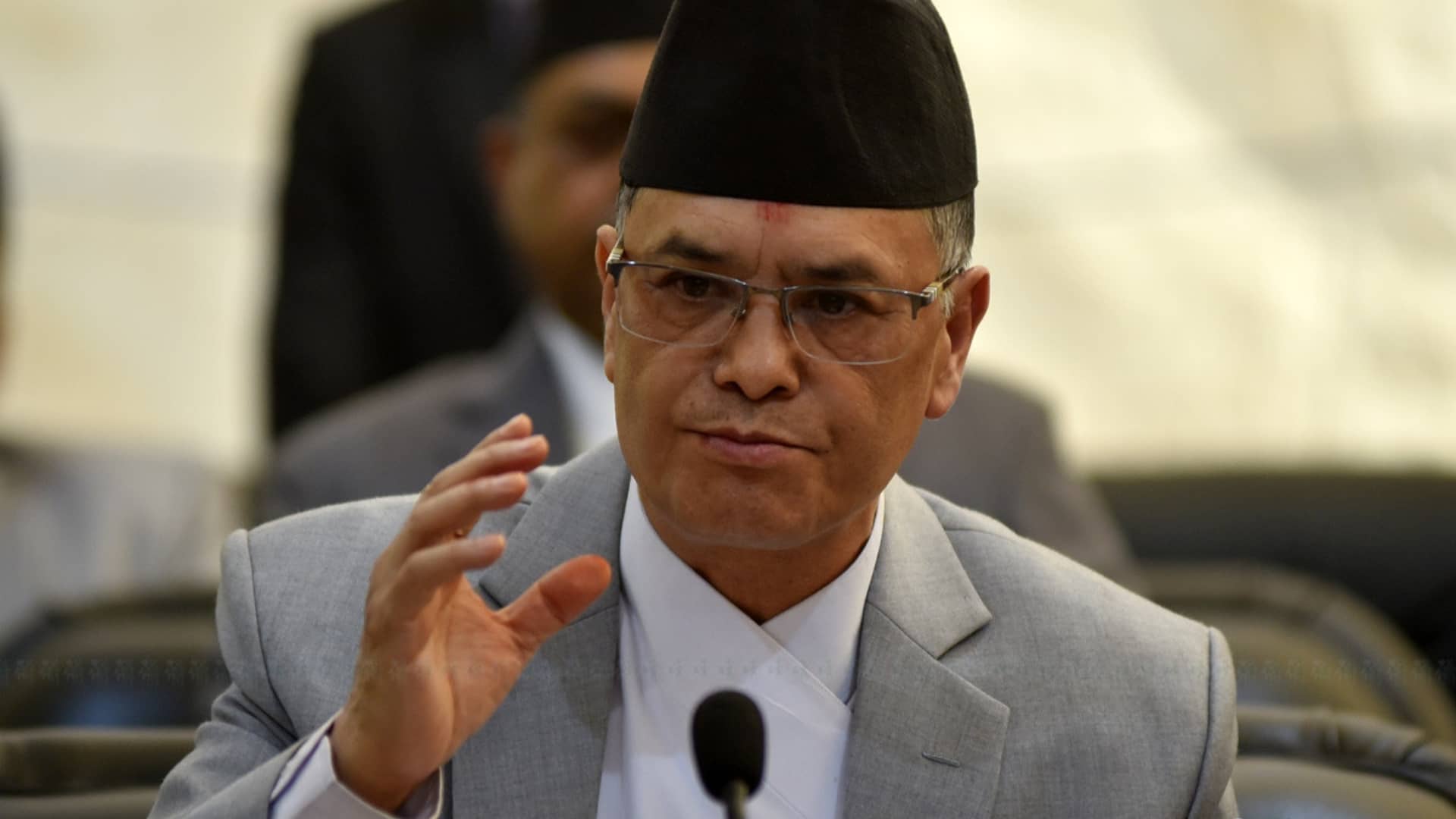
Supreme Court raises serious concern over former chief justice Rana’s detention
The Supreme Court has expressed serious concern over the detention of former chief...