What we do is costly! Your support will help us dig more stories.
Yes, I'm Interested!Ignorance isn't always bliss | Don't stay foolish.
Keep informed | Read our news and analysis.
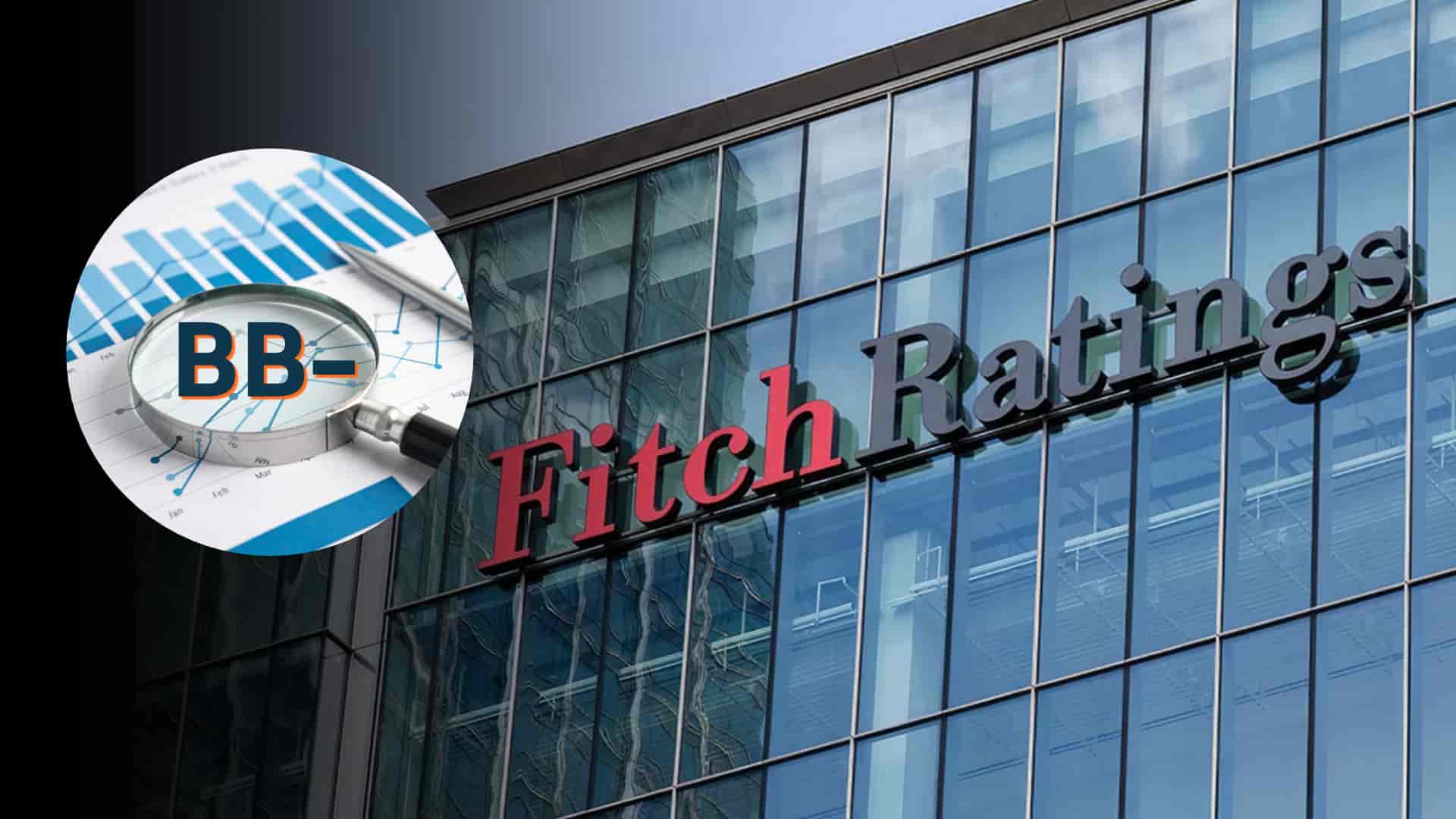
Nepal has retained its ‘BB-’ sovereign credit rating for the third consecutive year, with international credit rating agency Fitch Ratings affirming the country’s Long-Term Issuer Default Rating (IDR) with a Stable Outlook.
In its latest assessment released on November 12, Fitch cited Nepal’s relatively low public and external debt, strong foreign exchange reserves and access to multilateral financing as key factors supporting the rating.
Nepal first received the ‘BB-’ rating on November 22, 2024, followed by a second affirmation on November 17, 2025. The latest assessment maintains the same rating and stable outlook.
Long Term Foreign Currency Issuer Default Rating
The LTFC IDR here signifies the likelihood of a sovereign defaulting on its debt obligation in foreign currency to its private-sector creditors and public debt securities.
BB-credit rating: Speculative grade
The BB rating signals a substantial default risk, especially during the period of economic downturn. Yet, there is enough financial flexibility to meet the obligation. However, the investor must tread carefully, knowing the potential for both risk and return.
Fitch noted that Nepal’s strong external position, low borrowing costs and manageable debt burden provide economic resilience. The development of the hydropower sector also offers significant potential for medium-term economic growth.
Read also:
What does its first-ever credit rating mean for Nepal?
However, the agency highlighted structural challenges, including weak governance, limited institutional capacity, a fragile business environment and vulnerability to external shocks and natural disasters.
Growth Outlook
Fitch projects Nepal’s real GDP growth to slow to 3.4% in fiscal year 2026/27, down from 3.9% in FY 2025/26, largely due to the impact of devastating floods in August 2026.
The floods caused significant human and economic losses and affected more than 10% of the country’s installed electricity generation capacity. Disruptions to power generation and transmission, transportation networks, tourism and industrial activities are expected to weigh on near-term economic performance.
However, Fitch expects reconstruction and rehabilitation efforts to support an economic recovery. Growth is projected to rebound to 5.2% in FY 2027/28 as reconstruction accelerates and damaged hydropower projects and electricity transmission infrastructure are restored.
The agency also warned that delays in reconstruction, weak private-sector confidence and exposure to natural disasters could threaten the recovery.
External strength
Nepal’s foreign exchange reserves remain a major strength, according to Fitch. The agency expects reserves to cover approximately 16.4 months of current external payments in FY 2026/27 and FY 2027/28, significantly higher than the projected median of 5.2 months for countries in the ‘BB’ rating category.
Remittance inflows, which accounted for 35.8% of GDP in FY 2025/26, are also expected to remain resilient.
However, Fitch projects Nepal’s current account surplus to narrow to an average of 5.6% of GDP over the next two fiscal years, compared with 14% in FY2025/26. Rising imports for reconstruction and hydropower development, alongside disruptions to electricity exports and lower tourism receipts, are expected to contribute to the decline.
Debt and deficit
Fitch estimates that Nepal's federal government debt will increase from 45.2% of GDP in FY 2025/26 to 48.2% by FY 2027/28. Despite the increase, the figure is expected to remain below the projected median of 52.7% for countries in the ‘BB’ rating category.
The agency forecasts fiscal deficits to average 4.1% of GDP over FY2026/27 and FY2027/28, reflecting weaker revenue collection and increased reconstruction spending.
Banking risks
Fitch also raised concerns about deteriorating asset quality in Nepal’s banking sector.
Non-performing loans (NPLs) increased to 5.7% of total gross loans by mid-September 2026, while the share of watchlist loans reached 11.1% in the year to mid-April 2026.
An IMF-supported review of the country's 10 largest commercial banks has called for loan reclassification and additional provisions against potential loan losses.
Political challenges
Fitch identified weak governance, limited institutional capacity and shortcomings in the rule of law as key constraints on Nepal’s credit rating.
The agency noted that the Rastriya Swatantra Party’s parliamentary majority following the March 2026 election provides an opportunity to improve policy predictability and accelerate economic and institutional reforms.
However, Fitch warned that political instability could re-emerge if the government fails to implement credible reforms or relies excessively on ordinances to introduce policies.
Renewed political instability and persistently higher fiscal deficits could put downward pressure on Nepal’s credit rating. Conversely, significant improvements in governance, stronger economic growth prospects and a credible plan to reduce public debt could support a future upgrade.
While Nepal’s continued ‘BB-’ rating reflects its relatively strong external position and manageable debt levels, Fitch’s assessment highlights the importance of political stability, effective governance, economic reforms and stronger institutional capacity in improving the country's long-term creditworthiness.
Read More Stories
Indian national arrested at TIA with 5.5 kilos of heroin
An Indian national has been arrested at Tribhuvan International Airport in Kathmandu after...

Nepal’s mountain agenda struggles for recognition at COP31
The push to secure formal recognition of mountain-related climate vulnerabilities at the 31st...
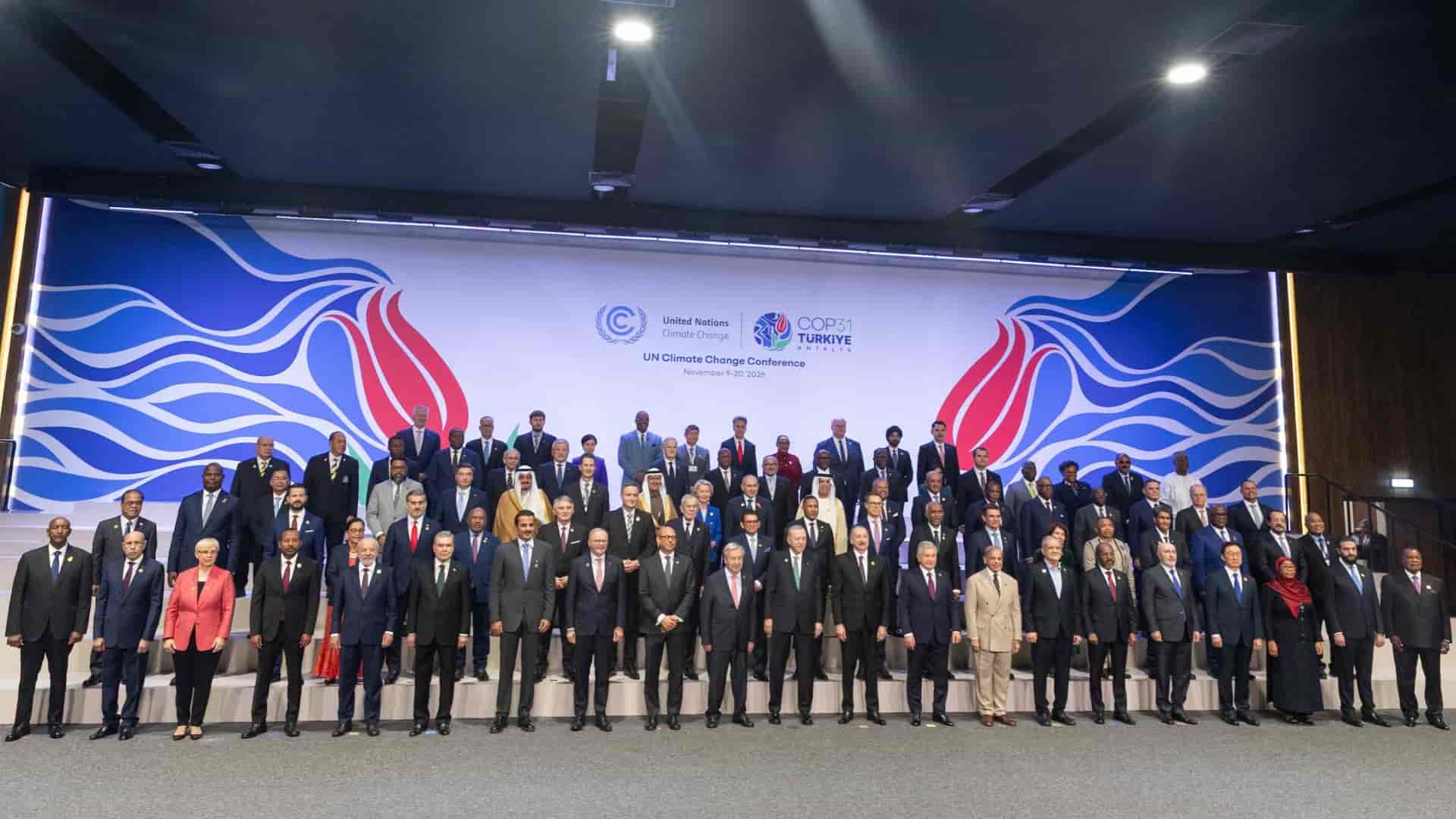
COP31 methane push gains $480 million as climate talks expose divisions
COP31 has announced more than $480 million in new philanthropic commitments to reduce...