What we do is costly! Your support will help us dig more stories.
Yes, I'm Interested!Ignorance isn't always bliss | Don't stay foolish.
Keep informed | Read our news and analysis.
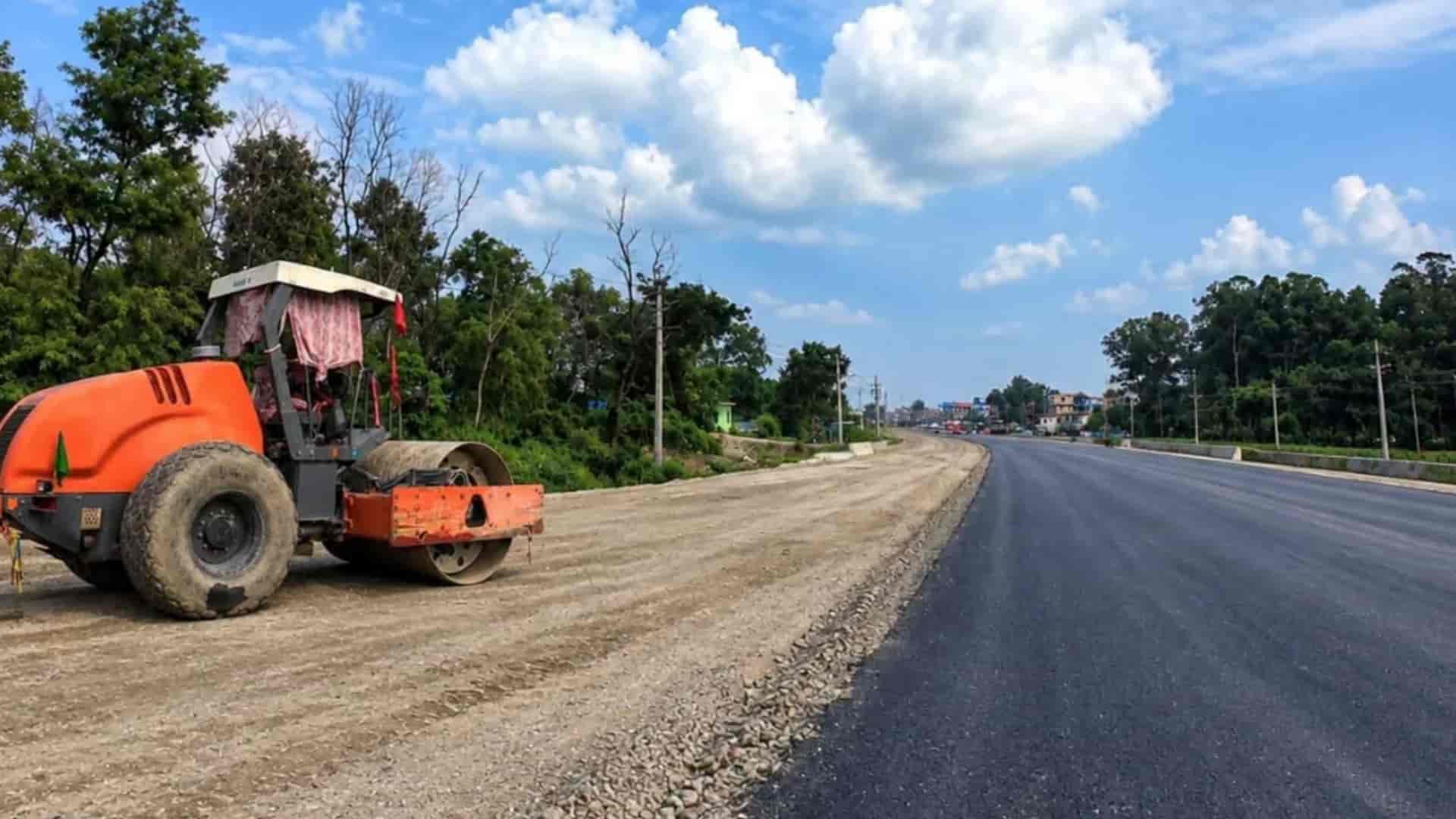
The government has spent 23.37% of its annual budget in the first four months of the fiscal year 2026/27, slightly trailing the budget execution rate recorded during the same period last year, despite an increase in total expenditure and revenue collection.
Total government expenditure reached NRs 496.52 billion by mid-November, compared with approximately NRs 468.88 billion during the corresponding period of FY 2025/26. This represents a year-on-year increase of around 5.9%.
The slower pace of overall budget utilisation comes despite an increase of approximately 8.2% in the annual budget, which rose from NRs 1,964.11 billion last fiscal year to NRs 2,124.34 billion in the current year. The budget is higher by nearly 26% compared to the revised budget of the previous fiscal year. It also exceeds the National Planning Commission’s budget ceiling of NRs 1.890 trillion by about 12.4%.
Recurrent spending accounted for NRs 346.75 billion of the total expenditure, or 27.29% of its annual allocation of NRs 1,270.59 billion. This compares with NRs 320.99 billion spent under the heading during the same period last year, marking an increase of approximately 8%.
Capital expenditure recorded a stronger year-on-year growth, rising to NRs 32.45 billion from NRs 25.31 billion in the corresponding period last fiscal year. The increase of around 28.2% pushed capital budget utilisation to 7.53%, up from 6.21% a year earlier.
However, the pace of development spending remains weak, with more than 92% of the annual capital allocation of NRs 431.11 billion still unspent by mid-November.
Spending under financial management declined to NRs 117.32 billion from NRs 122.58 billion in the first four months of FY 2025/26.
Revenue mobilisation, meanwhile, showed a notable improvement. The government collected NRs 372.72 billion in revenue during the review period, compared with NRs 326.55 billion in the same period last year, representing an increase of approximately 14.1%.
The government collected NRs 372.72 billion in total revenue (tax and non-tax) against its annual target of NRs 1,580.32 billion, achieving 23.58% of the target. This represents an improvement from the corresponding period last fiscal year, when the government had achieved 22.06% of its annual revenue target by the end of the first four months.
The government has also received NRs 8.67 billion in foreign grants, equivalent to 14.5% of the annual target.
The latest figures suggest that revenue collection and capital spending have gained momentum compared with last year. Nevertheless, overall budget execution remains slightly behind the previous year's pace, while the low utilisation of the capital budget continues to raise concerns over the implementation of development projects.
With eight months remaining in the fiscal year, the government faces the challenge of accelerating capital expenditure while maintaining the improvement in revenue mobilisation.
Read More Stories

NEPSE ends the week 7.38 points lower, loses 34 points this week
The Nepal Stock Exchange (NEPSE) remained under sustained downward pressure throughout the week,...
NRB transfers NRs 42 billion ‘dividend’ to government as cost of absorbing excess liquidity surges
Nepal Rastra Bank (NRB) has transferred NRs 42 billion to the government from...
Cabinet approves PM Shah’s India visit for November 22–23, MoFA issues official statement
The uncertainty surrounding the dates of Prime Minister Balendra Shahs maiden official visit...