What we do is costly! Your support will help us dig more stories.
Yes, I'm Interested!Ignorance isn't always bliss | Don't stay foolish.
Keep informed | Read our news and analysis.
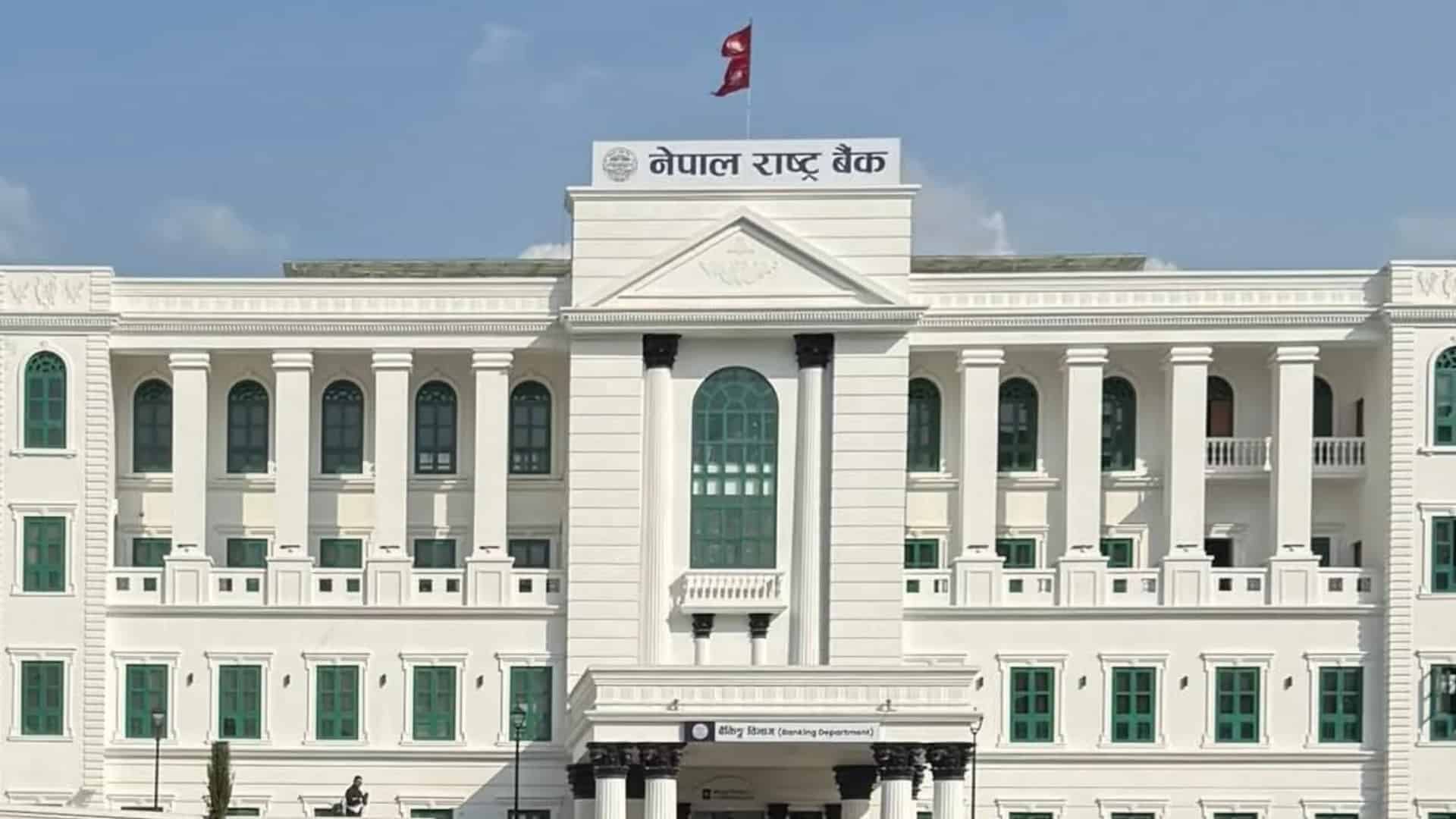
Nepal Rastra Bank (NRB) has transferred NRs 42 billion to the government from its earnings for fiscal year 2025/26, unchanged from the previous year, despite a sharp increase in its reported profit.
Although the central bank does not formally classify the payment as a dividend, the amount represents a transfer of its annual earnings to the government's account. NRB submitted its annual report to the Ministry of Finance on Tuesday.
The central bank's regular net income increased by 3.84% to NRs 83.56 billion in 2025/26, while net operating income rose by 6.48% to NRs 93.92 billion. Operating expenses stood at approximately NRs 10.35 billion.
NRB’s reported net profit more than doubled to approximately NRs 410 billion from NRs 172 billion in the previous fiscal year. The increase was largely driven by gains from the revaluation of foreign currency reserves and precious metals, rather than regular operations. Foreign exchange revaluation gains reached NRs 254 billion, while gains from gold and silver revaluation amounted to NRs 71.71 billion.
After allocating funds to various reserves, NRB’s board decided on November 15 to transfer NRs 42 billion to the government. The central bank also allocated NRs 36.50 billion to its Open Market Operations Stabilisation Fund and NRs 13.56 billion to its general reserve fund.
Central bank faces rising cost of absorbing excess liquidity
While NRB’s reported earnings increased, the cost of managing surplus liquidity in the banking system also rose sharply. The central bank spent NRs 22.13 billion in interest payments to banks and financial institutions in 2025/26 to absorb excess funds, a 145.16% increase from NRs 9.03 billion in the previous year.
The cost has risen rapidly over the past four years, from just NRs 61.2 million in 2022/23 to NRs 2.09 billion in 2023/24 and NRs 9.03 billion in 2024/25.
The main reason is a growing mismatch between deposit mobilisation and lending. Banks are collecting more deposits but struggling to find borrowers, leaving large amounts of money unused. NRB absorbs this surplus through various monetary instruments and pays interest to banks in return.
During 2025/26, NRB conducted cumulative liquidity absorption transactions worth NRs 42.52 trillion, compared with NRs 24.65 trillion in the previous year. These included NRs 3.62 trillion through deposit collection auctions, NRs 38.50 trillion through the Standing Deposit Facility (SDF) and NRs 400 billion through NRB bonds.
These are cumulative annual transactions, not the amount held by NRB at one time. The same funds may have been absorbed repeatedly as deposits matured and banks reinvested their surplus.
Interest payments on deposit collection auctions increased from approximately NRs 5.16 billion to NRs 13.31 billion. Payments under the SDF rose from NRs 3.87 billion to NRs 5.80 billion, while interest on NRB bonds amounted to around NRs 3.03 billion.
NRB offers 2.75% interest on funds deposited through the SDF, while rates on deposit collection auctions are determined through competitive bidding. Although the SDF rate was reduced from 3% at the end of the previous fiscal year, the increase in the volume of funds absorbed pushed overall interest expenses higher.
The widening gap between deposits and lending is central to the problem. According to NRB’s annual report, deposits at commercial banks grew by 14.68% in 2025/26, while credit expansion stood at just 6.60%.
Weak loan demand from businesses and other economic sectors has limited banks' ability to put their growing deposits to work. Capital adequacy constraints at some banks have further restricted lending.
As of November 11, 2026, deposits at banks and financial institutions stood at NRs 8.53 trillion, against outstanding loans of NRs 6.12 trillion. The average credit-to-deposit ratio was 70.96%, well below the regulatory ceiling of 90%. However, banks must also meet capital adequacy and other regulatory requirements before expanding lending.
By November 17, BFIs had placed approximately NRs 1.33 trillion in NRB’s liquidity absorption instruments.
On Friday, the central bank invited bids from BFIs to mop up additional NRs 200 billion from the banking system through a 28-day deposit collection auction to manage excess liquidity.
This represents a reversal from the liquidity shortages Nepal experienced following rapid credit expansion after the COVID-19 pandemic. In 2021/22, NRB injected more than NRs 97 trillion through various liquidity management instruments, including over NRs 91.70 trillion through its Standing Liquidity Facility.
The central bank introduced the SDF in February–March 2025, allowing banks to deposit surplus funds with NRB and earn interest. Previously, it relied mainly on deposit collection auctions to withdraw excess liquidity.
Under the interest rate corridor framework, NRB absorbs surplus funds to prevent market interest rates from falling below the prescribed range and injects liquidity when banks face shortages.
Read More Stories

NEPSE ends the week 7.38 points lower, loses 34 points this week
The Nepal Stock Exchange (NEPSE) remained under sustained downward pressure throughout the week,...
Cabinet approves PM Shah’s India visit for November 22–23, MoFA issues official statement
The uncertainty surrounding the dates of Prime Minister Balendra Shahs maiden official visit...

FDI inflows surge 137.9% to NRs 4.14 billion in first quarter
Nepal recorded a 137.9% year-on-year increase in foreign direct investment (FDI) inflows during...