What we do is costly! Your support will help us dig more stories.
Yes, I'm Interested!Ignorance isn't always bliss | Don't stay foolish.
Keep informed | Read our news and analysis.
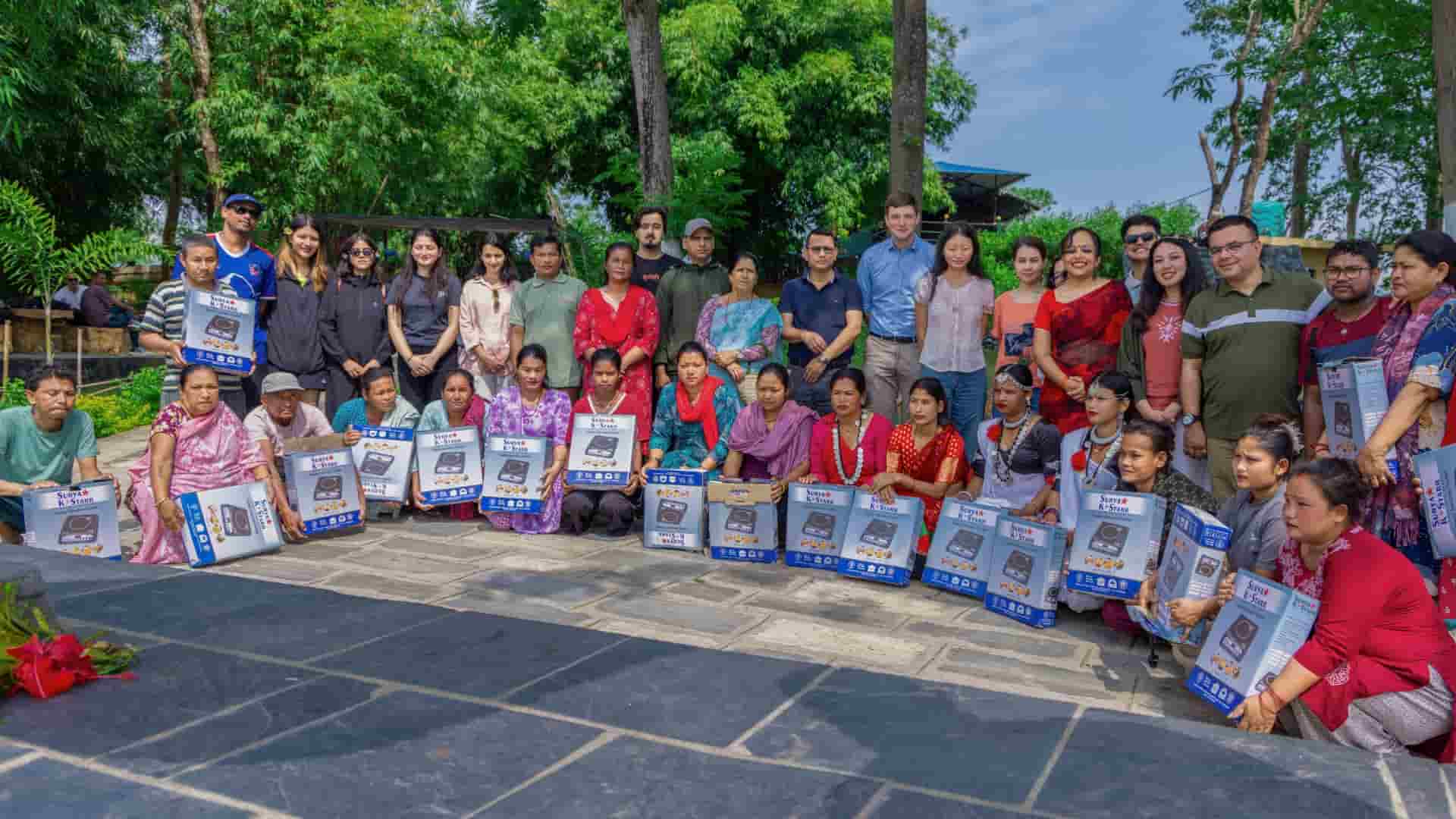
For the Bote community of Patihani in Chitwan, collecting firewood has long been part of everyday life. But entering the forests surrounding Chitwan National Park carries risks, from wildlife encounters to restrictions on accessing forest resources. As climate-related shocks and changing livelihood opportunities add to these pressures, finding alternatives to traditional energy sources has become increasingly important.
The Bote are officially recognised as a highly marginalised Indigenous nationality (Adivasi Janajati). Traditionally dependent on rivers for fishing and ferrying, many Bote households continue to rely on surrounding natural ecosystems for their livelihoods. Yet restrictions on accessing forest resources, human-wildlife conflict and limited economic opportunities have made sustaining traditional practices increasingly difficult.
Against this backdrop, Climate Action Nepal (ClimAx), a youth-led climate action organisation, initiated a clean cooking intervention in the community. Following a preliminary assessment, the organisation identified households' dependence on firewood and the health risks associated with indoor cooking over traditional stoves. Smoke and excessive heat from firewood cooking can contribute to respiratory problems and make household environments particularly uncomfortable.
With support from the Konrad-Adenauer-Stiftung, ClimAx distributed approximately 40 infrared electric stoves to households in the community.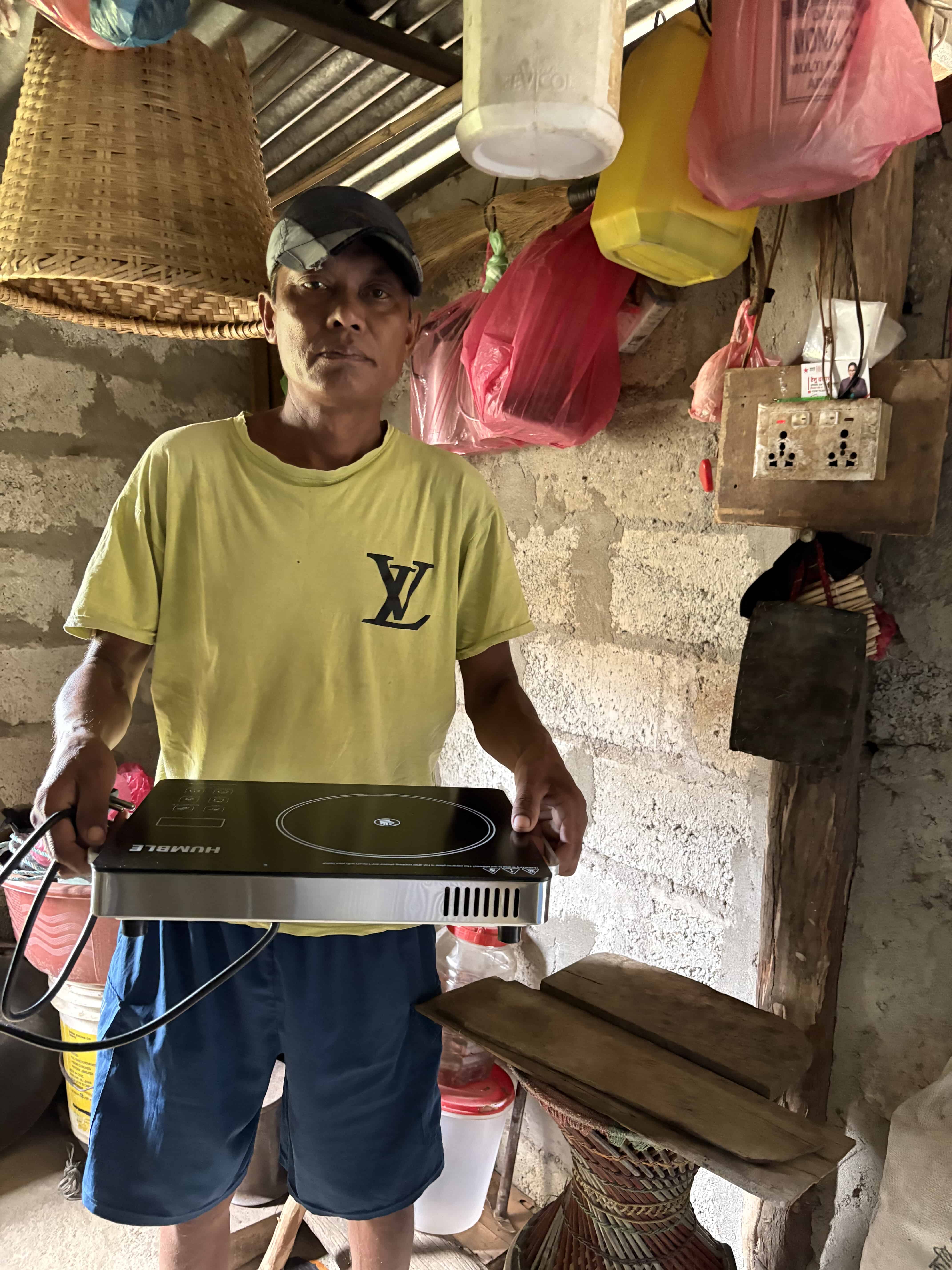
The intervention aimed to reduce dependence on firewood, improve cooking conditions and ease the pressure on forest-dependent households. By replacing firewood with electric cooking, the stoves also reduced the need for frequent trips into the forest to collect fuel. This could mean less exposure to wildlife encounters and more time for household activities and other livelihood opportunities.
But the initiative’s significance became particularly apparent when the community faced unexpected challenges.
When a fuel crisis tested resilience
Recent flooding in Nepal caused widespread disruption, damaging infrastructure, displacing communities and affecting livelihoods. The crisis also exposed vulnerabilities in household energy access, as cooking gas supplies became difficult to obtain in several areas.
Images and videos of people risking their lives to retrieve gas cylinders swept away by floodwaters illustrated how vulnerable conventional cooking fuel supplies could become during disasters.
For the Bote households with electric stoves, however, the disruption presented a different challenge. They had an alternative means of cooking when access to cooking gas became difficult. Community members even reported that other people had approached them to rent their electric stoves during the shortage.
This unexpected demand highlighted the value of diversifying household energy sources. Access to electric cooking did not eliminate the difficulties caused by flooding, but it gave participating households an additional option when conventional fuel supplies were disrupted.
There may also have been an environmental benefit. Without an alternative to cooking gas, households could have turned to firewood, potentially increasing pressure on nearby forests. By having access to electric stoves, participating households had less reason to increase their dependence on forest resources during the disruption.
An emerging threat from the forest
Another development around the same period raised concerns about the community’s safety.
The death of an old wild elephant, reportedly known for keeping more aggressive younger males away from the settlement, raised fears of increased human-wildlife encounters. For a community whose members regularly enter the forest to collect firewood and fodder, such changes in wildlife behaviour can create additional risks.
The electric stoves were not introduced as a human-wildlife conflict intervention. Nevertheless, reducing the frequency of firewood collection can also reduce opportunities for potentially dangerous encounters.
This is an important, if indirect, connection between clean cooking and community safety. Stoves cannot prevent elephants from entering settlements or eliminate the risks associated with living alongside wildlife. But by reducing one reason for frequent forest visits, they offer households an additional layer of protection.
Resilience beyond the kitchen
The experience of the Bote community demonstrates how a relatively small intervention can contribute to resilience in ways that extend beyond its original objectives.
The distribution of 40 electric stoves aimed to address everyday challenges: indoor air pollution, excessive heat, and dependence on firewood. Yet the benefits became more apparent when households faced disruptions in conventional fuel supplies and growing concerns about human-wildlife encounters.
The intervention also points to a broader lesson about climate adaptation. Communities that depend heavily on natural resources are often exposed to multiple, interconnected risks. Addressing just one source of vulnerability can sometimes help them navigate others.
Electric stoves alone cannot resolve the structural challenges facing the Bote community. Reliable electricity, affordability, access to alternative livelihoods and the protection of traditional rights remain equally important. Nor can a small distribution programme substitute for wider efforts to address human-wildlife conflict and the pressures faced by forest-dependent communities.
But it can provide an important starting point.
Forty stoves may seem modest in scale, but for the households using them, they represent more than an alternative way to cook. They offer greater flexibility in the face of disruption, reduce reliance on forest resources and create room for safer, healthier household practices.
Sometimes, building resilience begins with a small change in everyday life. Its significance becomes clear when the unexpected happens.
Disclaimer: The author of this article is Auaffiliated with the organisation featured in the story. Its publication does not constitute an endorsement of the initiative by the publication, nor should it be interpreted as an independent assessment of its impact.
Read More Stories
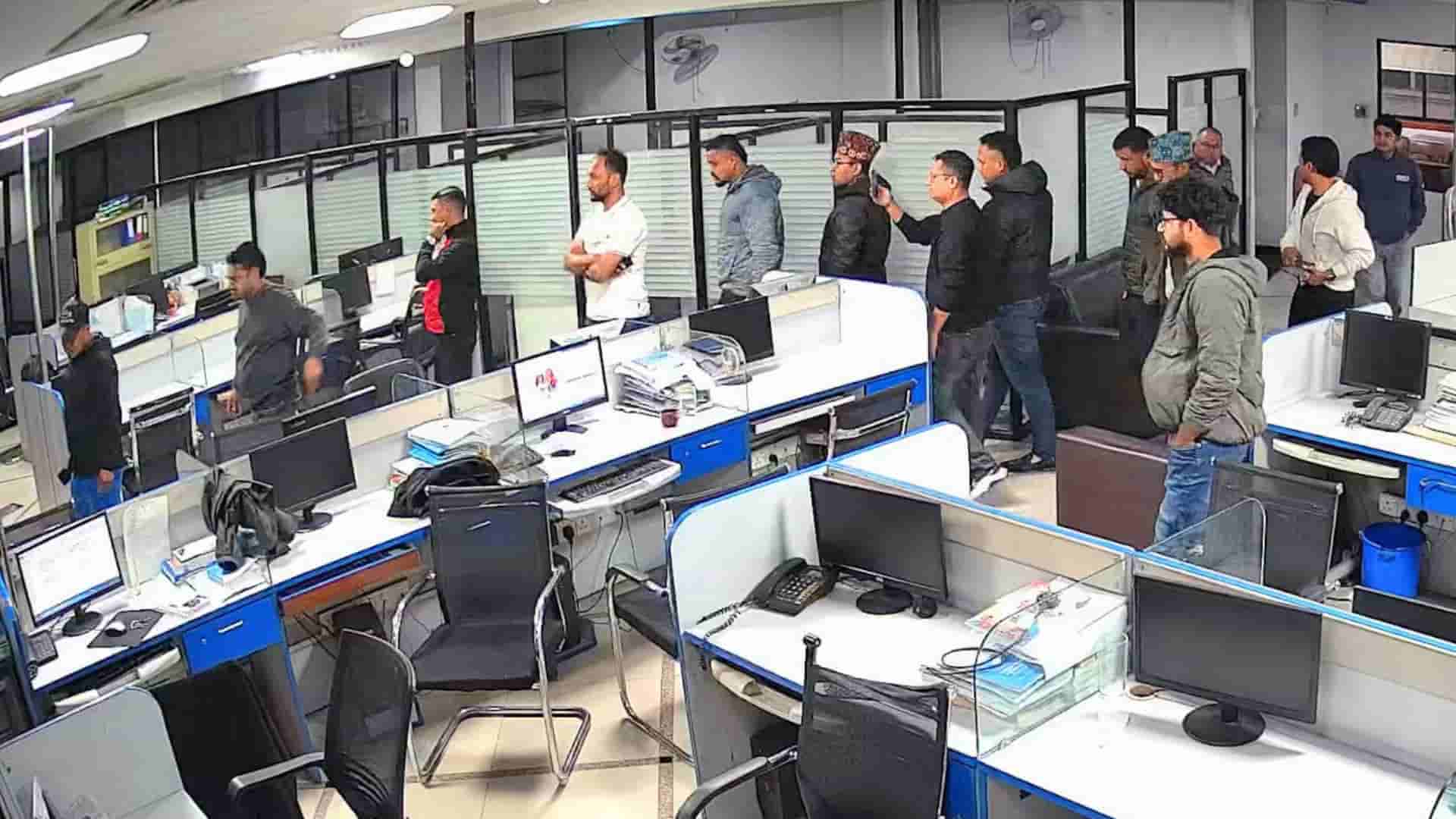
Friday evening democracy: When the state acts and the courts go home
The police arrived at newsrooms on Friday afternoon. They searched offices, questioned journalists...
Public debt crosses three trillion, government raises 123 billion in loans in Q1
The countrys total public debt has crossed NRs 3 trillion by reaching NRs...

About a year ago, the idea that speculative investment has created an AI...