What we do is costly! Your support will help us dig more stories.
Yes, I'm Interested!Ignorance isn't always bliss | Don't stay foolish.
Keep informed | Read our news and analysis.
West Asia Conflict | US-Iran War | Diplomatic Negotiations | Energy Security
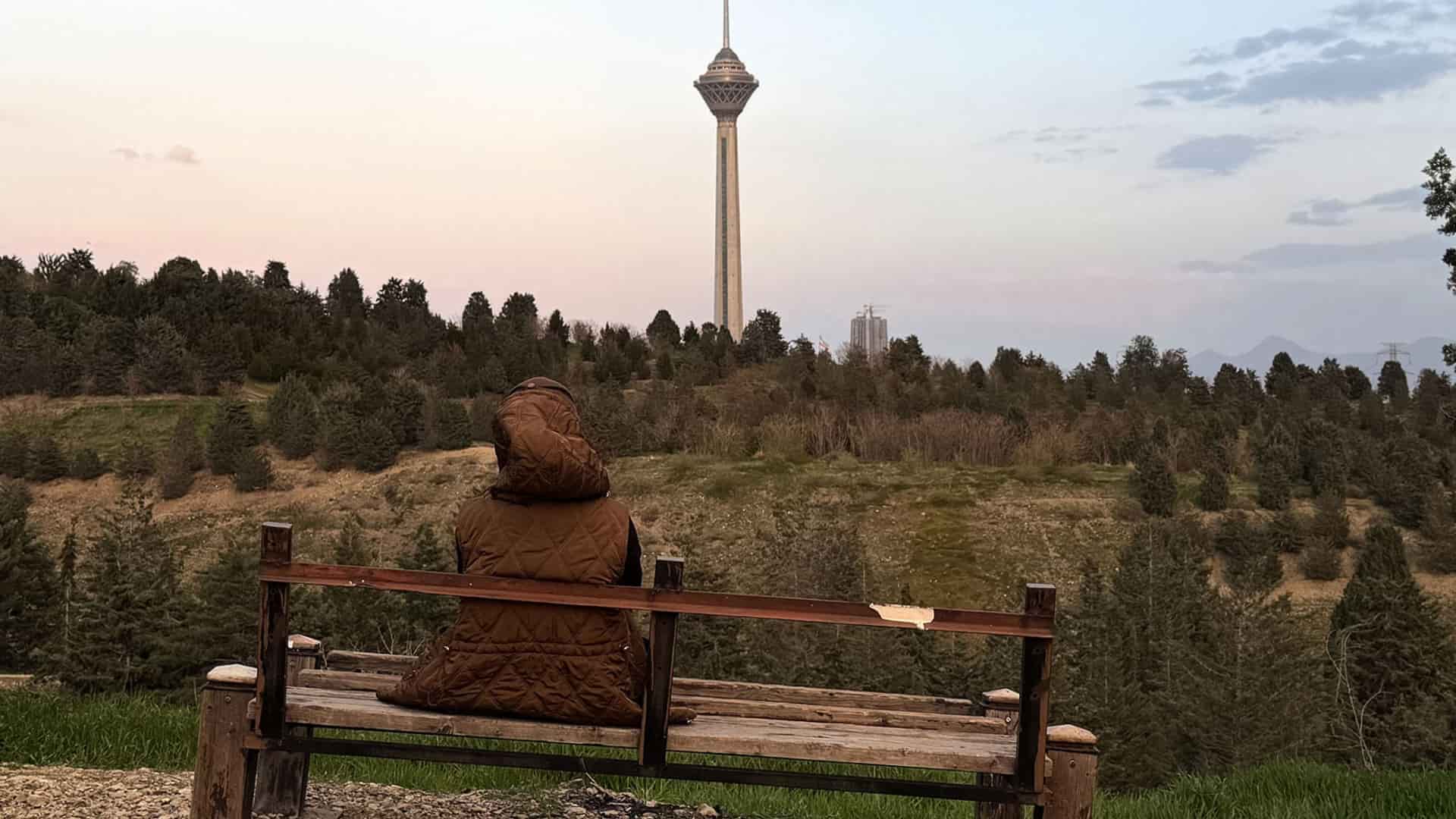
A war that had edged dangerously close to a wider regional escalation has, for now, been paused.
The United States and Iran agreed to a two-week ceasefire early Wednesday (Nepal Time), less than an hour before US President Donald Trump’s deadline to launch what he had warned would be devastating strikes on Iranian infrastructure. The agreement hinges on Iran reopening the Strait of Hormuz and halting attacks across West Asia.
The truce followed last-minute mediation efforts led by Pakistan, which is set to host negotiations between the two sides starting Friday in Islamabad. But even as the ceasefire was announced, missile alerts and strikes continued across parts of the Gulf, underlining how tenuous the pause remains.
A deal shaped by deadlines
Trump’s decision marked a sharp reversal. Hours earlier, he had threatened strikes on Iran’s bridges and power plants that could “destroy” the country’s infrastructure. Instead, after consultations with Pakistani leadership, Washington agreed to suspend offensive operations for two weeks.
Tehran, in turn, said it would allow safe maritime passage through Hormuz during the period, though under Iranian military coordination. The waterway, through which roughly a fifth of global oil flows, had been effectively paralysed during weeks of fighting, sending energy prices soaring and disrupting global trade.
Markets responded immediately. Oil prices dropped sharply, while stock markets across Asia rose, reflecting relief at the temporary easing of tensions.
Confusion over scope and terms
Despite the announcement, the scope of the ceasefire remains contested.
Israeli PM Benjamin Netanyahu said Israel supports the truce but clarified that it does not extend to Lebanon, where fighting with the Iran-backed group Hezbollah continues. This contradicts earlier claims by Pakistan’s prime minister that the ceasefire would apply “everywhere.”
The disagreement points to a broader issue: while the US and Iran have paused direct escalation, regional lines of conflict remain active.
Talks ahead, but trust remains thin
Both Washington and Tehran say negotiations will begin in Islamabad, with the aim of reaching a longer-term settlement. Yet both sides are also claiming victory.
The White House has framed the ceasefire as a strategic success after degrading Iran’s military capacity. Iran’s Supreme National Security Council, meanwhile, described the outcome as a “historic victory,” insisting it had forced the US to accept its framework for negotiations.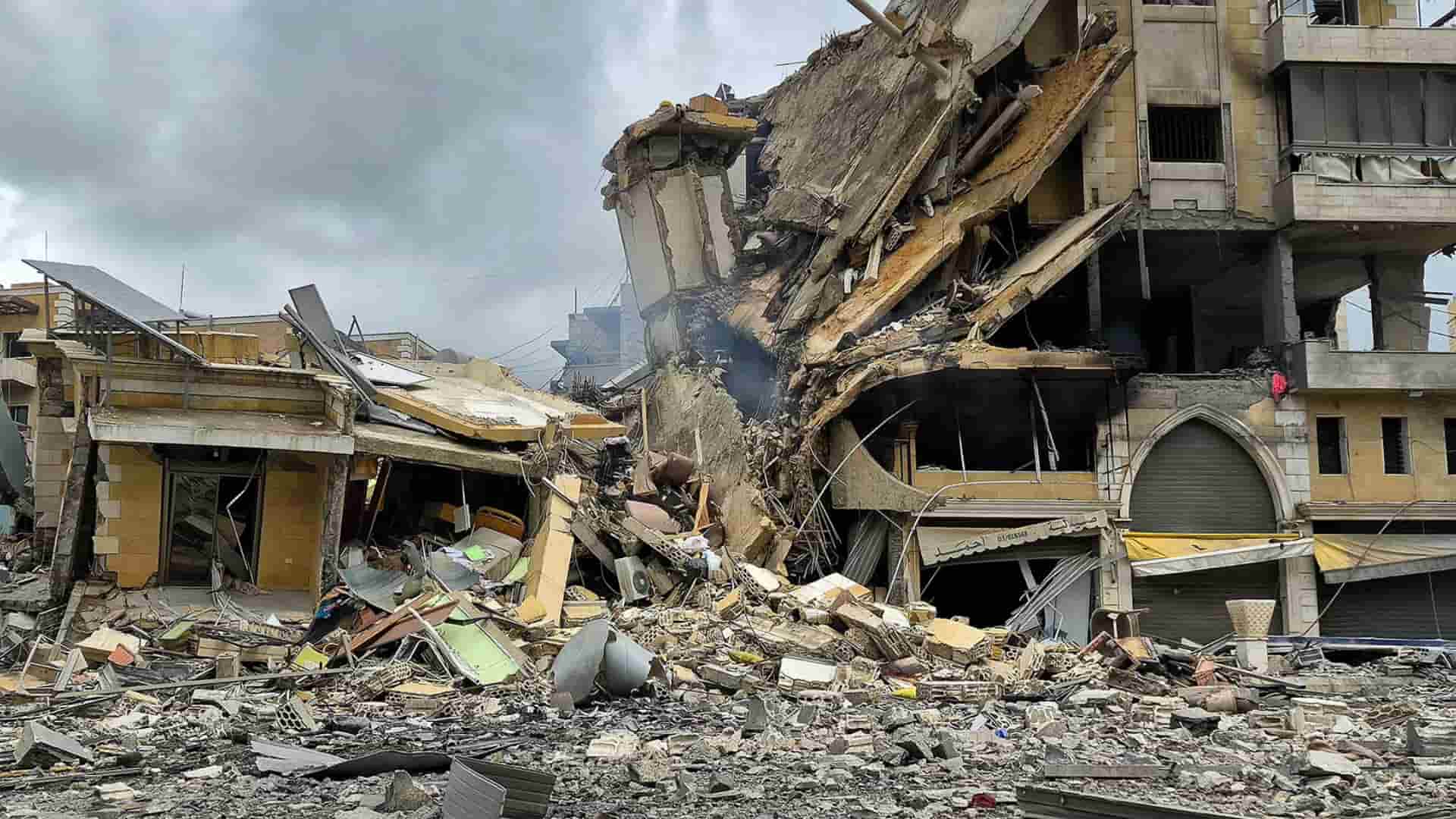
That framework is Iran’s 10-point proposal, a document that now sits at the centre of the next phase of talks. Iran’s proposal outlines sweeping conditions for ending the war. Among them:
The last point has already generated controversy. Different versions of the proposal circulated by Iran reportedly omitted or included explicit references to uranium enrichment, raising questions about how the terms are being presented internationally.
For Washington, dismantling or limiting Iran’s nuclear programme has been a central objective of the war, making this demand particularly contentious.
War’s toll and global stakes
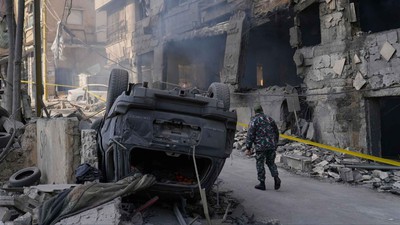
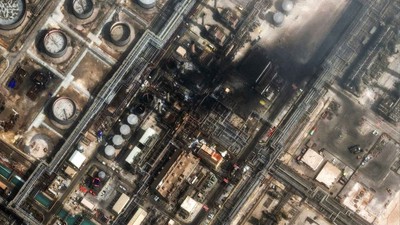
The ceasefire comes after more than a month of fighting that has killed thousands across the West Asia region, including in Iran, Lebanon, and Gulf states. Critical infrastructure, from bridges and railways to oil facilities, has been repeatedly targeted.
The conflict has also exposed the fragility of global economic systems tied to the Gulf. Even countries far from the battlefield have felt the impact.
For Nepal, which relies entirely on imported fuel, disruptions in Hormuz translated quickly into higher energy costs and inflationary pressure. The likely drop in oil prices will offer temporary relief, but sustained stability depends on whether the ceasefire holds. Meanwhile, the temporary pause comes as a sigh of relief for millions of Nepalis working in the region and their families back home.
Diplomacy under pressure
Efforts at the United Nations Security Council have so far failed to produce a consensus. A resolution aimed at reopening Hormuz was vetoed by Russia and China, reflecting broader geopolitical divisions over the conflict.
Meanwhile, countries from South Korea to Australia have welcomed the ceasefire but warned that significant work remains to secure a lasting peace.
A narrow window
For now, the ceasefire has created space for diplomacy, but only just.
Iran has made clear that the talks are meant to finalise terms, not reset them, while US officials have described the 10-point plan as a “workable basis” but not an agreement.
With fundamental disagreements over sanctions, military presence, and nuclear policy still unresolved, the next two weeks will determine whether this truce becomes a turning point or merely a pause before further escalation.
(With inputs from agencies via RSS)
Read More Stories

Nepal needs to repeat to brand itself
Last year Nepal's goods exports jumped 81.8% to NRs 277.03 billion. That is...

Banking stocks gain momentum as dividend season begins
Dividend announcements by banks and financial institutions (BFIs) for fiscal year 2025/26 have...
Nepal’s challenge of building strong democratic institutions
Over the past few decades, institutional dysfunction and massive dissatisfaction with political establishments...