What we do is costly! Your support will help us dig more stories.
Yes, I'm Interested!Ignorance isn't always bliss | Don't stay foolish.
Keep informed | Read our news and analysis.
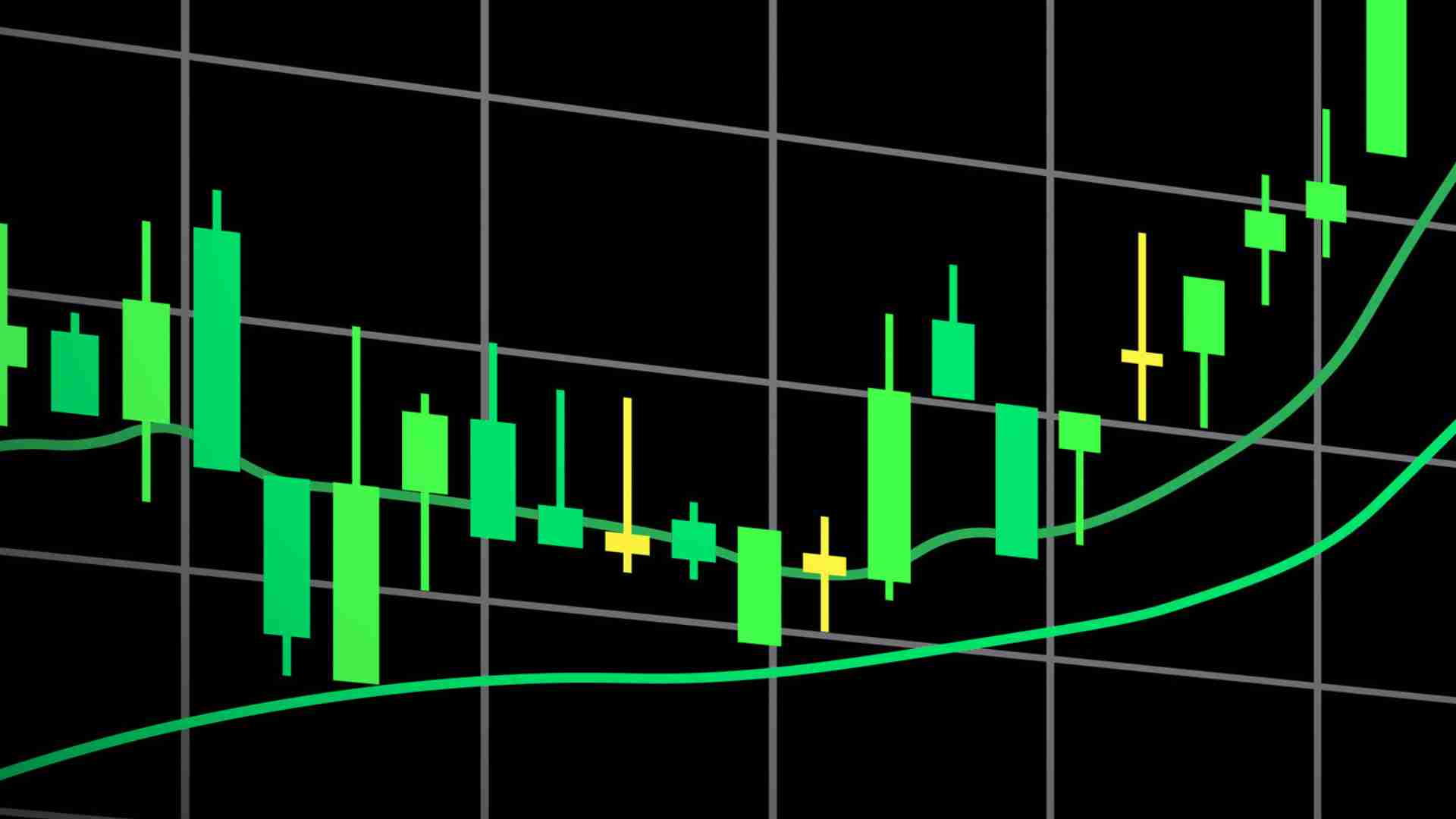
The stock market ended the week with a marginal gain, as the NEPSE index rose 1.63 points to close at 2,702.11 on Friday. The market remained largely range-bound throughout the session, continuing a recent trend of volatility.
Despite the slight increase in the benchmark index, trading activity strengthened significantly. Total turnover climbed to around NRs 4.53 billion, up from approximately NRs 3.41 billion in the previous session.
Market breadth, however, remained mixed. Out of the traded stocks, 116 companies advanced, 140 declined, and 17 remained unchanged, reflecting a slightly negative tone in individual stock performance even as the index posted a modest gain. During the day, the index moved between 2,692 and 2,711 points, highlighting limited directional momentum.
Sector-wise performance showed a balanced trend. Gains in finance, hydropower, investment, life insurance, manufacturing and processing, microfinance, and trading sectors helped support the market. On the other hand, banking and several sub-sectors including development banks, hotels and tourism, and non-life insurance saw mild declines. Overall, sectoral movements remained contained within a narrow range of less than 1%.
Among individual stocks, Apollo Hydro Power recorded a strong performance, hitting a near 15% positive circuit and closing at around NRs 916 per share. Sopan Pharmaceuticals also surged by about 14–15%, reaching approximately NRs 1,060 per share.
In contrast, Bungel Hydro Power declined by 12.45%, while Atmanirbhar Laghubitta fell by around 10.21%. Several other microfinance and development banking stocks also witnessed pressure during the session.
Hydropower and financial sector stocks remained active in terms of trading volume, with United Modi Hydropower and Ankhukhola Hydropower among the most traded securities of the day.
Meanwhile, Finance Minister Swarnim Wagle reiterated that the government is focused on long-term capital market reforms rather than short-term index movements. Speaking in Parliament, he said, “We do not look at whether the index goes up or down every hour; we are working on long-term, far-reaching policies for generations.” He added that investigations into past irregularities in the securities and insurance sectors are ongoing and that efforts are being made to strengthen investor confidence and market governance.
Addressing concerns about market sentiment, he acknowledged that investors are currently facing uncertainty, stating, “Because of ongoing investigations and regulatory tightening in the insurance and securities sectors, some investors may feel they themselves could come under scrutiny, which has created a sense of hesitation and fear in the market.”
He further stated that as budget targets begin to translate into results, the private sector will move forward with greater enthusiasm, adding that although there is currently a situation of weak confidence and a crisis of trust, the private sector is expected to flourish once these issues improve.
Read More Stories

Sino-American stability without trust
At the recent summit between US President Donald Trump and Chinese President Xi...

NEPSE makes a modest gain of 2.31 points
The Nepal Stock Exchange (NEPSE) recorded a modest gain of 2.31 points (0.09%)...
VAT on electricity raising business costs, says FNCCI calling for withdrawal
The Federation of Nepalese Chambers of Commerce and Industry (FNCCI) has urged the...