What we do is costly! Your support will help us dig more stories.
Yes, I'm Interested!Ignorance isn't always bliss | Don't stay foolish.
Keep informed | Read our news and analysis.
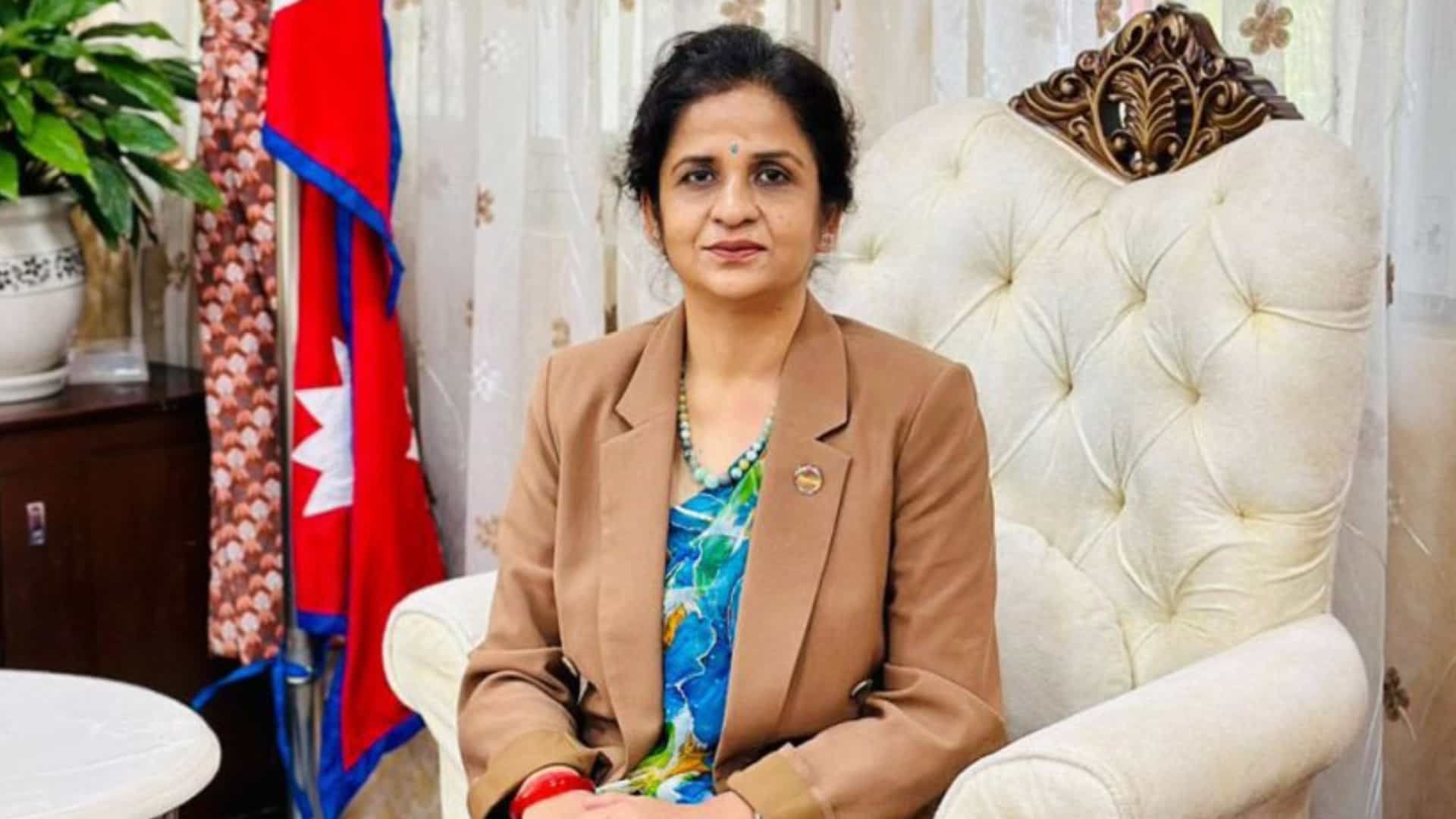
Industry Minister Gauri Kumari Yadav resigned Thursday, a day after blaming LPG companies for a severe cooking-gas shortage and calling for the licenses of all 58 gas producers in the country to be revoked.
Yadav submitted her resignation to Prime Minister Balendra Shah, according to the prime minister’s press facilitator, Surendra Bajgain.
Her departure came after she made the remarks during a meeting of the House of Representatives Industry Committee on Wednesday, as consumers across the Kathmandu Valley struggled to find cooking gas.
“The current gas shortage has been caused by the industrialists,” Yadav told lawmakers, adding that the shortage would not ease until the government “brought the gas industrialists to heel.”
She also argued that Nepal did not need its 58 existing LPG companies. “The country does not need so many gas industries. Two would be enough,” she said.
She further blamed her ministry bureaucrats and government employees alleging them of non-cooperation, obstructing legal reforms and revisions favorable to resolving the supply chain hurdles.
The remarks triggered an immediate backlash from gas producers and the business community.
Consumers wait for hours as prices surge
The minister’s comments came as the capital faced one of its most serious LPG shortages in recent months.
Consumers have been forced to queue for hours to obtain a cylinder, with many leaving without supplies. Those able to find gas have reportedly paid as much as NRs 3,000 for a cylinder officially priced at NRs 2,060.
The shortage has also raised questions over the government’s supply figures. The Nepal Oil Corporation and the Industry Ministry have continued releasing data showing LPG entering the market, but consumers say official figures do not match conditions at distribution points.
Read also: Flood damage disrupts LPG supply to Kathmandu, commercial users asked to arrange their own refills
The government has struggled to explain why reported supplies have not translated into reliable availability for households.
Floods and damaged highways disrupt deliveries
Gas suppliers say the shortage cannot be blamed solely on LPG companies.
Flooding and landslides have damaged sections of the Prithvi Highway, a critical supply route connecting Kathmandu with major industrial and distribution centers. The Krishnabhir section was damaged after flooding along the Trishuli River, disrupting tanker movement into the capital.
Suppliers have been using alternative routes, including the Hetauda corridor, while deploying additional vehicles and paying higher transportation costs to keep LPG moving.
Industry representatives say they have been working through the disruptions to prevent households from running out of cooking gas.
Industry rejects accusations
The Nepal LPG Industry Association described Yadav’s remarks as irresponsible and inappropriate, saying companies had continued serving consumers for more than five decades, including during previous disasters.
The association said the current shortage had several causes, including government policy decisions and transportation disruptions.
It pointed to the earlier decision to sell 7.1-kilogram half-filled cylinders, initially intended to last about 15 days but extended for several months. When full-cylinder sales resumed, demand increased sharply.
The association said it had repeatedly asked the Nepal Oil Corporation to restore full-cylinder sales and review the policy.
It also said any company proven to have deliberately created an artificial shortage should face legal action, but argued that blanket accusations against the industry were unjustified.
Business groups condemn minister’s comments
The Federation of Nepalese Chambers of Commerce and Industry (FNCCI) also criticised Yadav, saying her comments could undermine confidence in the country’s private sector.
The federation said businesses should not be collectively blamed for shortages caused by a combination of policy decisions, natural disasters and transport disruptions.
It also rejected Yadav’s suggestion that Nepal should reduce its LPG industry to only two companies, arguing that the government should focus on regulation and creating a competitive business environment.
The FNCCI said private businesses had continued supporting the government during disasters by helping with relief operations and maintaining supplies of essential goods.
The dispute escalated as the Prime Minister’s Office became directly involved in managing LPG supplies.
After Yadav’s remarks, Bishal Adhikari, a member of Shah’s secretariat, summoned representatives of the LPG industry for discussions. Nepal LPG Industry Association President Diwan Chand and former presidents Shiv Prasad Ghimire and Gokul Bhandari attended.
Yadav’s resignation removes the immediate political flashpoint, but it does not resolve the LPG shortage.
The episode has exposed deeper problems in the management of essential commodities, including conflicting supply policies, weak coordination among government agencies and growing mistrust between officials and private-sector suppliers. Additionally, current ministers and lawmakers from the ruling party have continued to employ intimidating and threatening rhetoric, including toward members of the media, senior police officials, and contractors.
Read More Stories

Market falls after four-day rally
The stock market ended lower on Wednesday, snapping a four-session winning streak as...
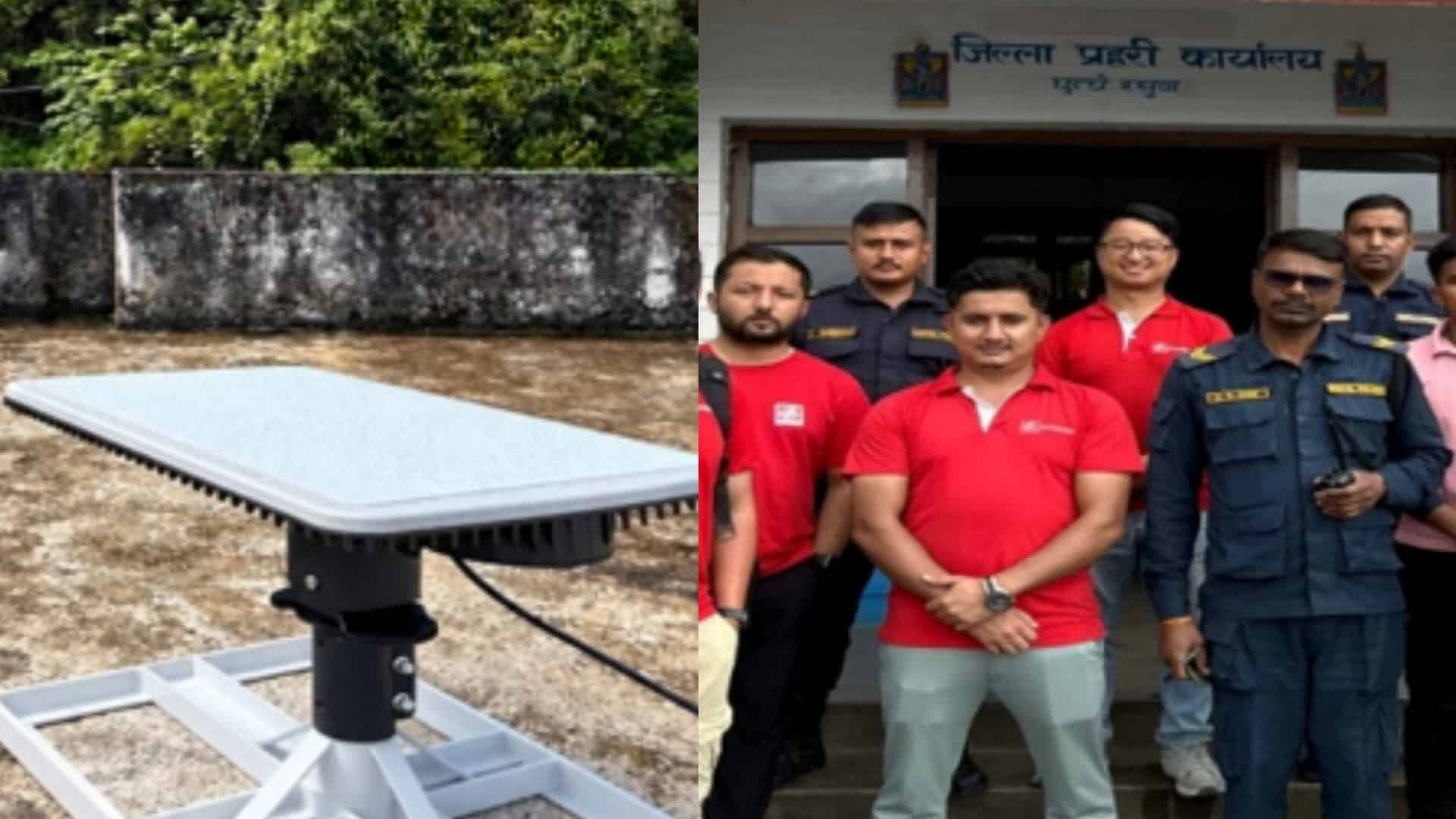
DishHome, Eutelsat provides free satellite internet in flood-hit Rasuwa
Dish Media Network (DishHome), in partnership with Eutelsat, has started providing free satellite...

NPL broadcast, OTT rights sold for NRs 326.8 million
The Nepal Cricket Association (CAN) has secured NRs 326.8 million from the sale...