What we do is costly! Your support will help us dig more stories.
Yes, I'm Interested!Ignorance isn't always bliss | Don't stay foolish.
Keep informed | Read our news and analysis.
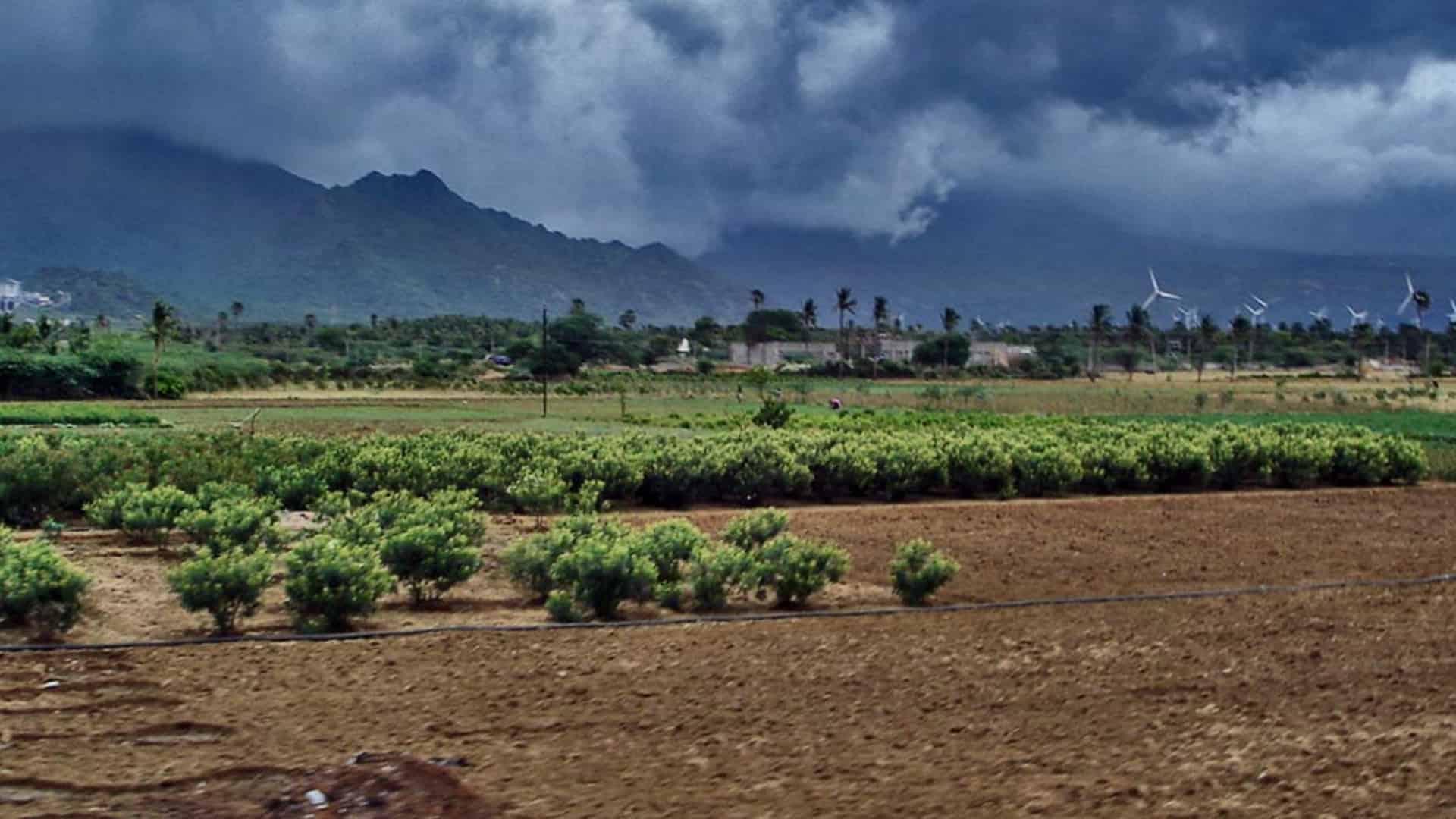
The monsoon normally enters Nepal around June 13. This year it is likely to arrive later than usual due to the influence of the El Niño climate phenomenon, according to the Department of Hydrology and Meteorology (DHM).
The department said that El Niño has already developed in the Pacific Ocean and is beginning to affect weather patterns across the region. Historically, Nepal has experienced delayed monsoon onset during El Niño years.
However, records show that in some El Niño years, it has arrived as late as June 27. In contrast, last year's monsoon reached the country about two weeks earlier than average.
Despite the delayed monsoon outlook, Nepal has witnessed above-average rainfall during the pre-monsoon season. Active westerly winds since early March contributed to rainfall levels that were up to 25% higher than normal.
However, El Niño is expected to reduce overall monsoon rainfall this season. Earlier forecasts from the Department of Hydrology and Meteorology indicated that Nepal is likely to witness a weaker monsoon and hotter-than-average temperatures this year, with below-average rainfall across most parts of the country during the monsoon season.
According to the department, it expects less rainfall than normal across the country, particularly in southern Karnali Province, most of Lumbini Province, eastern Madhesh Province, and southern Koshi Province, where the likelihood of below-average rainfall is estimated at 55–65%.
El Niño is a recurring climate pattern characterised by unusually warm sea-surface temperatures in the central and eastern Pacific Ocean. The phenomenon disrupts global atmospheric circulation, often leading to droughts in some regions and excessive rainfall or flooding in others.
In South Asia, the monsoon depends on moisture-laden winds from the Indian Ocean. During El Niño events, these winds weaken as weather systems shift eastward across the Pacific, reducing the strength of the monsoon and delaying its arrival over countries such as Nepal and India.
The department's historical records show that delayed monsoon arrivals have frequently coincided with El Niño years, reinforcing concerns about a weaker and later-than-normal monsoon season in 2025.
Read More Stories

Nepal needs to repeat to brand itself
Last year Nepal's goods exports jumped 81.8% to NRs 277.03 billion. That is...

Banking stocks gain momentum as dividend season begins
Dividend announcements by banks and financial institutions (BFIs) for fiscal year 2025/26 have...

Nepal’s challenge of building strong democratic institutions
Over the past few decades, institutional dysfunction and massive dissatisfaction with political establishments...