What we do is costly! Your support will help us dig more stories.
Yes, I'm Interested!Ignorance isn't always bliss | Don't stay foolish.
Keep informed | Read our news and analysis.
International relations | Power distribution | Global system
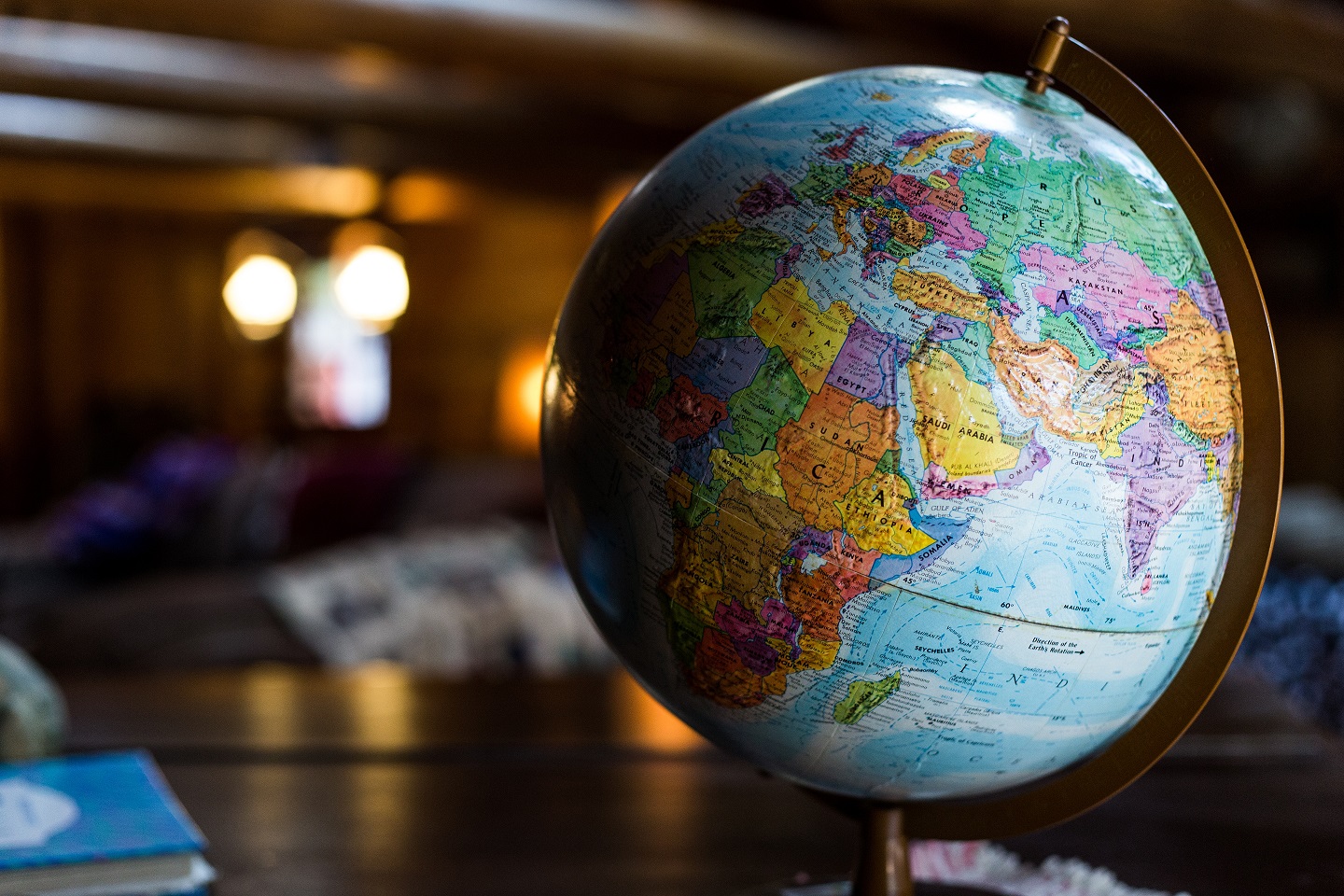
In International Relations, polarity refers to the distribution of power among states in the global system which can be categorised into three main types: unipolarity, bipolarity, and multipolarity.
Unipolarity:
Unipolarity occurs when there is a single dominant or superpower in the international system. This superpower possesses significantly more military, economic, and political influence than any other state or group of states. This dominance allows the unipolar power to shape global events and set the agenda.
Example: The United States during the immediate aftermath of the Cold War is often cited as an example of unipolarity. With the collapse of the Soviet Union, the U.S. emerged as the sole superpower, exercising substantial influence over international affairs.
Bipolarity:
Bipolarity occurs when two major powers or blocs of states dominate the international system, often engaging in rivalry and competition for influence and control.
Example: The Cold War era is a classic example of bipolarity, with the United States leading the Western bloc (NATO) and the Soviet Union leading the Eastern bloc (Warsaw Pact). The world was divided into two opposing spheres of influence during this period.
Multipolarity:
Multipolarity exists when there are multiple significant powers in the international system, and no single state or group of states can exert predominant influence. This can lead to a more complex and dynamic international environment with shifting alliances and power struggles.
Example: The BRICS group (Brazil, Russia, India, China, and South Africa) is often seen as an example of multipolarity. These five emerging economies have significant regional and global influence and collectively challenge the traditional dominance of Western powers. While not equal in power, they represent a multipolar counterbalance to the unipolar tendencies of the United States.
Read More Stories

World Bank cuts growth forecast to 3.7% after Bhotekoshi floods
The World Bank has cut Nepals economic growth forecast for the current fiscal...

Congress heads into leadership vote with expanded central committee
The Nepali Congress is heading into the final stage of its 15th General...

The stock market declined on Wednesday, with the Nepal Stock Exchange (NEPSE) index...