What we do is costly! Your support will help us dig more stories.
Yes, I'm Interested!Ignorance isn't always bliss | Don't stay foolish.
Keep informed | Read our news and analysis.
Environmental Harm | Climate Crisis | Windfall Profits | Policy Design
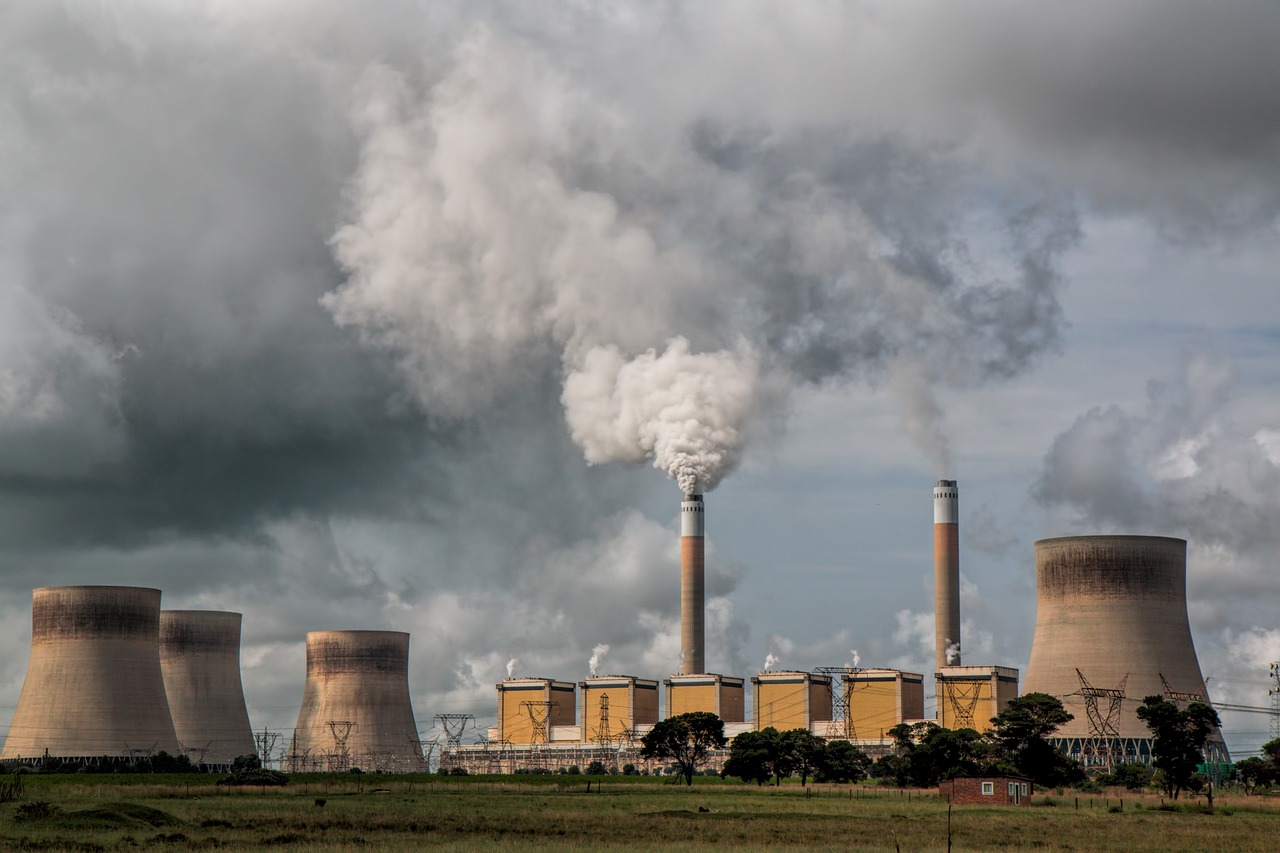
The notion “polluters must pay” implies that the one who is responsible for causing pollution or environmental harm should be obliged to bear the costs involved in mitigating or eradicating the harm associated with them, including covering the health costs of the people affected.
For instance, an industrial facility should be held accountable for the proper disposal of any potentially toxic waste that results from its operations.
The idea behind this principle is to lessen detrimental environmental effects brought on by industries and individuals’ actions through (dis)incentives — usually by imposing taxes, emission quotas, or certain technological solutions.
It is part of a set of broader principles to guide sustainable development worldwide, formally known as the 1992 Rio Declaration, which serves as the foundation for the majority of laws governing contamination of land, water, and air.
In a speech, delivered at the UN headquarters in New York in September 2022, António Guterres, UN Secretary General stressed that polluters must pay to fund vulnerable countries facing severe problems and losses from the climate crisis.
“It's high time to put fossil fuel producers, investors, and enablers on notice. Polluters must pay. I am calling on all developed economies to tax the windfall profits of fossil fuel companies. Those funds should be redirected in two ways to countries suffering loss and damage caused by the climate crisis.”
As far as small businesses are considered, implementing “polluters must pay” policies can be complex and require careful consideration in order to avoid unexpected outcomes like arbitrarily impacting them or creating financial hardships for them.
The principle polluters must pay is also enshrined in Nepal's constitution under the articles 30 and 51. Since fiscal year 2008/09, Nepal started imposing pollution tax on every litre of petrol and diesel since 2008/09, which several reports point out has accumulated over NRs 15 billion since coming into effect.
Read More Stories

Nepal needs to repeat to brand itself
Last year Nepal's goods exports jumped 81.8% to NRs 277.03 billion. That is...
Banking stocks gain momentum as dividend season begins
Dividend announcements by banks and financial institutions (BFIs) for fiscal year 2025/26 have...
Nepal’s challenge of building strong democratic institutions
Over the past few decades, institutional dysfunction and massive dissatisfaction with political establishments...