What we do is costly! Your support will help us dig more stories.
Yes, I'm Interested!Ignorance isn't always bliss | Don't stay foolish.
Keep informed | Read our news and analysis.
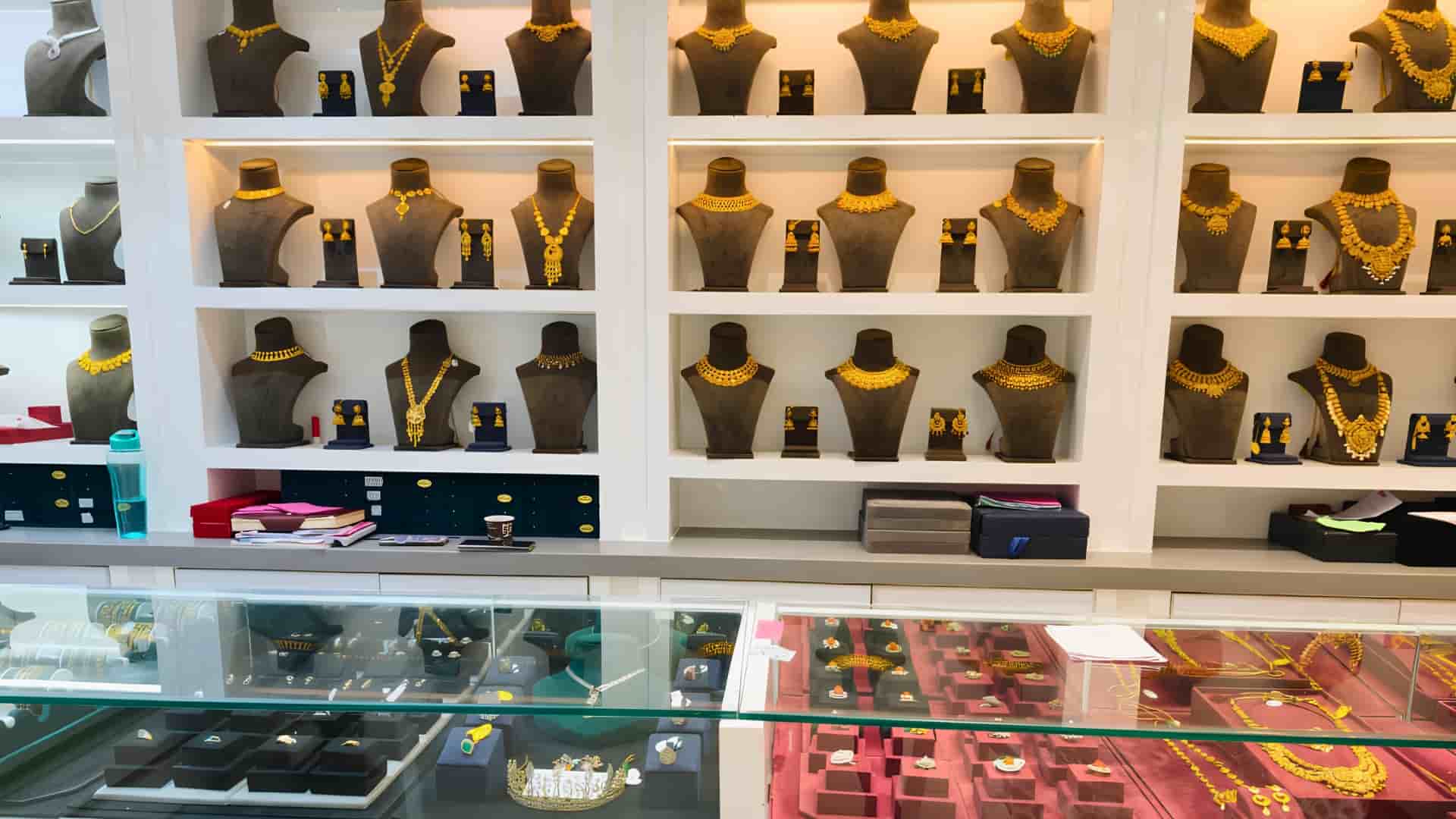
For generations, gold jewellery has been more than a business in Nepal. It is tied to our culture, weddings, festivals, savings, and family traditions. Every necklace, ring, or bangle sold in a jewellery shop carries emotion, trust, and craftsmanship built over decades.
Yet behind the glittering showroom lights, Nepali gold jewellers are facing increasing pressure. Rising gold prices, inconsistent government policies, taxation and smuggling are making survival difficult for jewellers. While customers often see only the final product, jewellers deal daily with uncertainty, regulation, and operational risks.
If Nepal wants a healthy, transparent, and globally competitive gold jewellery sector, serious reforms are necessary, particularly stable and transparent gold import policy, taxation and scientific gold distribution among jewellers.
One of the biggest problems faced by jewellers in Nepal is the uncertainty surrounding gold imports. Over the last five years, the market has repeatedly faced abrupt policy shifts, import quota changes, and tighter controls from the government and the Nepal Rastra Bank (NRB). These inconsistent decisions have created confusion, disrupted supply chains, and increased financial risk for jewellers.
During the Covid-19 period in 2020 and 2021, imports were already affected by lockdowns and disruptions in international trade. As Nepal’s foreign exchange reserves began to weaken, the government increasingly viewed gold as a “luxury import” that needed tighter regulation. Although demand for gold jewellery remained strong, especially during weddings and festivals, traders struggled with irregular supply and unclear policy direction.
The situation worsened in 2022 when Nepal faced a serious foreign currency reserve crisis. To control imports and protect reserves, the NRB suddenly reduced the daily gold import quota from 20 kilograms to only 10 kilograms. This decision immediately created shortages in the domestic market. The demand was around 25–30 kilograms per day, but official imports were far below that level.
As supply tightened, gold prices became more volatile. Many small jewellers were unable to obtain sufficient gold from banks, while larger traders received priority access. Ideally, jewellers should be able to purchase raw gold during working hours on any day, based on their sales volume, as prices fluctuate in real time. However, this is not the case, as they often require recommendation letters, and banks frequently do not have enough gold available due to the quota system.
Our industry association has repeatedly argued that the quota system was unfair and unpredictable. Similar complaints had existed even before, during earlier quota periods, where traders warned that inadequate supply encouraged black marketing and illegal trade.
Frequent policy changes also encouraged smuggling. When official imports became difficult or expensive, concerns grew over the expansion of unofficial channels and cross-border movement of gold. This highlighted the importance of maintaining a stable and practical import system to support transparency and proper market regulation. In 2022, customs authorities at Tribhuvan International Airport seized more than two quintals of undeclared gold jewellery within just two months. Several major scandals were exposed just four years earlier, shaking the country, which included the infamous 33 kg 2018 scandal. The rise in smuggling highlighted how restrictive policies often pushed traders toward informal networks rather than solving the actual supply problem. These activities have cast a negative spotlight on local jewellers, while tainting the industry reputation.
Although the NRB later relaxed some restrictions and again raised the daily import quota to 20 kilograms, the supply was still insufficient. In 2025, the quota was increased to 25 kilograms per day to ease shortages and stabilise the market. However, the repeated cycle of restriction and relaxation has created long-term uncertainty for the jewellery sector.
Similarly, until 2023, Nepal used a fixed-duty system based on weight, but in FY 2023/24 the government shifted to a 15% ad valorem customs duty based on the value of imported gold. In FY 2024/25, the duty was further increased to 20% to discourage imports and protect foreign currency reserves. However, due to declining legal imports and growing cross-border smuggling, the government reduced the customs duty to 10% in late 2024.
At the same time, taxes and duties on gold continued to increase. Nepal imposed higher customs duties and additional taxes on gold imports, significantly raising costs for jewellers and consumers. Recent legal and customs frameworks show that the combined tax burden on gold is quite high. The current duty is 10% with 2% luxury tax on gold, along with 13% VAT applicable on diamonds and certain jewellery-related transactions. These costs have increased the price of formal imports and added pressure on the domestic gold market, including for ordinary buyers.
The gold taxation policies in Nepal are often influenced by India’s market dynamics. Following India’s recent increase in customs duty on raw gold from 6% to 15%, it is likely Nepal may again review its duty structure to manage cross-border price differences and regulate gold outflow.
Overall, the last five years have shown that Nepal’s gold import policy lacks consistency and predictability. Sudden quota cuts, changing duties, forex-related restrictions, and uneven distribution systems have made it difficult for jewellers to plan business operations confidently. Instead of creating stability, these fluctuating policies have contributed to shortages, price volatility, smuggling, and reduced trust within the gold market.
The gold jewellery sector contributes significantly to the economy. The sector employs several thousand workers nationwide as artisans/goldsmiths in manufacturing with significant dependence on Indian craftsmen who are highly paid. Our industry association estimate is that the country produces around 200 artisans every year, with the gold and silver business sector employing over 25,000 workers, many of them are Indian artisans. This shows the sector provides a large opportunity to create more skilled, high-paying jobs within Nepal itself.
Similarly, the sector employs thousands of workers in retails and another thousands through import, wholesale, logistics, refining support jobs, trading, workshop supply chains and marketing.
Beyond employment, the sector also contributes substantial revenue to the government through customs duties, luxury tax, VAT, income taxes, and business registration fees. Gold jewellery businesses support banks through formal gold imports and financial transactions, while also helping circulate money throughout the wider economy.
Despite this economic importance, the industry has not received policy treatment that reflects its real contribution. Policymakers often continue to treat gold only as a non-essential luxury item, ignoring its broader social and economic role in the country.
Read More Stories

Nepal needs to repeat to brand itself
Last year Nepal's goods exports jumped 81.8% to NRs 277.03 billion. That is...

Banking stocks gain momentum as dividend season begins
Dividend announcements by banks and financial institutions (BFIs) for fiscal year 2025/26 have...
Nepal’s challenge of building strong democratic institutions
Over the past few decades, institutional dysfunction and massive dissatisfaction with political establishments...