What we do is costly! Your support will help us dig more stories.
Yes, I'm Interested!Ignorance isn't always bliss | Don't stay foolish.
Keep informed | Read our news and analysis.
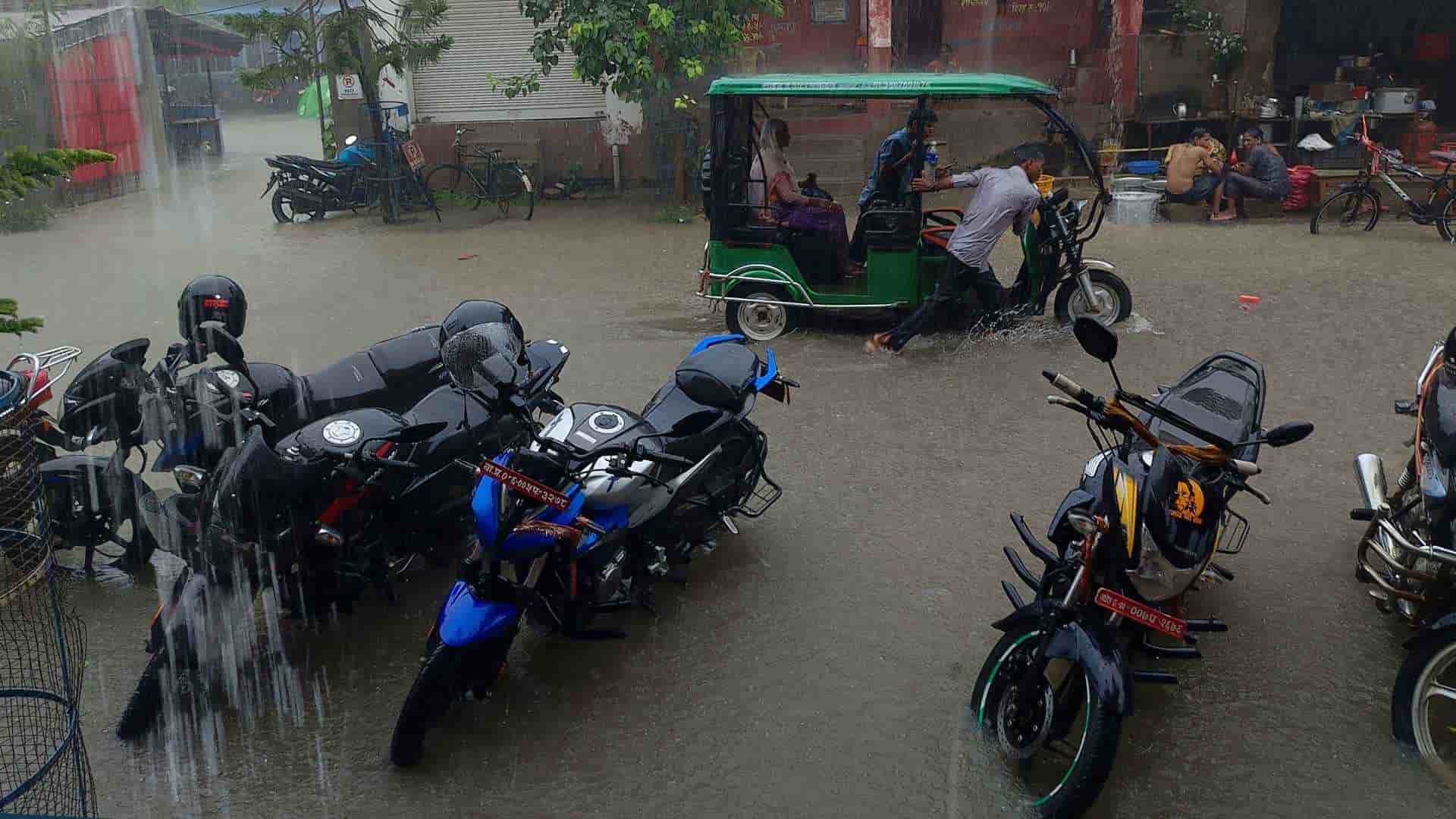
Nepal’s monsoon system has become increasingly active, with the monsoon trough currently positioned slightly above its average location and close to the country’s Terai region. The Department of Hydrology and Meteorology (DHM) has warned of heavy to extremely heavy rainfall in several parts of the country over the next two days and urged the public to remain cautious.
According to the department, heavy to very heavy rainfall is likely on Sunday and Monday in parts of Koshi, Bagmati, and Gandaki provinces, particularly in hilly areas, as well as in parts of Madhesh Province and the Terai regions of Koshi, Bagmati, and Gandaki. Isolated areas of the hilly regions of Koshi and Bagmati provinces may also receive extremely heavy rainfall.
The forecast for June 28–30 shows continued monsoon activity across Nepal, with widespread cloud cover and moderate rainfall with thunderstorms expected in several regions. Heavy to very heavy rainfall is likely in parts of Koshi, Bagmati, Gandaki, and Madhesh provinces, while isolated areas of Koshi and Bagmati’s hilly regions may experience extremely heavy rain.
The country is currently experiencing widespread cloud cover due to the active monsoon system. Light to moderate rainfall has been reported in several areas of Koshi, Bagmati, Gandaki, Lumbini, and Karnali provinces, with some parts of Madhesh and Sudurpaschim also receiving rain.
The weather office has forecast continued cloudy conditions nationwide, with chances of thunderstorms and moderate rainfall in hilly and mountainous areas. Some high Himalayan areas may experience snowfall. Heavy rainfall is also possible in parts of Madhesh, Koshi, Bagmati, Gandaki, and Lumbini provinces.
Authorities have warned that intense rainfall could trigger flash floods, debris flows, landslides, and soil erosion, particularly in vulnerable areas. The adverse weather may affect daily life, agriculture, public health, tourism, mountaineering, and road and air transportation services.
DHM has advised residents, especially those living in risk-prone areas, to remain alert, follow official weather updates, and take necessary safety measures.
As the monsoon intensifies, the National Disaster Risk Reduction and Management Authority (NDRRMA) has intensified coordination with government agencies and other stakeholders to reduce the risks associated with monsoon-related disasters.
NDRRMA Chief Executive Officer Pradeep Kumar Koirala said the government is fully prepared to minimise possible loss of life and property during the monsoon season. The authority is reviewing preparedness measures and collecting updates from various agencies involved in emergency response, infrastructure management, and disaster coordination.
Koirala said the authority is issuing advisories based on special weather bulletins from the Department of Hydrology and Meteorology. He urged citizens to regularly check official updates and follow safety recommendations.
The authority has issued a high alert for possible heavy rainfall in eastern Nepal and parts of Madhesh, where increased risks of flooding and other monsoon-related hazards are expected.
The government has also started preparations for a special response campaign to prevent and control diseases that commonly spread during the monsoon season.
Health authorities have identified dengue, malaria, cholera, diarrheal diseases, Japanese encephalitis, scrub typhus, and influenza as major seasonal health risks.
Acting Director General of the Department of Health Services Dr. Anuj Bhattchan said federal, provincial, and local governments will work together through a risk assessment and response mechanism to control outbreaks.
Health officials have begun public awareness campaigns, including through social media, to promote preventive measures. Experts have advised people to maintain hygiene, consume safe drinking water, and take precautions against mosquito-borne and water-related diseases.
Doctors have emphasised that preventing diseases at their source is more effective and economical than responding after outbreaks occur. Health officials have warned that cases of dengue and other water-related illnesses generally rise during the monsoon months, particularly from July to October, and have urged the public to remain vigilant.
(with inputs from Rastriya Samachar Samiti)
Read More Stories

Market turns green by 11.97 points, turnover slips to NRs 3.13 billion
The Nepal Stock Exchange (NEPSE) climbed up Tuesday by 11.97 points (0.47%) to...
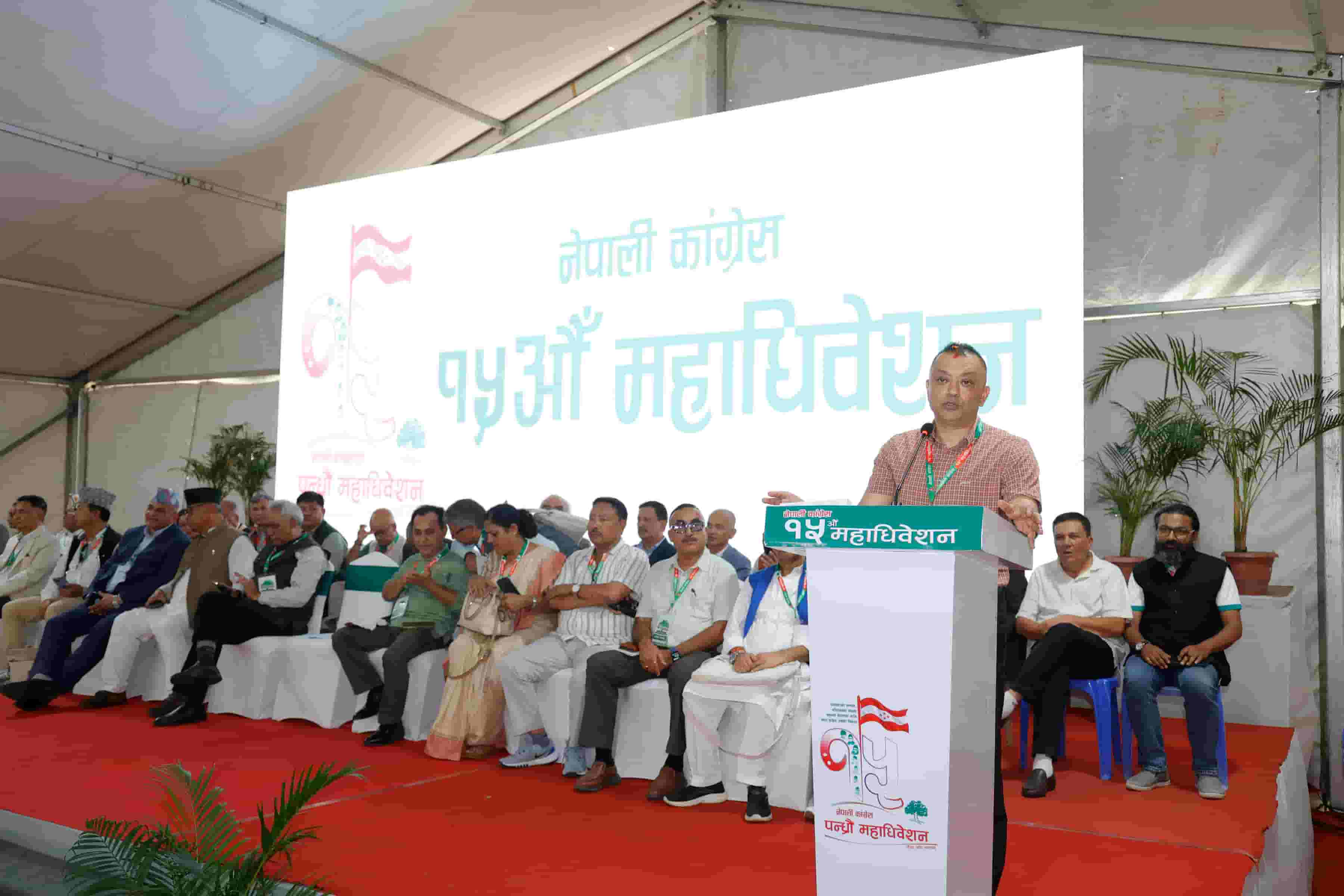
Inside Nepali Congress’s 15th General Convention
The Nepali Congress began debating its political and organisational direction for the next...

NEPSE continues downtrend, sheds another 20 points, turnover drops to NRs 3.27 billion
The stock market extended its decline on Monday, with the Nepal Stock Exchange...