What we do is costly! Your support will help us dig more stories.
Yes, I'm Interested!Ignorance isn't always bliss | Don't stay foolish.
Keep informed | Read our news and analysis.
West Asia Conflict | Israeli Strikes | Israel-Hezbollah War | US-Israel-Iran War
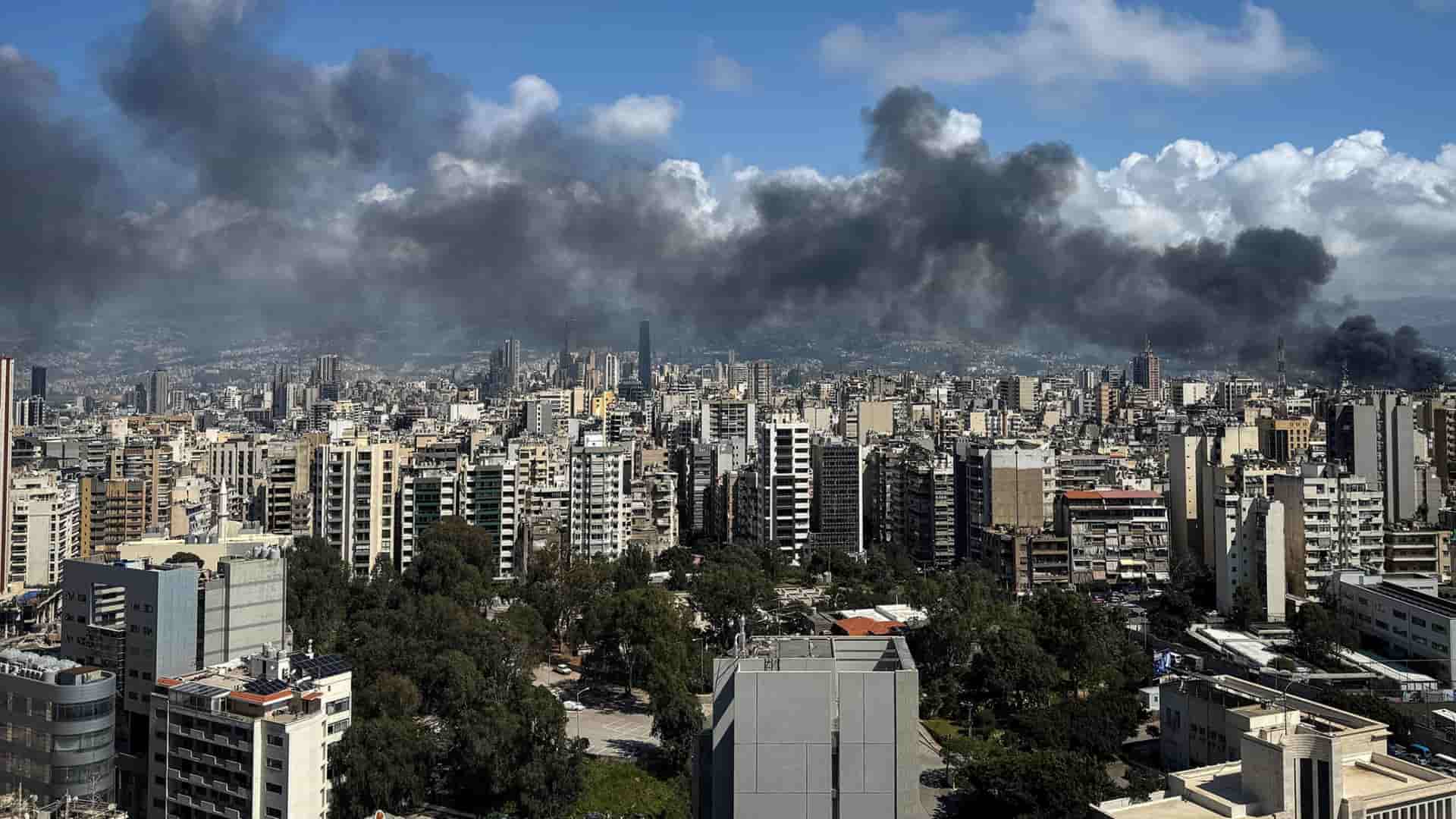
Israel launched one of its deadliest waves of airstrikes on Lebanon in weeks, killing at least 254 people and injuring hundreds more in coordinated attacks across Beirut, southern Lebanon, and the Bekaa Valley, as fears of a wider regional conflict deepened. The attack came after hours of a two-week ceasefire was announced in the US/Israel-Iran war.
The Israeli military said it struck more than 100 targets linked to Hezbollah, including command centres, weapons storage sites, and operational infrastructure. The strikes began late Tuesday (local time in Beirut) and continued into Wednesday, hitting densely populated urban areas, including parts of central Beirut.
Lebanese authorities reported that hospitals were overwhelmed with casualties, and emergency teams continued search and rescue operations in heavily damaged neighbourhoods. Officials warned that the death toll could rise further as rescue efforts continue.
The world denounces the attack
The escalation comes despite a fragile pause in hostilities between the United States and Iran, which had briefly raised hopes of de-escalation across the region and respite to the world. Israeli officials have said the truce does not apply to Lebanon, signalling a deliberate separation of fronts.
The United Nations condemned the scale of the attacks, calling the civilian toll “appalling” and warning of possible violations of international humanitarian law. Lebanese authorities accused Israel of targeting civilian areas, an allegation the Israeli military denies, saying its operations are aimed at militant infrastructure.
Several countries and international actors also voiced concern. Spain condemned the strikes, calling them “reckless and illegal” and a violation of international law. Italy summoned the Israeli ambassador, describing the attacks as unacceptable and urging Israel to halt operations to avoid further destabilising the region. Australia stressed that Lebanon should be included in any ceasefire deal and condemned actions endangering civilians and humanitarian workers.
Qatar denounced the airstrikes as a dangerous escalation and violation of Lebanese sovereignty, while France and other European nations urged that diplomacy and civilian protection remain central to any resolution. Egypt also called for urgent international action to stop the attacks and uphold Lebanon’s territorial integrity.
Israeli attack threatens peace
The latest strikes threaten fragile diplomatic efforts in the region. Mohammad Bagher Ghalibaf, Iran’s parliament speaker, said ongoing attacks on Lebanon showed that ceasefire understandings were being violated, calling further negotiations “meaningless” under current conditions.
Pakistan’s Prime Minister Shehbaz Sharif, while not naming the parties, warned on his X account that reported ceasefire violations in parts of the conflict zone undermine the spirit of the peace process.
“I earnestly and sincerely urge all parties to exercise restraint and respect the ceasefire for two weeks, as agreed upon, so that diplomacy can take a lead role towards peaceful settlement of the conflict,” he wrote, highlighting Islamabad’s concern that continued hostilities could derail ongoing negotiation efforts.
In a significant development, Israel said a strike in Beirut killed senior Hezbollah figure Naim Qassem. However, the claim has not been independently verified and the group has yet to confirm it. Hezbollah responded by firing rockets into northern Israel, raising the risk of a renewed cycle of retaliation.
The latest strikes suggest a shift toward more expansive, high-intensity operations, with urban centres increasingly at the centre of the conflict. Diplomatic efforts to contain the escalation are ongoing, but with hostilities intensifying and positions hardening, prospects for a broader ceasefire remain uncertain.
Since early March, the cross-border conflict has displaced more than a million people in Lebanon and killed over 1,500, according to international estimates, including over 100 children. On March 13, Israeli artillery shells destroyed a shelter belonging to Nepali troops in southern Lebanon.
Read More Stories

Nepal needs to repeat to brand itself
Last year Nepal's goods exports jumped 81.8% to NRs 277.03 billion. That is...

Banking stocks gain momentum as dividend season begins
Dividend announcements by banks and financial institutions (BFIs) for fiscal year 2025/26 have...
Nepal’s challenge of building strong democratic institutions
Over the past few decades, institutional dysfunction and massive dissatisfaction with political establishments...