What we do is costly! Your support will help us dig more stories.
Yes, I'm Interested!Ignorance isn't always bliss | Don't stay foolish.
Keep informed | Read our news and analysis.
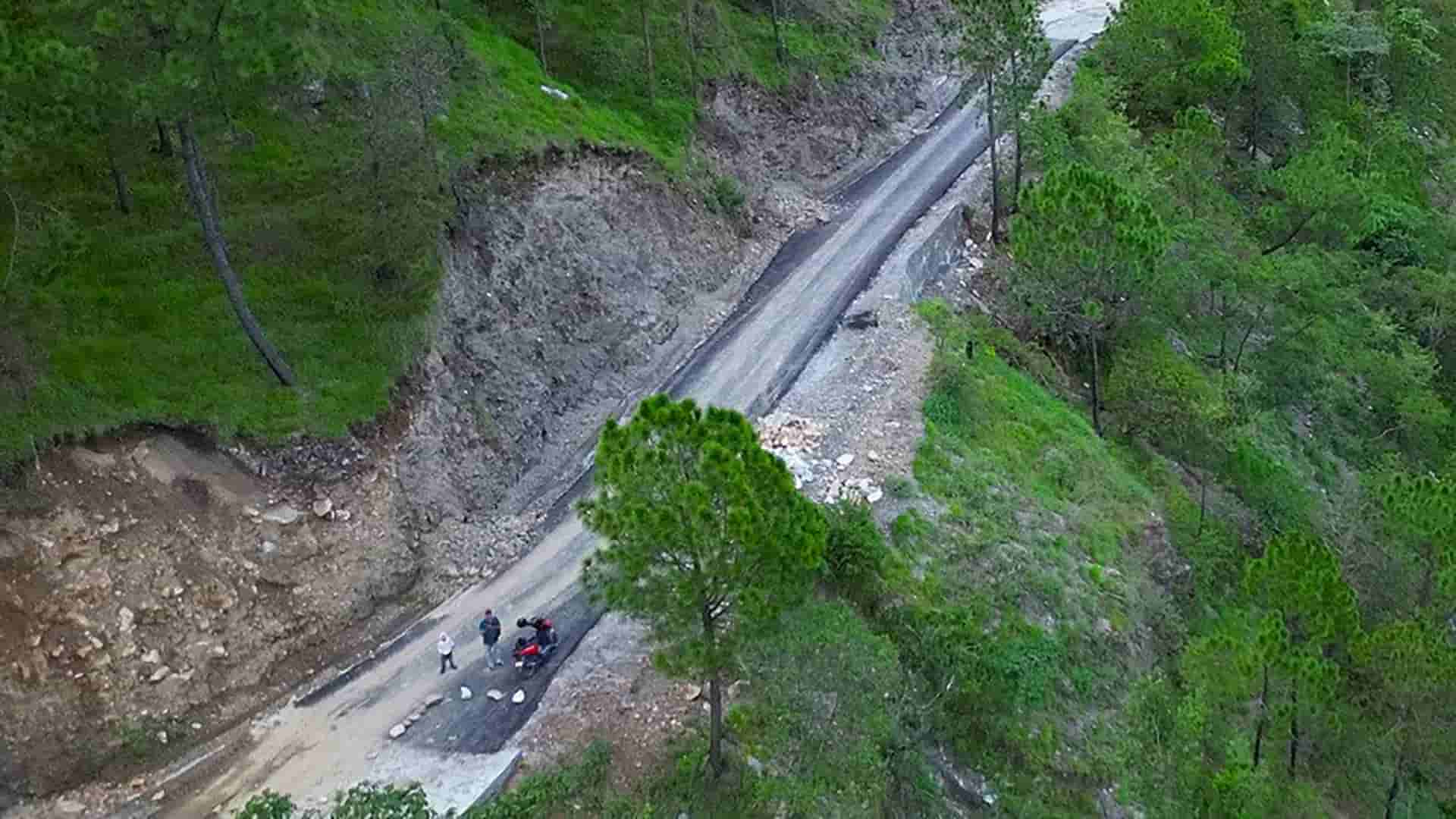
Nepal recorded its weakest capital budget execution in six years in fiscal year 2025/26 , with the government spending less than half of the funds allocated for development projects. The latest figures also show slowing revenue growth, widening the gap between the government's fiscal targets and actual performance.
According to the Financial Comptroller General Office (FCGO), the government spent NRs 190 billion, or 46.79%, of the Rs 407.9 billion allocated for capital expenditure by the end of the fiscal year on July 16. The utilisation rate is the lowest since FY 2019/20, when capital spending fell to about 46% amid the COVID-19 pandemic. Over the past five years, capital budget execution had generally ranged between 60% and 65%.
Officials attributed the slowdown to political disruptions, including the September protests and the violence, the subsequent parliamentary election, and the formation of a new government, all of which delayed project implementation. Supply-chain disruptions caused by the conflict in West Asia also affected the availability of key construction materials, while higher fuel prices increased project costs and slowed infrastructure work.
The latest data also highlight a growing imbalance in government finances. While capital expenditure remained subdued, recurrent spending reached 88% of its annual allocation, and expenditure on financial management, including public debt servicing, exceeded 92% of the budget. The government spent about NRs 351 billion on debt principal and interest payments during the year, substantially more than it invested in development projects. The country’s debt servicing has exceeded capital expenditure every year since FY 2021/22.
Revenue collection also slowed considerably. The government collected NRs 1.245 trillion in revenue, achieving 84.13% of its annual target of NRs 1.48 trillion. Revenue grew by only 5.68% compared with the previous fiscal year, down from 10.48% growth in 2024/25 and well below the country’s long-term average annual revenue growth of around 12%.
Tax revenue totalled NRs 1.221 trillion, equivalent to 84.57% of the target, while non-tax revenue reached NRs 123 billion. Foreign grants also fell significantly short of expectations. Against a target of NRs 53.4 billion, Nepal received only NRs 21.6 billion, or 40.44% of the projected amount.
The government's overall fiscal targets were also missed by a wide margin. The FY 2025/26 budget had projected revenue growth of nearly 29% and expenditure growth of 26%, but actual increases were only about 5% and 3.8%, respectively.
Total government spending rose to NRs 1.582 trillion, compared with NRs 1.523 trillion in the previous fiscal year. Recurrent expenditure increased to NRs 1.043 trillion, while capital expenditure declined from NRs 222 billion to NRs 190 billion. Spending on financial management climbed to NRs 347 billion.
Excluding borrowing, government income totalled approximately NRs 1.28 trillion, resulting in a budget deficit of around NRs 302 billion for the fiscal year.
The latest fiscal data underscore Nepal's persistent difficulty in translating budget allocations into development spending, even as rising debt obligations and recurrent expenditure continue to consume a growing share of public resources.
The poor performance reflects deeper structural weaknesses rather than temporary disruptions. Inadequate governance, weak budget planning, inefficient procurement processes, and delays in project execution continue to undermine the country’s capital spending. As a result, concerns are growing that the country is likely to face similar challenges in the coming fiscal years.
Against this backdrop, the government introduced a rather ambitious budget last month. The government presented a national budget of NRs 2.124 trillion for the fiscal year 2026/27, unveiling a significantly expansionary fiscal plan despite concerns over revenue capacity and spending efficiency. The new budget is higher by approximately 25.9%, while it reflects an increase of around 8.2% compared to the original allocation made during the budget announcement for the previous fiscal year. It also exceeds the National Planning Commission’s budget ceiling of NRs 1.890 trillion by about 12.4%.
Read More Stories

Market turns green by 11.97 points, turnover slips to NRs 3.13 billion
The Nepal Stock Exchange (NEPSE) climbed up Tuesday by 11.97 points (0.47%) to...
Inside Nepali Congress’s 15th General Convention
The Nepali Congress began debating its political and organisational direction for the next...

NEPSE continues downtrend, sheds another 20 points, turnover drops to NRs 3.27 billion
The stock market extended its decline on Monday, with the Nepal Stock Exchange...