What we do is costly! Your support will help us dig more stories.
Yes, I'm Interested!Ignorance isn't always bliss | Don't stay foolish.
Keep informed | Read our news and analysis.
Trekking | Mountaineering | Fake Helicopter Rescue Scam | Fraudulent Insurance Claims
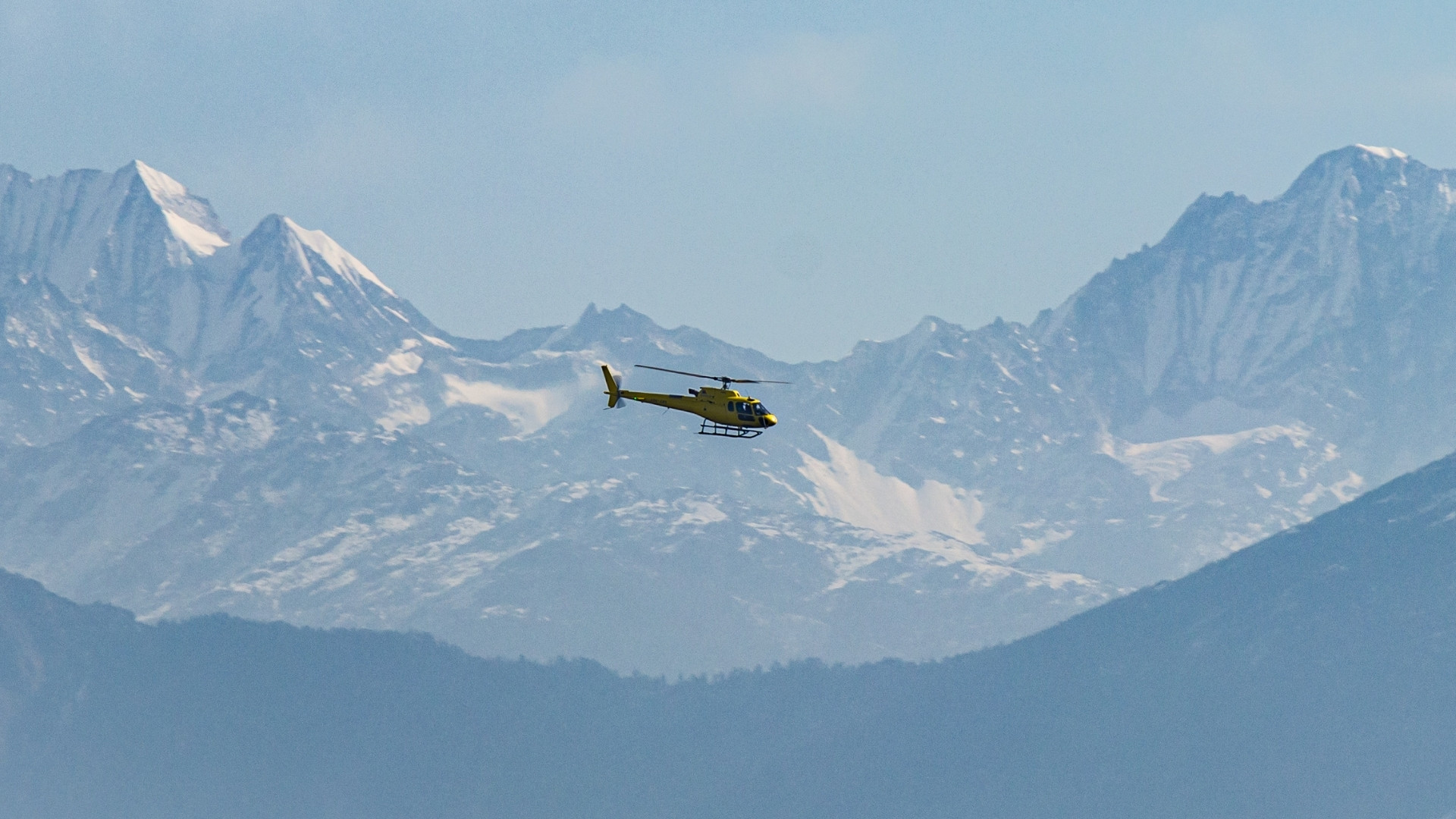
Nepal’s helicopter operators and the wider tourism industry are under scrutiny once again after the Central Investigation Bureau arrested six accused representing four companies operating rescue helicopters on Sunday over an alleged fraud, orchestrating fake helicopter rescues to defraud foreign insurance companies of nearly $19.69 million (Rs 2.9 billion).
The arrests of directors and senior managers of the operators were made on January 25 after the CIB obtained court-issued warrants following months-long investigations into fraudulent helicopter evacuation claims across Nepal’s trekking regions, including the Everest and Annapurna.
According to CIB’s preliminary findings, the accused allegedly tampered with Passenger and Cargo Manifest documents, prepared falsified bills, and presented foreign tourists as having been treated at various Kathmandu hospitals, in line with conditions in their insurance policies.
Through these fabricated claims, police said, the companies reportedly received approximately $19.69 million (around NRs 2.9 billion) from international insurance providers.
Documents such as hospital admission and discharge reports, medical reports, and invoices were arranged to support these false claims.
The arrested individuals include:
They are being investigated under multiple charges, including Section 51 of the Muluki Criminal Code, 2017, which prohibits acts detrimental to national interest. CIB says they are also investigating treason, organised crime and money laundering.
Authorities warn that these fraudulent practices have damaged Nepal’s national image, pride, sovereignty, and international reputation. The case marks yet another scam involving fake rescue practices first exposed more than a decade ago, which exposed an entrenched nexus involving trekking guides, agencies, helicopter operators, and hospitals that preyed on foreign trekkers in the Himalayas.
As early as 2013, helicopter pilots raised alarms about systemic abuse in the industry. One pilot in talk with Nepali Times revealed that while trekking firms charged about $1,500 for an Everest trek, they could earn an additional $2,000–$3,000 by arranging staged helicopter evacuations. Rescues in the high zone are insured for $20,000–$25,000, despite actual charter costs of just $5,000–$6,000.
Agencies reportedly took 25% commissions, with guides pocketing 15%, effectively turning routine fatigue into Acute Mountain Sickness (AMS) claims.
In 2018, in response to mounting pressure from international insurers, the government formed a fact-finding committee, which submitted a 700-page report on July 30, 2018, to then Tourism Minister Rabindra Adhikari.
The committee investigated 10 helicopter companies, six hospitals, including CIWEC and Vayodha, and 36 trekking agencies.
The findings at the time were damning. Investigators uncovered multiple insurance claims for a single rescue flight, including one case billed at €86,000 and $24,000 simultaneously, food adulteration to deliberately induce illness, and several forged medical documents.
By September 2018, international insurers warned of boycotting Nepal’s risk coverage. The government responded by banning intermediaries, but no prosecutions ensued. Investigations later stalled, and the issue lost momentum after Minister Adhikari died in a helicopter crash in 2019.
With no fixed regulatory cap on insurance premiums paid for helicopter charters in trekking rescues, fraudsters are able to inflate claims freely. These fake rescues have directly driven up insurance premiums, saddling providers with massive fraudulent payouts and forcing them to raise rates across the board to recover losses.
While helicopter companies face steep operational costs, including insurance premiums of up to 15% of a helicopter's value annually, the BMC reports the largest profits go to middlemen and agents with minimal investment or risk.
The actual fallout has been borne by ordinary trekkers and backpackers, as the insurance premiums have risen sharply, reportedly by at least 15% to as much as 60%, with tight coverage terms, while Nepal’s reputation as a safe trekking destination has taken a serious hit.
The latest scam is expected to trigger another international concern after the last fallout and subsequent response. According to the police, several foreign insurance companies and tourism organisations reportedly circulated advisories labelling Nepal a “no-go destination for tourists,” while global media ran headlines including “A Scam on the Roof of the World” and “Stop Providing Cover to Tourists Travelling to Nepal.
Additionally, CIB has said they have received more complaints about fake rescue operations, while the investigation has opened up other facets as well, and further inquiries are still underway.
Read More Stories
Inside Nepali Congress’s 15th General Convention
The Nepali Congress began debating its political and organisational direction for the next...

NEPSE continues downtrend, sheds another 20 points, turnover drops to NRs 3.27 billion
The stock market extended its decline on Monday, with the Nepal Stock Exchange...
National Medical College residents’ protest widens into scrutiny of PG programme
A dispute between postgraduate resident doctors and the administration of National Medical College...