What we do is costly! Your support will help us dig more stories.
Yes, I'm Interested!Ignorance isn't always bliss | Don't stay foolish.
Keep informed | Read our news and analysis.
On his Facebook account, the new Home Minister Sudan Gurung has been posting cryptic updates hinting at arrests he is carrying out, drawing praise from his ardent supporters. For Gurung, the corridors of Singha Durbar have become an extension of the street rallies that brought him fame and scrutiny post anti-corruption protests and mob violence in September. In doing so, he is blurring the lines between governance and spectacle.
Barely a day into office, his ministry oversaw the arrest of former prime minister KP Sharma Oli and ex‑Home Minister Ramesh Lekhak in connection with protest-related deaths on September 8. Announcing the development on Facebook, Gurung wrote that it was “the beginning of justice” and that “no one is above the law.” In earlier posts, he had urged followers to “stay watchful and trust the process,” a line that prefaced the high-profile detentions.
Contradicting the essence of his own position, he wrote: “You messed with the wrong generation,” in another post, conveying a tone of revenge than one of due process and justice. His ministry, or the cabinet more broadly, has yet to make the Karki Commission report public, the very document said to underpin these high-profile arrests. Additionally, the report contains several aspects that raise several questions about Gurung’s role in September incidents. Yet the same man was entrusted with the oversight of the ministry that was supposed to investigate them.
Gurung, on the other hand, is also reinforcing his image as an action-oriented minister, although with political gimmicks. This, he began with posting numbers on social media implying his arrests tally impressing his followers, a style that contributes to his populist feedback loop. The approach reflects a troubling disregard for legal principles: in a role responsible for working on laws, it is important to realise that until something is proven by law, those he tallies as “6, 7, 8” are not criminals, but merely accused individuals. On the other hand, these gimmicks risk overshadowing substantive concerns such as Gurung’s controversial role and why he occupies the position?
Between his legal moves, Gurung remained physically on the move too, which often contradict his role, and the narratives he has constructed, giving them a theatrical edge.
Take for instance, his walk in Basantapur street with several armed security officers flanking him. This stands in contrast to how he earlier mockingly expressed aversion to such practices, stating that he will get rid of them.
In the same week, he made a surprise inspection at Tribhuvan International Airport, a ritual many ministers have conducted in the past rather than focusing on developing systems through rule books for enforcement.
This followed a stop at Gaushala Chowk, where he stepped out of his vehicle to direct traffic himself, even as his own convoy could have added to the congestion he was trying to relieve.
Not long ago, he stepped out of his convoy outside the Sheetal Niwas to wave at his supporters. Ironically, a few days later he instructed traffic to hold everyone accountable flouting traffic rules, even if it were public officials.
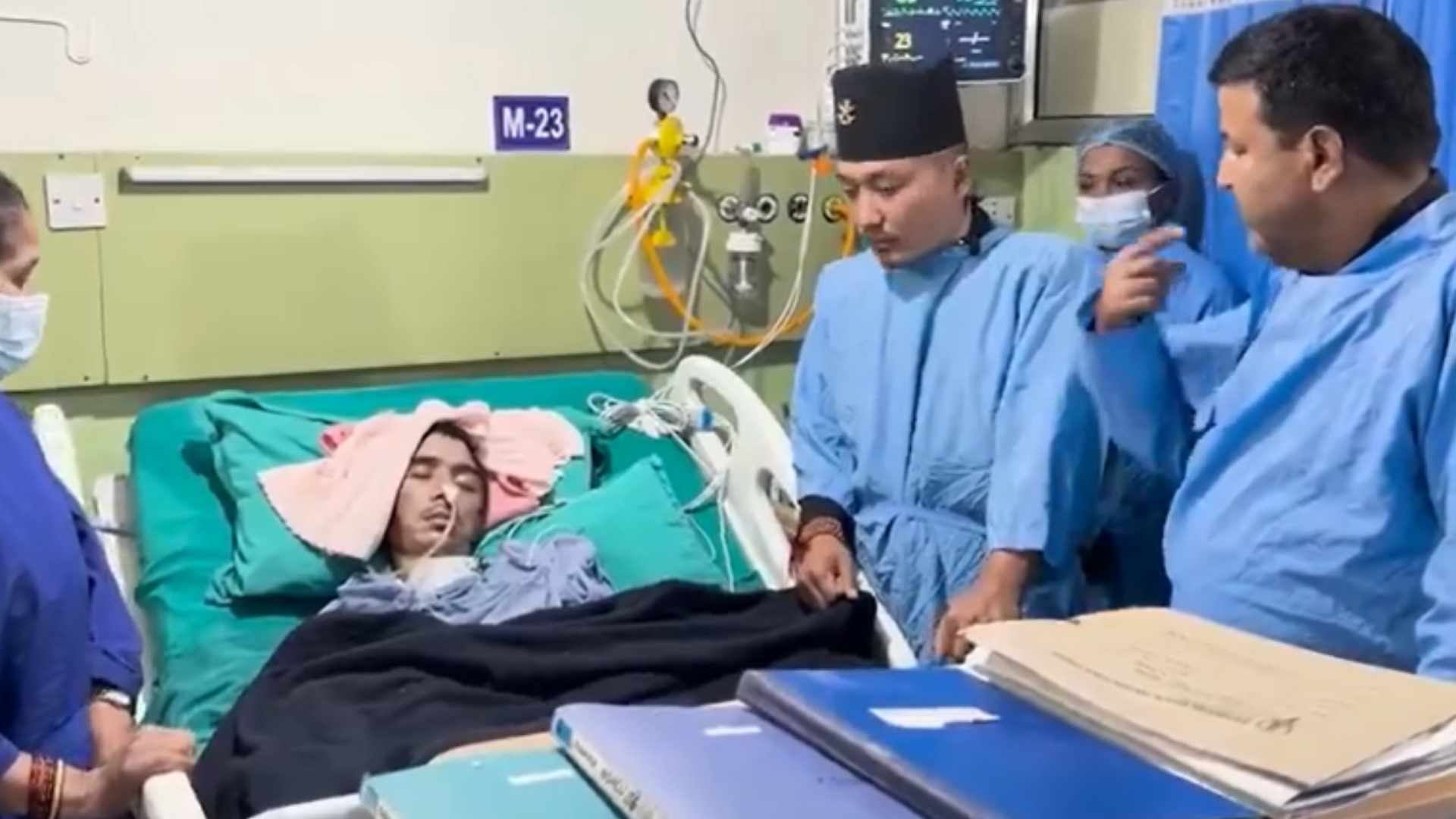
The optics were extended at KMC Hospital, where Gurung visited an injured individual from the September protests who was lying unconscious on a hospital bed. He arrived with a camera crew and engaged with doctors and a family member and the hospital, ensuring that every moment of the visit was recorded for public dissemination. At the hospital, he stood beside the patient without wearing a mask, seeking updates he could have obtained from the doctor’s office.
In other public-forward actions, Gurung posted an urgent arrest warrant on his Facebook page against former energy minister and Nepali Congress leader Deepak Bahadur Khadka on money‑laundering charges, bypassing the usual institutional channels and creating a public spectacle of enforcement. He also visited an elderly citizen reportedly abused by a UML cadre, greeting him at home with personal attention that was widely shared on social media.
Earlier in the transition period in September, he also said that lawmakers and ministers should not receive salaries, and he would not receive any salary, reinforcing a narrative of austerity and service. When asked later, he however said he will receive them but redistribute it.
Gurung has also been using a different private vehicle instead of state-provisioned ones, one that he or his family doesn’t own, and drives himself on most occasions. This raised scrutiny and questions. Later, Gurung replaced the car, which was again registered to someone else. The former practice contrasts sharply with his earlier rhetoric on austerity and accountability.
In the latter, he bypasses norms designed to ensure security and institutional protocol. His actions raise questions about security expectations attached to one of the most sensitive portfolios in government. A former police official noted that such behaviour becomes challenging to process for his security personnel. These contradictions reinforce the sense of theatrical governance, where visibility and optics sometimes take precedence over structured, procedural administration.
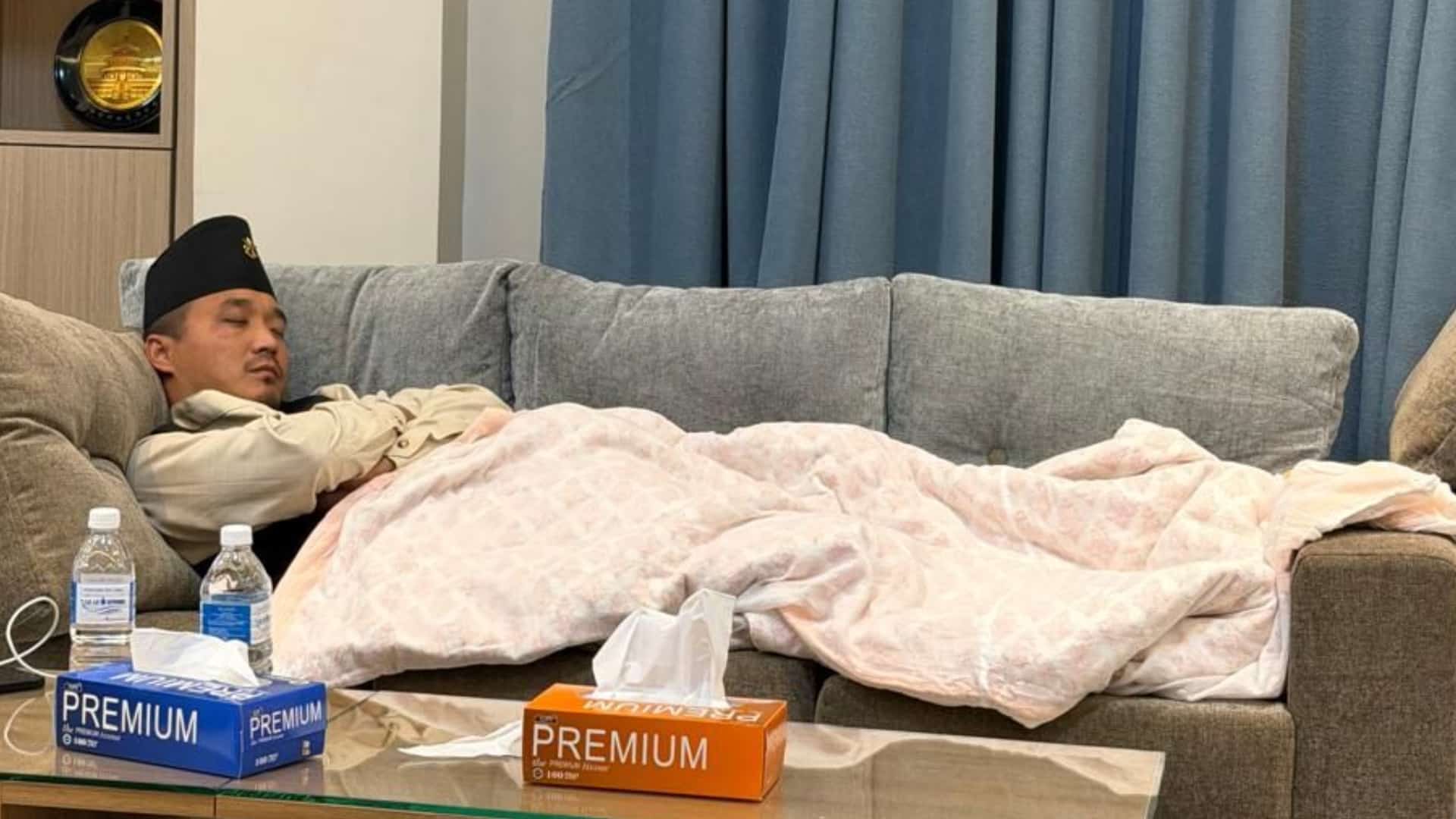
The spectacles seem never ending indeed. Only recently, he shared an image of himself sleeping on the office couch, suggesting his dedication to work. Throughout these events, from airport walks to hospital corridors, from social-media warrants to traffic-jam handshakes, a pattern of highly visible, direct engagement has emerged. Gurung’s gestures suggest a minister who is always within reach, always working, and ready to be seen and heard.
For now, Gurung’s Home Ministry is playing out in real time, a sequence of acts, each with its own audience and optics. In between these performances, the quieter work of institution building, codifying practices, and embedding procedural stability remains in the background.
Read More Stories
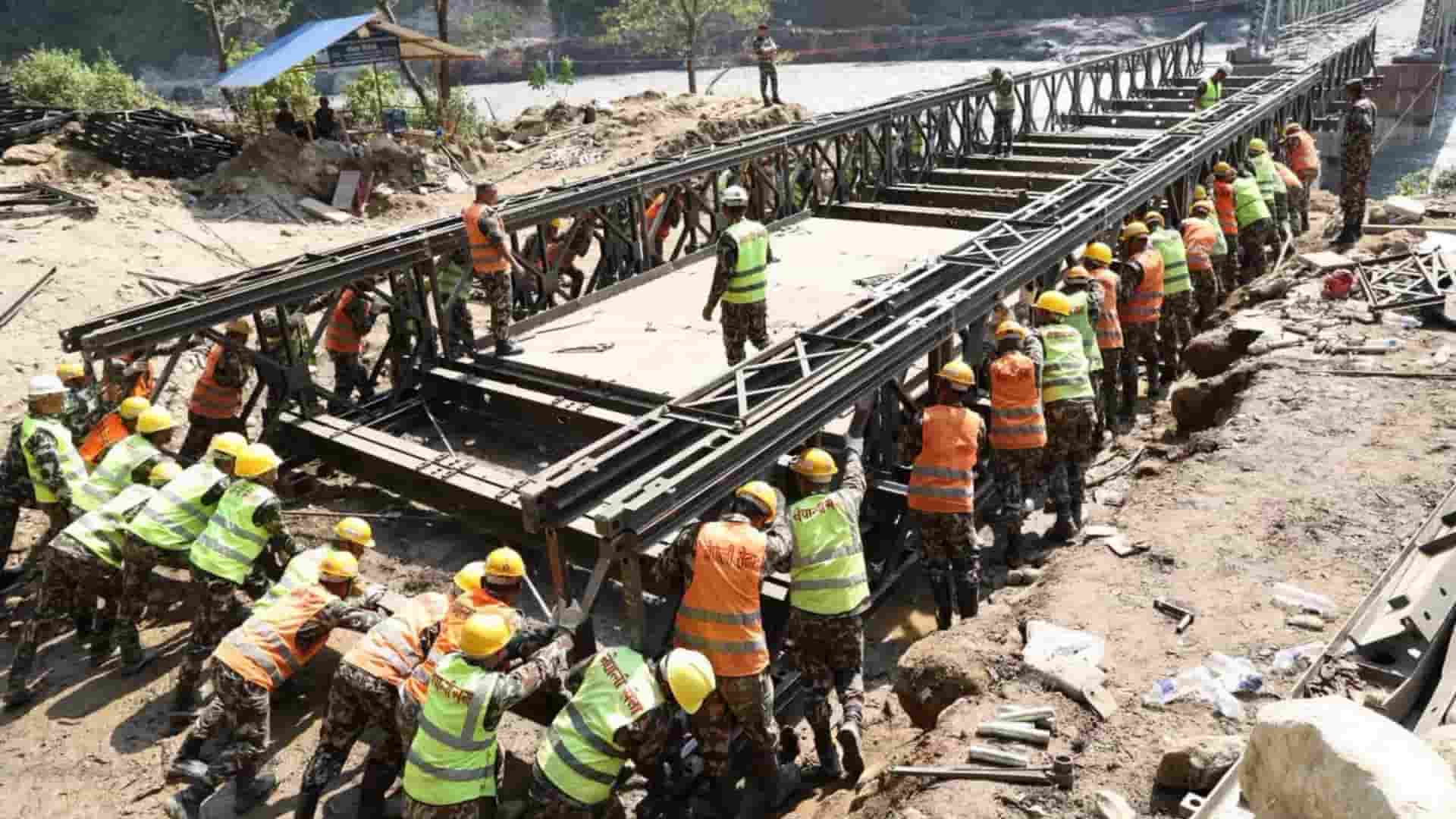
Nepal secures $66 million in climate funding following devastating floods
Nepal is set to receive $65 million in international climate funding, including a...

NEPSE ends seven-session rally, falls 4.34 points after Dashain
The stock market declined slightly on Monday in its first trading session after...
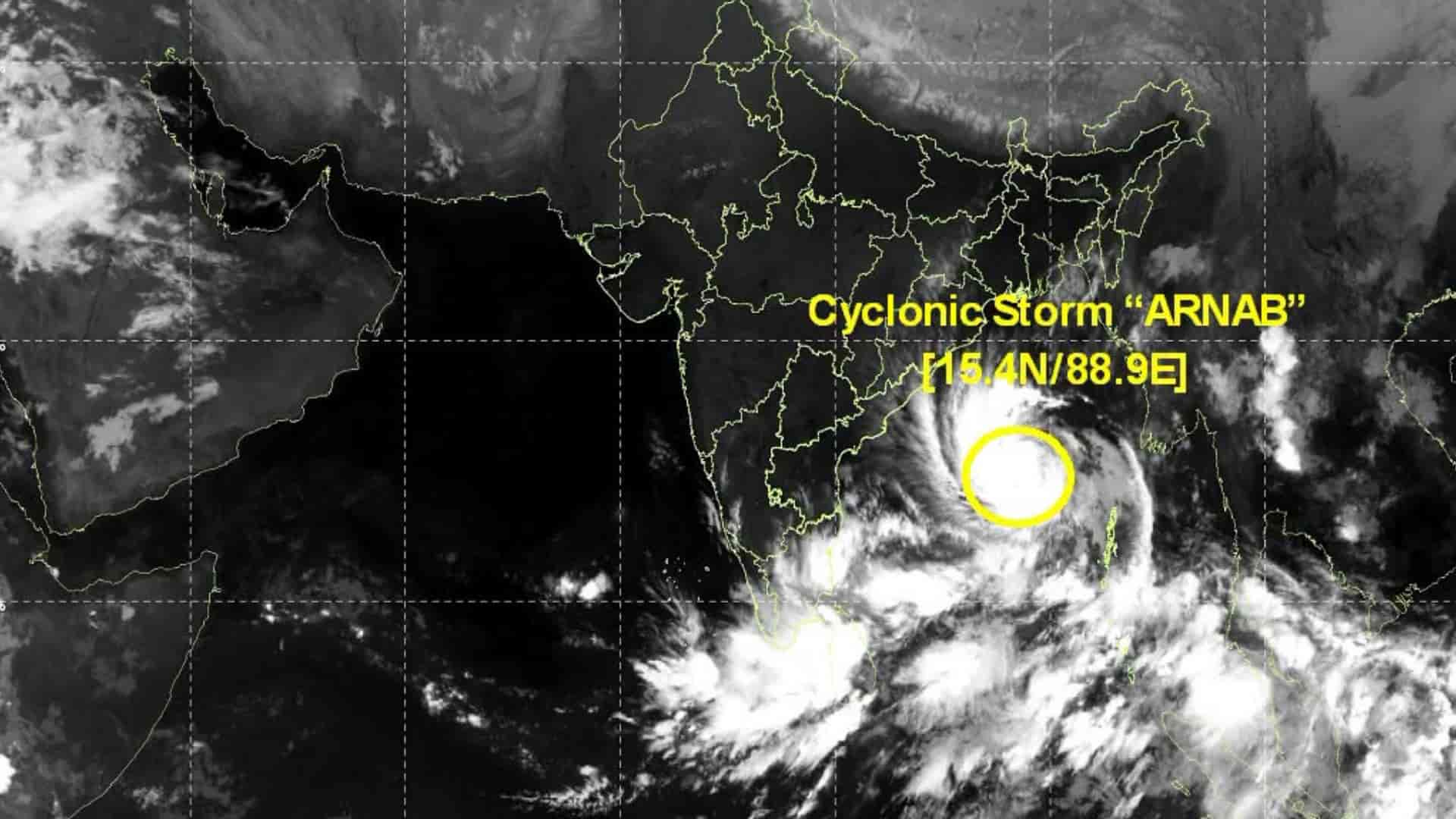
Cyclone Arnab threatens Nepal with widespread rainfall from Thursday
Nepal is likely to experience widespread rainfall from Thursday as Cyclone Arnab, developing...