What we do is costly! Your support will help us dig more stories.
Yes, I'm Interested!Ignorance isn't always bliss | Don't stay foolish.
Keep informed | Read our news and analysis.
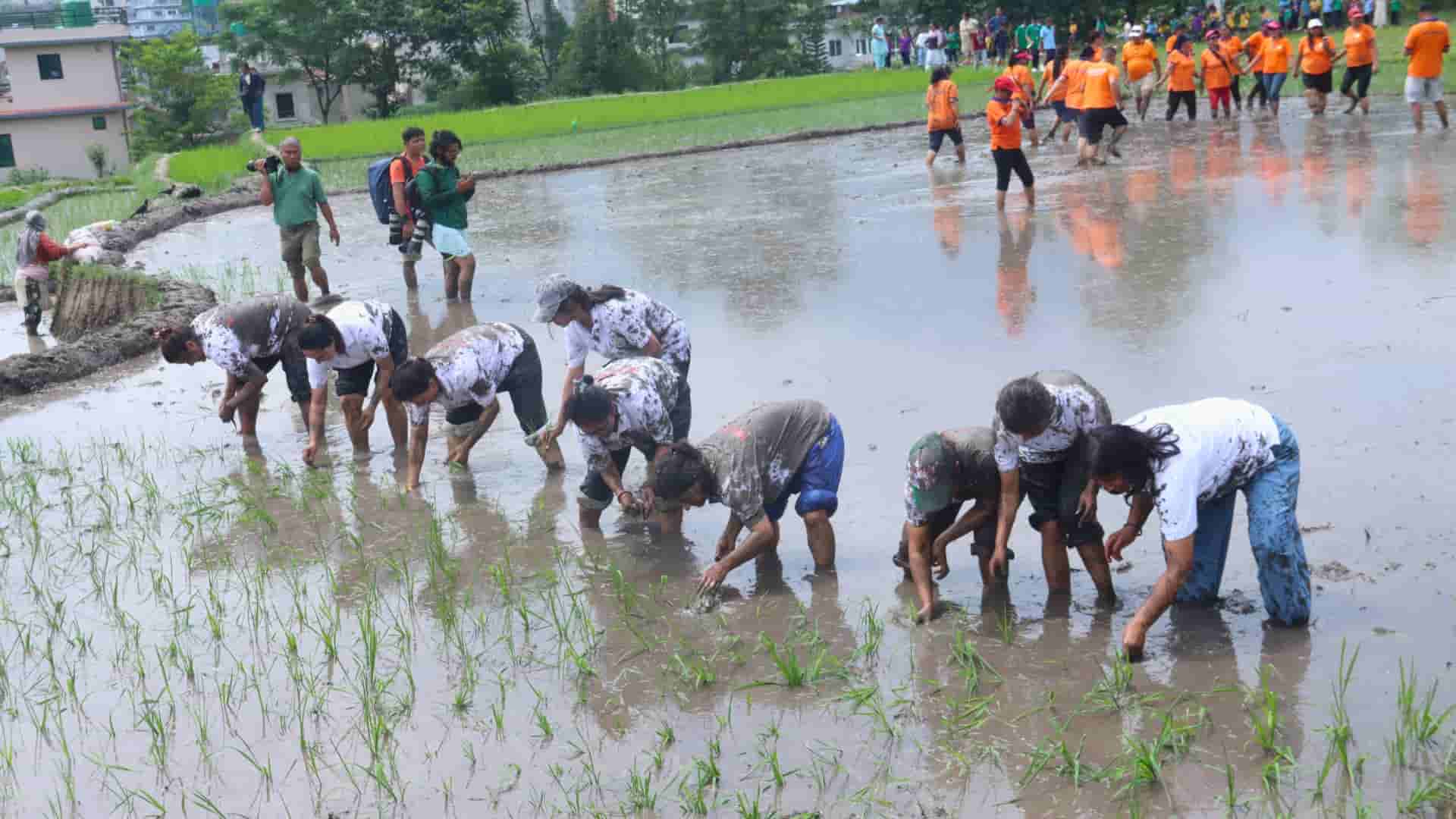
Nepal marked National Paddy Day on Monday with the traditional practice of planting rice seedlings in muddy fields and enjoying beaten rice with yogurt. However, this year's celebrations were overshadowed by a slow start to the planting season, as inadequate rainfall delayed rice transplantation across the country.
According to the Department of Agriculture, only 11.3% of Nepal's paddy fields had been transplanted by June 26 (Ashadh 12), compared with 15.6% during the same period last year. The slow progress has been attributed to weak monsoon activity and limited irrigation infrastructure, leaving many farmers dependent on rainfall.
Nepal has 1.38 million hectares of land under rice cultivation, but only 156,583 hectares have been planted so far.
Among the provinces, Karnali recorded the highest transplantation rate at 22.6%, followed by Lumbini at 20.9%. Gandaki and Bagmati reported around 12.6% transplantation, while Sudurpashchim stood at 9.3%.
Koshi and Madhesh recorded the slowest progress. Koshi completed 8.3% of transplantation, down from 14.25% during the same period last year. Madhesh, Nepal's largest rice-producing province, reported just 5% transplantation, with 19,158 hectares planted out of its total 383,150 hectares of paddy land.
The department estimates that around 65% of the country’s 4.1 million farming households cultivate rice. It is estimated the crop contributes over NRs 150 billion annually to the country’s gross domestic product.
The slow progress is attributed to weak monsoon activity and limited irrigation facilities, which force many farmers to rely on rainfall.
Read More Stories
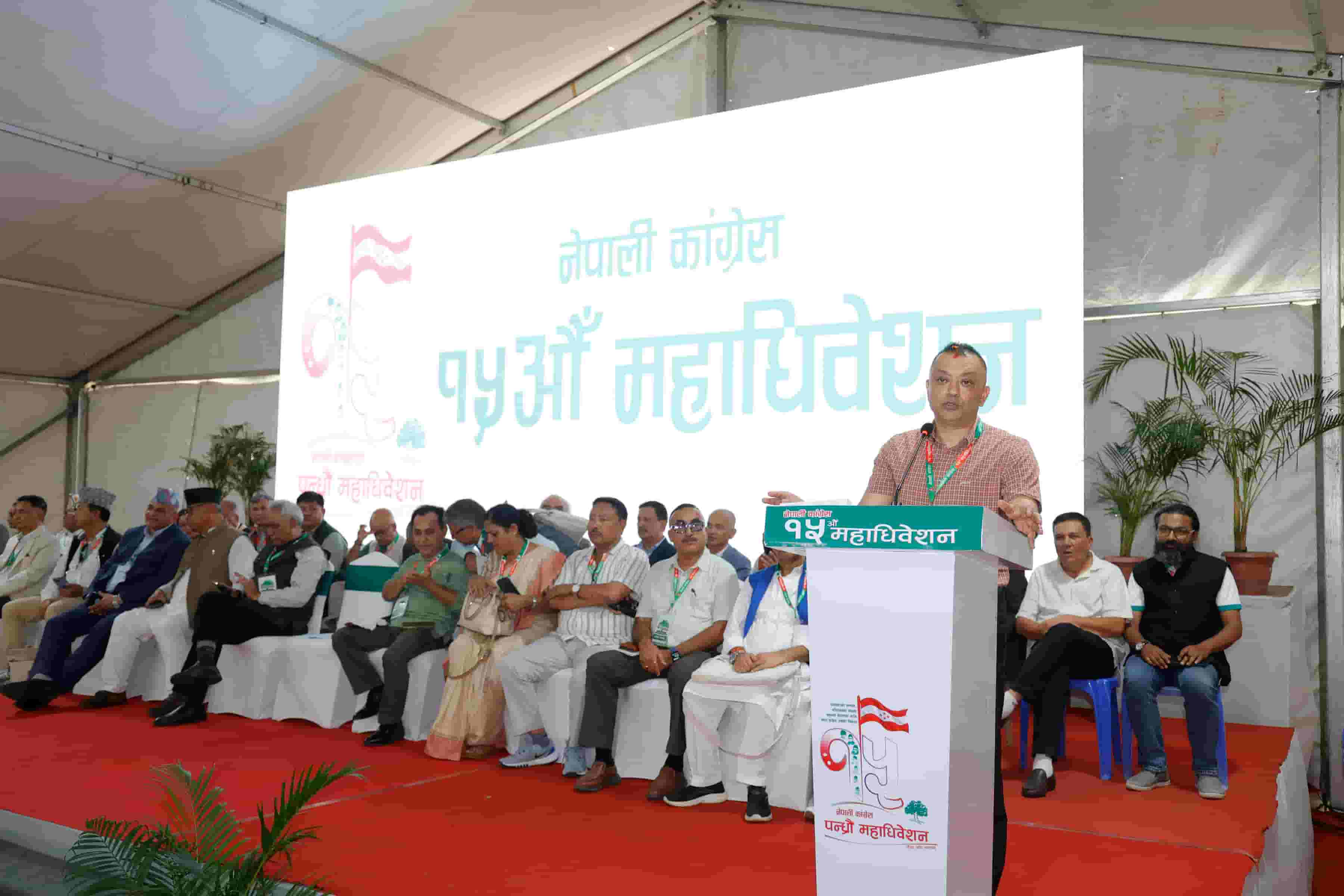
Inside Nepali Congress’s 15th General Convention
The Nepali Congress began debating its political and organisational direction for the next...

NEPSE continues downtrend, sheds another 20 points, turnover drops to NRs 3.27 billion
The stock market extended its decline on Monday, with the Nepal Stock Exchange...
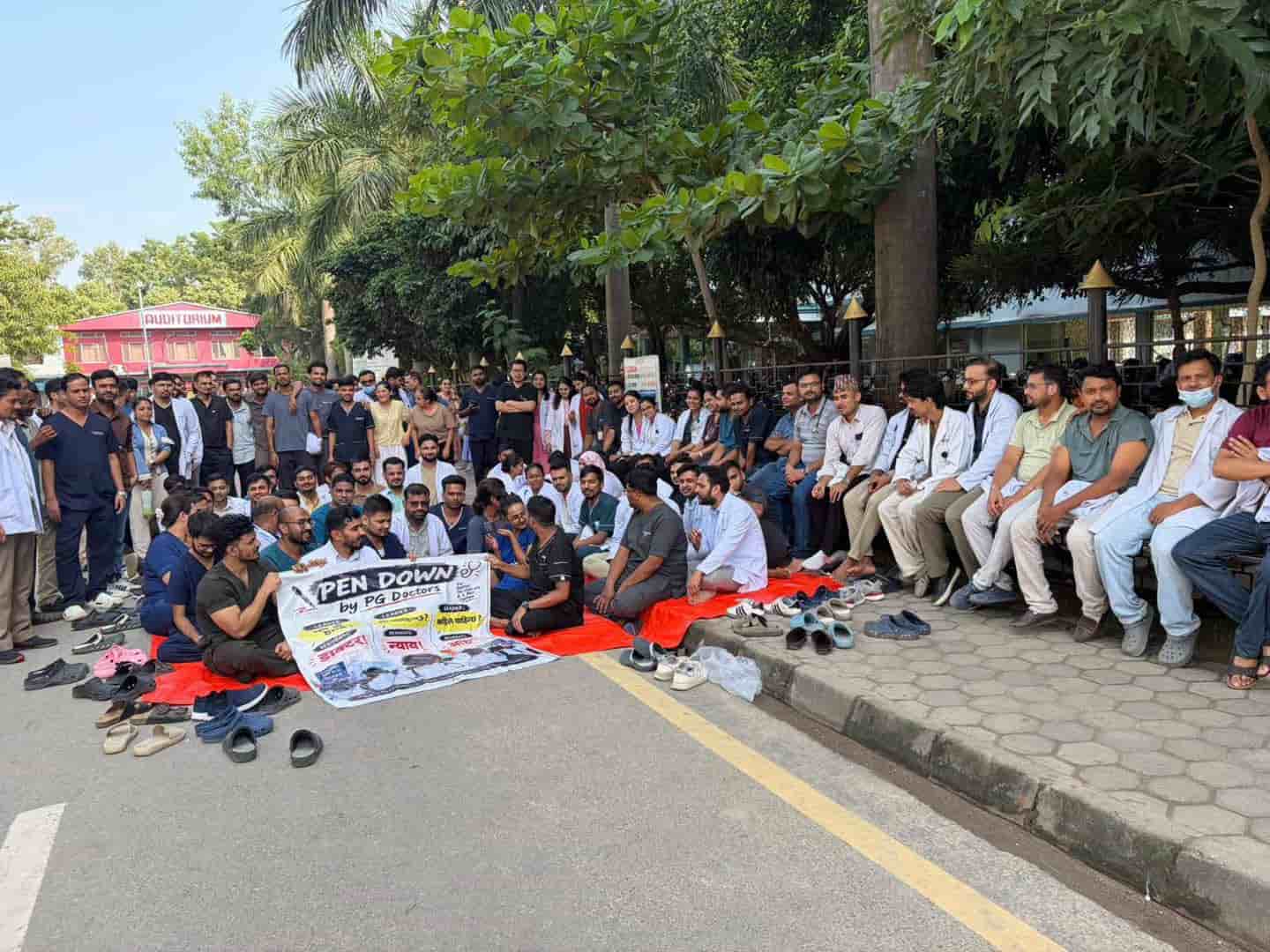
National Medical College residents’ protest widens into scrutiny of PG programme
A dispute between postgraduate resident doctors and the administration of National Medical College...