What we do is costly! Your support will help us dig more stories.
Yes, I'm Interested!Ignorance isn't always bliss | Don't stay foolish.
Keep informed | Read our news and analysis.
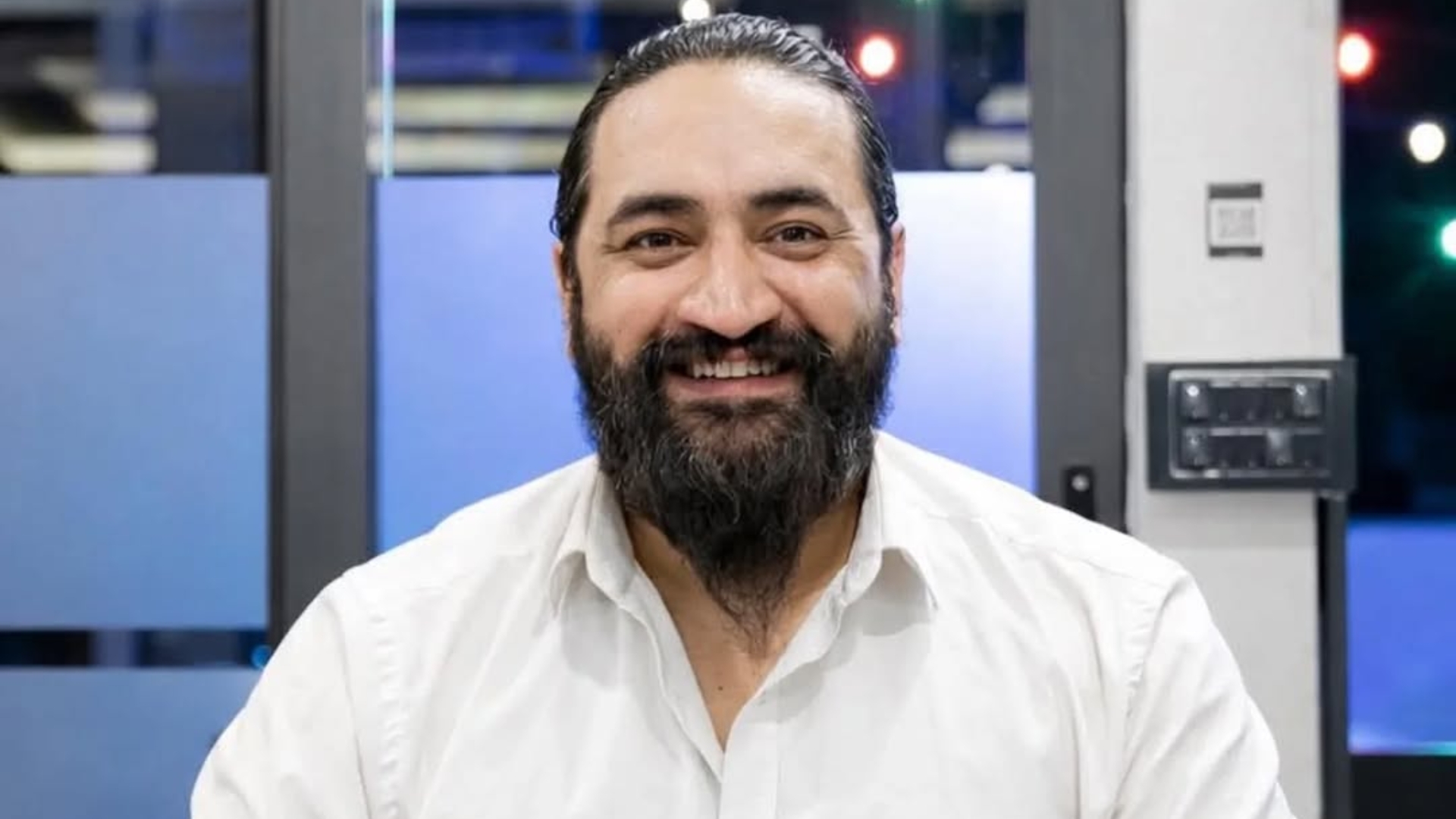
Dr Niranjan Koirala, 40, is contesting the upcoming House of Representatives election as an independent candidate from Kaski–2, positioning his campaign around one central premise: policymaking must be guided by scientific thinking, evidence, and data-driven decision-making.
Dr Koirala holds a PhD in Biochemistry (Biochemical/Pharmaceutical Engineering) from Sun Moon University in South Korea. His professional trajectory has been rooted in industrial biotechnology, natural product chemistry, and biochemical engineering.
His career includes postdoctoral research appointments in Macau and Mexico, as well as provincial research roles at the Gandaki Province Academy of Science and Technology. He is currently a researcher at the Nepal Academy of Science and Technology (NAST), and previously served as a senior lecturer at Nobel College under Pokhara University.
He is the founding president and director of research at the Dr Koirala Research Institute for Biotechnology and Biodiversity (Dr KRIBB), focused on advancing biotechnology and biodiversity research. Alongside his academic engagements, he provides consultancy services to multiple private-sector organisations.
Dr Koirala has published over 75 research articles with nearly 5,000 global citations and is recognised among the top 2% of scientists in Nepal. His awards include the Nepal Bidhya Bhushan “A” Medal (2016), the Science and Technology Youth Prize (2022), the Dean’s Choice Award from Sun Moon University, the Best PhD Thesis Gold Medal Award, and the BRICPL Young Scientist Award.
First-time parliamentary candidate Dr Koirala has no prior elected office, legislative or political experience.
Policy and legislative agenda
Dr Koirala argues that despite a generational mandate for change by the September protests, political actors continue to recycle personalities without reforming what he describes as an unscientific and directionless leadership and education system.
His policy platform centres on embedding scientific methods into national development. He calls for systematic mapping of natural resources, modernisation of agriculture through mechanisation and organic inputs, and bio-economy–based industrialisation.
He also advocates early integration of advanced technologies, including coding, artificial intelligence, and space science, into school curricula to build a future-ready workforce.
At the governance level, he proposes scientifically grounded constitutional amendments and legal reforms to strengthen transparency, accountability, and evidence-based standards. He has also emphasised the need for greater representation of experts and scientists in Parliament.
Sidebar
Top priority if elected
Major concern
Goals for the term
Read More Stories

Nepal needs to repeat to brand itself
Last year Nepal's goods exports jumped 81.8% to NRs 277.03 billion. That is...

Banking stocks gain momentum as dividend season begins
Dividend announcements by banks and financial institutions (BFIs) for fiscal year 2025/26 have...

Nepal’s challenge of building strong democratic institutions
Over the past few decades, institutional dysfunction and massive dissatisfaction with political establishments...