What we do is costly! Your support will help us dig more stories.
Yes, I'm Interested!Ignorance isn't always bliss | Don't stay foolish.
Keep informed | Read our news and analysis.
On April 5, the government approved a $185 million loan package from the World Bank for two projects aimed at expanding digital public infrastructure and improving access to finance for small businesses. The cabinet approvals come as routine decisions, following board clearances from both multilateral banks earlier this year.
One of the projects is the Digital Nepal project, which has a total cost of $90 million. Of this, the World Bank has committed $50 million, while the Asian Development Bank (ADB) would provide the remaining $40 million as co-financing under a joint framework.
The project seeks to build a national digital public infrastructure and expand online public services, enabling citizens and businesses to access services through the Nagarik app, an integrated digital portal. It will also strengthen systems such as national identity, data exchange, and social protection databases.
The loan will be invested in upgrading different digital components:
The initiative will develop shared digital platforms across government agencies, including an integrated online and mobile service portal, a national identity system, a government-wide data exchange, and an integrated social protection system.
It also includes plans to strengthen data governance and cybersecurity through updated legal frameworks, including laws on data protection, electronic transactions, and national identity, along with policies on data hosting and cloud infrastructure.
Another project, a separate $95 million financing, is the ‘Sustainable and Inclusive Finance’ package from the World Bank, which will support reforms in credit infrastructure to improve access to finance for micro, small, and medium enterprises.
The project aims to strengthen the Deposit and Credit Guarantee Fund (DCGF) and modernise the Credit Information Center Limited, to expand credit guarantee coverage, improve risk management, and introduce new de-risking financial products, while upgrading credit information systems by integrating alternative data sources and enhancing data security and accuracy.
The loan will be invested in the following components:
The World Bank’s board approved both projects in January and February, while ADB’s board approved the $40 million financing in early March.
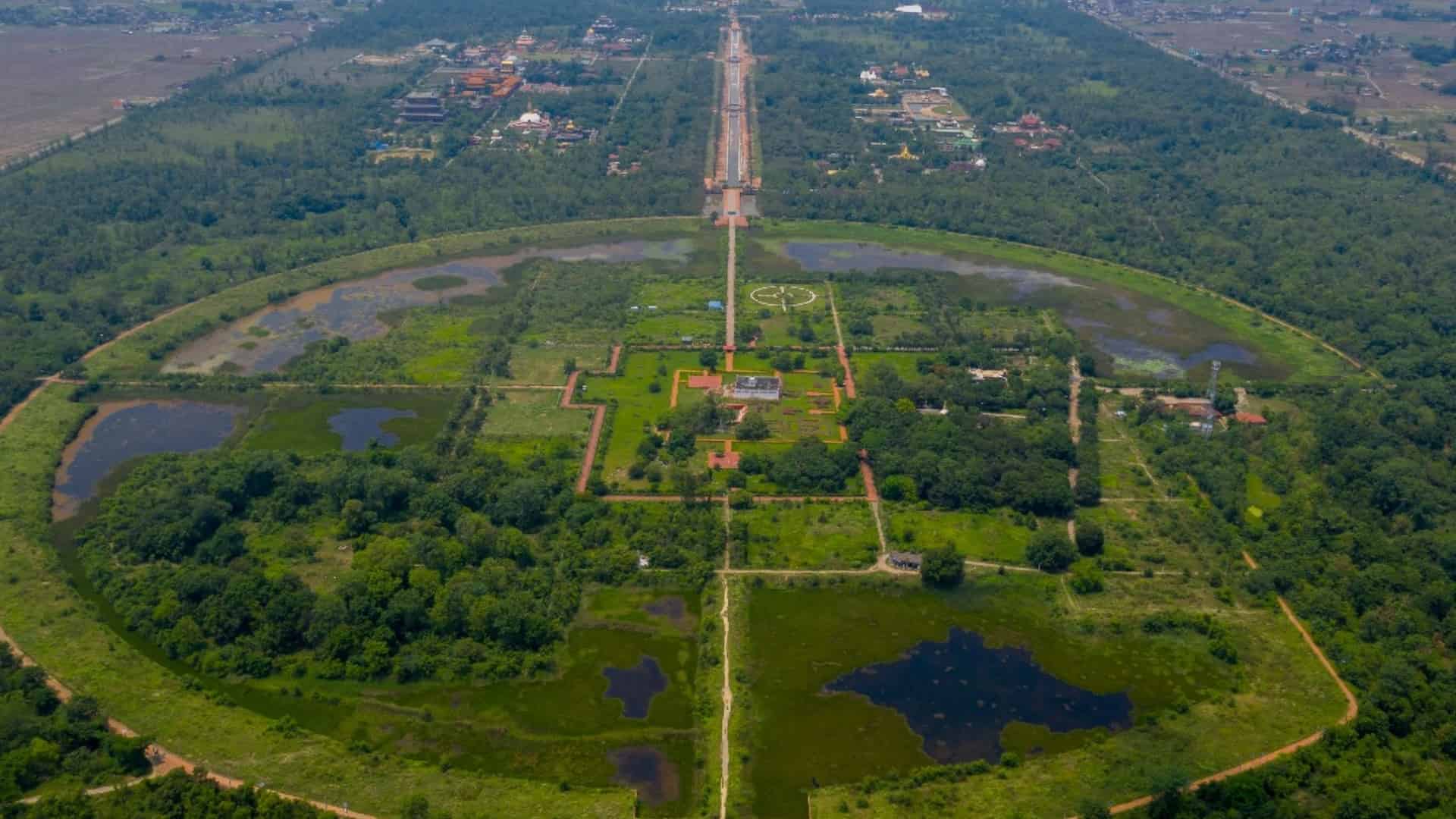
Similarly, the government on April 7 approved a loan of $85 million for the Greater Lumbini Area Development Project, which the World Bank had approved on March 13.
Bishnu Paudel, former Finance Minister had submitted the proposal for the Greater Lumbini Project last year, aiming to develop Lumbini as a central hub alongside Kapilvastu, Rupandehi, and West Nawalparasi.
The project aims to transform the Greater Lumbini Buddhist Circuit into a more integrated and sustainable cultural tourism destination. Despite Lumbini’s status as the birthplace of the Buddha and a UNESCO World Heritage Site, tourism in the region remains short-duration and low-spending, with most visitors limiting their stay to a few hours.
It will focus on four priority locations: the Lumbini Master Plan Area, Tilaurakot, Devdaha, and Ramgram, sites linked to the life of the Buddha and identified for their cultural and tourism potential.
The loan amount will be mobilised in the following components:
The project will be carried out through the Ministry of Urban Development and the Ministry of Tourism, with engagements from four municipalities, the Lumbini Cultural Municipality, Devdaha, Ramgram, and Kapilvastu Municipality, the Department of Archaeology, the Lumbini Development Trust, and the Nepal Tourism Board.
Planned developments include roads, drainage systems, bus parks, electrification, meditation centers for pilgrims, rest areas, cafes, information centers, and outlets for local products. These improvements aim to enhance tourist experiences and promote the region’s destinations.
Earlier, on March 11, the World Bank had also approved a separate $52 million financing for the Nepal Clean Air for Prosperity project, which focuses on reducing air pollution by supporting cleaner production technologies in industries and strengthening air quality monitoring and regulatory systems. An additional $5 million was approved for the project as a grant under the World Bank’s Resilient Asia Program.
All these loans are International Development Association (IDA) credits, which are typically concessional in nature and have long maturities including some grace period.
However, with the approval of these recent loans, debate over the country’s rising debt has resurfaced, raising questions about who bears the costs and responsibility for the debt, and highlighting the need for closer scrutiny. As of mid-March, the country’s public debt is NRs 28.78 trillion, equivalent to 47.13% of the GDP. A quarter of the total debt is external debt.
However, these loans were initiated by the previous administration and were already in the final stages prior to the start of implementation, which the current government simply gave continuum to.
Read More Stories

Nepal needs to repeat to brand itself
Last year Nepal's goods exports jumped 81.8% to NRs 277.03 billion. That is...

Banking stocks gain momentum as dividend season begins
Dividend announcements by banks and financial institutions (BFIs) for fiscal year 2025/26 have...

Nepal’s challenge of building strong democratic institutions
Over the past few decades, institutional dysfunction and massive dissatisfaction with political establishments...